


Managing PCOS feels overwhelming, especially when you’re juggling urban life in cities like Mumbai, Delhi, or Bengaluru. If you’re among the 1 in 5 Indian women dealing with irregular periods, stubborn weight gain, and hormonal imbalance, you’re not alone. The good news? Your PCOS diet plan can become your most powerful weapon against these symptoms.
This guide is for Indian women with PCOS who want practical, culturally-relevant solutions that fit their lifestyle. Whether you’re looking for a complete 7-day PCOS diet chart or wondering which Indian foods actually help control PCOS symptoms, we’ve got you covered.
You’ll discover how to create an effective PCOS weight loss diet using familiar Indian ingredients, learn about powerful Indian superfoods that combat PCOS naturally, and get a realistic meal planning approach that works with your daily routine. We’ll also cover which foods are sabotaging your progress and how simple lifestyle tweaks can amplify your diet results.
Your kitchen already has most of what you need to manage PCOS – you just need the right roadmap to use these foods strategically for hormone balance and symptom relief.
Understanding PCOS and Its Impact on Urban Indian Women
What happens to your body during PCOS

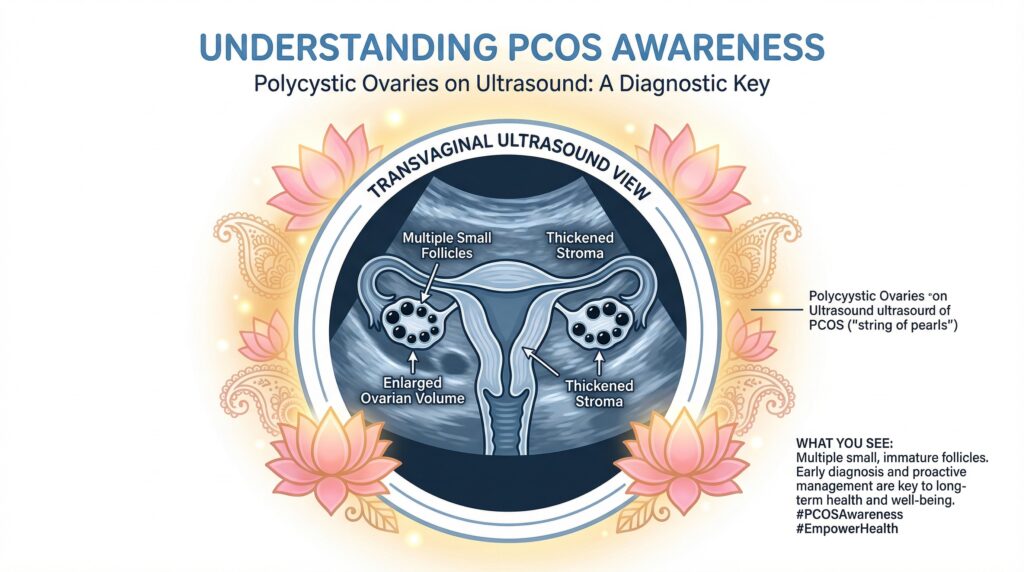
When you have PCOS, your body experiences significant hormonal disruptions that affect multiple systems. Your ovaries develop polycystic morphology, while hyperandrogenism creates elevated male hormone levels that impact your menstrual cycle and overall health.
Rising prevalence rates in urban India
PCOS prevalence in India varies significantly based on diagnostic criteria, affecting approximately 7.2% to 19.6% of women aged 18-40 years. You’re more likely to develop PCOS if you live in urban areas compared to rural regions, with Central and North India showing the highest rates among urban Indian women.
How lifestyle and diet contribute to hormonal imbalance
Your urban lifestyle directly contributes to PCOS development and severity. As an urban Indian woman with PCOS, you face significantly higher risks of metabolic complications including obesity (43.2%), dyslipidemia (91.9%), and metabolic syndrome (24.9%), all closely linked to dietary patterns and sedentary urban living habits.
Why Diet is Your Most Powerful Tool Against PCOS
How food influences hormone balance
Your dietary choices directly impact your body’s hormone production and insulin response. When you have PCOS, your body often struggles with insulin resistance, affecting 50% to 75% of women with this condition. Insulin acts like a key that opens cells to let glucose in for energy, but with insulin resistance, this process becomes inefficient, causing glucose to build up in your bloodstream and fat cells.
Benefits of following a PCOS-friendly Indian diet
Following a well-balanced PCOS diet helps you manage systemic inflammation that’s commonly associated with the condition. By incorporating whole, unprocessed foods and eliminating inflammatory items like refined sugars and saturated fats, you can improve your insulin sensitivity and reduce your risk of developing diabetes and cardiovascular disease while maintaining stable blood sugar levels.
Expected timeline for seeing dietary improvements
You can expect to see improvements in your PCOS symptoms when you consistently follow dietary changes combined with regular physical activity and proper sleep. While individual results vary, maintaining stable blood sugar through smaller, more frequent meals every four hours and choosing low-glycemic carbohydrates helps minimize the hormonal fluctuations that worsen PCOS symptoms over time.
Complete 7-Day PCOS Diet Chart for Indian Women
Morning rituals with healing waters and seeds
Your day should begin with detoxifying green juice made from mint, bottle gourd, cucumber, lemon, and ginger on an empty stomach. This antioxidant-rich drink helps reduce inflammation and PCOS symptoms effectively. Follow this with a glass of warm water containing cinnamon powder, which improves antioxidant status and lipid profile while reducing insulin resistance.
Balanced breakfast options using Indian ingredients
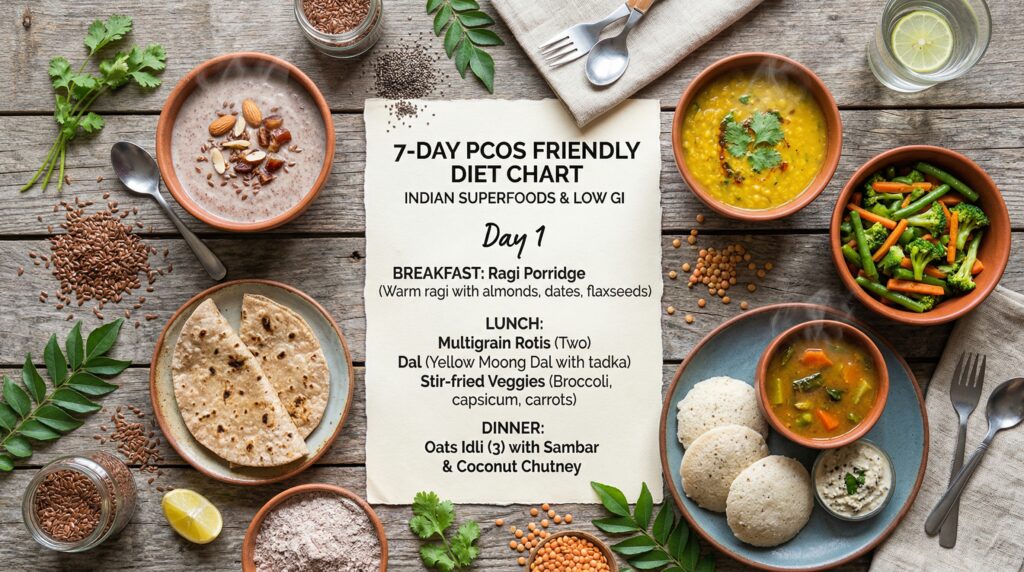
Your breakfast choices should focus on complex carbohydrates and lean proteins. Options include ragi porridge with boiled egg, nachani dosa with green chutney, daliya upma with vegetables, or oats porridge with fruit toppings. You can also enjoy 2 idlis with sambar, besan cheela with chutney, or methi paratha. These Indian breakfast options provide sustained energy while maintaining optimal blood sugar levels throughout your morning.
Smart snacking strategies throughout the day
Your mid-morning and evening snacks should include nutrient-dense options like 8 halves of walnuts, cut fruits with pumpkin and sunflower seeds, or green gram sprouts. You can enjoy vegetable smoothies, roasted tomato soup with boiled egg, or a cup of chana masala. For afternoon snacking, opt for sprouts bhel, boiled black chana, or plain yogurt with grilled vegetables to maintain steady insulin levels.
Nutritious lunch and dinner combinations
Your main meals should combine brown rice or multigrain rotis with protein-rich dal, lean chicken, fish, paneer, or egg curry. Include high-fiber vegetables like palak sabji, bottle gourd, ladies finger, or mixed vegetable curry. Complete your meals with cucumber salad, vegetable raita, or buttermilk. For dinner, lighter options like vegetable soup with grilled protein or broken wheat khichdi with green beans work excellently for PCOS management.
Indian Superfoods That Combat PCOS Symptoms
Flaxseeds for Reducing Androgen Excess
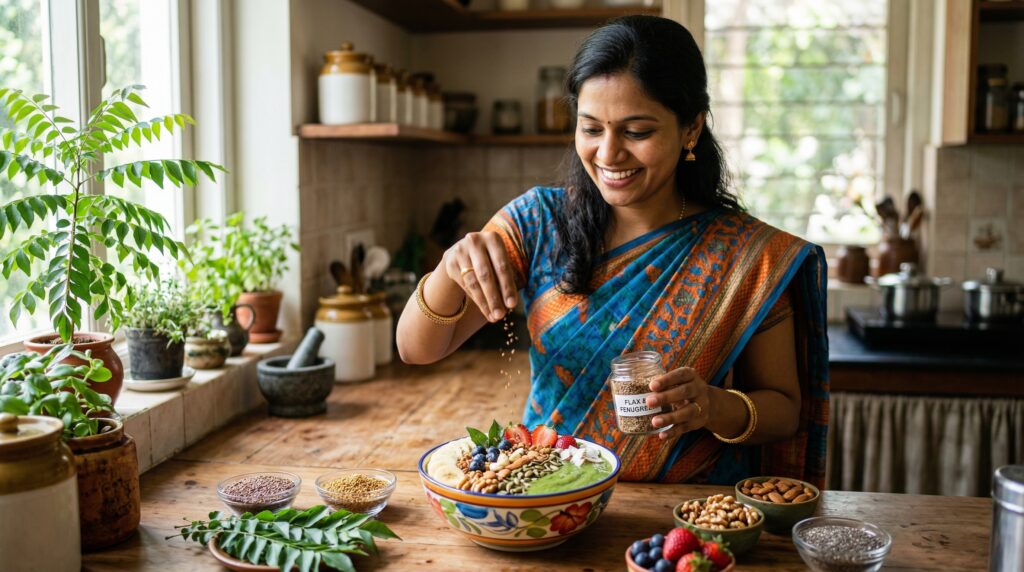
Flaxseeds are a powerhouse superfood that can significantly help manage your PCOS symptoms by targeting excess androgen production. Rich in omega-3 fatty acids, these tiny seeds work to reduce inflammation and improve insulin sensitivity – two critical factors in PCOS management. You can easily incorporate flaxseeds into your daily routine by adding them to smoothies, sprinkling them on fruits, or including them in your vegetable bowl as nutritious toppings.
Curry Leaves and Fenugreek for Insulin Support
Your PCOS diet should include curry leaves and fenugreek as these traditional Indian herbs offer remarkable insulin support. These functional foods are packed with antioxidants and anti-inflammatory properties that help regulate your blood sugar levels and improve insulin resistance. You can use curry leaves in your daily cooking or prepare fenugreek-infused dishes to naturally enhance your body’s insulin sensitivity and manage PCOS symptoms more effectively.
Foods to Eliminate from Your PCOS Diet
Sugar-laden desserts and beverages to avoid
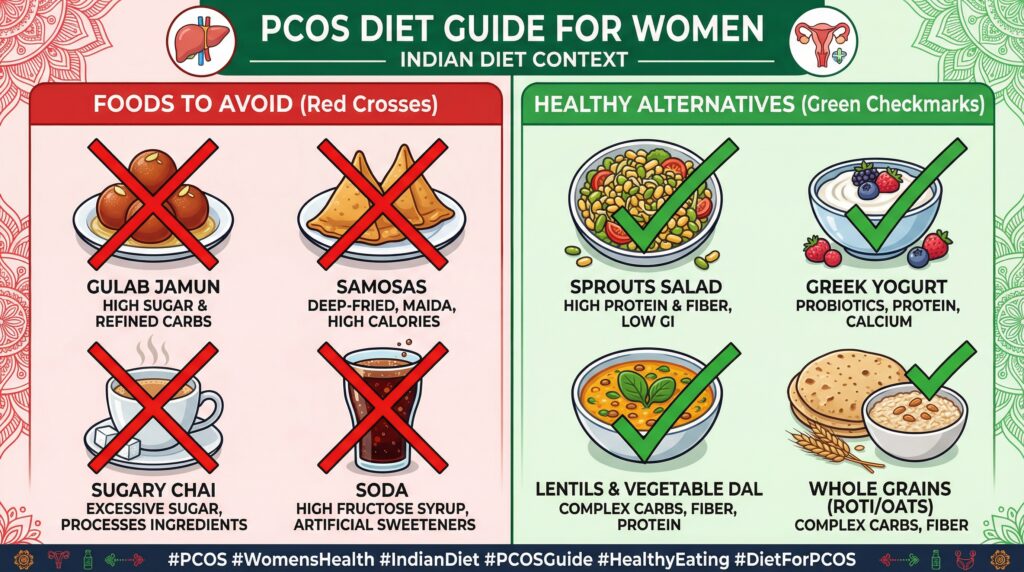
Now that we’ve covered beneficial foods, let’s focus on what needs elimination. Traditional Indian sweets like gulab jamun, rasgulla, and ladoos are sugar bombs that spike your blood sugar levels dramatically. Beverages like soda, cold-pressed juices, bottled smoothies, and even your morning chai with excessive sugar worsen PCOS symptoms by triggering insulin resistance.
Processed and fried foods that worsen symptoms
Processed snacks including packaged cookies, cakes, and granola bars contain trans fats that increase inflammation in your body. Fried foods such as samosas, pakoras, French fries, and fried chicken disrupt hormonal balance. Previously, these foods might have been comfort choices, but they directly contribute to insulin resistance and weight gain associated with PCOS management challenges.
Meal Planning for Different Dietary Preferences
Vegetarian protein sources and meal combinations
Your vegetarian PCOS meal plan should include diverse protein sources like lentils, chickpeas, tofu, Greek yogurt, and paneer. Combine moong dal with brown rice and vegetables, or create quinoa bowls with roasted chickpeas and tahini dressing. These combinations provide complete amino acid profiles while maintaining stable blood sugar levels.
Non-vegetarian options for balanced nutrition
Non-vegetarian options offer excellent protein sources including fatty fish like salmon and mackerel twice weekly for omega-3 benefits. Lean chicken breast, turkey, and eggs provide high-quality protein that helps regulate insulin levels. You can pair grilled fish with steamed vegetables or create chicken stir-fries with colorful anti-inflammatory vegetables for optimal PCOS management.
Lifestyle Changes That Amplify Your Diet Results

Exercise routines that support hormonal balance
Moving beyond dietary changes for PCOS management, incorporating regular exercise becomes crucial for supporting hormonal balance and reducing insulin resistance. Low-impact activities like yoga, swimming, or walking effectively reduce stress and inflammation while being gentle on your body. Strength training exercises help build muscle mass, which improves your insulin sensitivity and boosts metabolism, making it easier to manage PCOS symptoms naturally.
Sleep and hydration habits for PCOS management
Quality sleep plays a critical role in managing your PCOS symptoms by directly impacting hormone regulation, including insulin, cortisol, and reproductive hormones. Aim for 7-9 hours of consistent sleep each night by maintaining regular bedtimes and creating a relaxing nighttime routine with activities like reading or warm baths. Avoid screens before bed as blue light disrupts melatonin production, making it harder for you to fall asleep and achieve the restorative rest your body needs.
Stress reduction techniques for better outcomes

Managing stress becomes essential for amplifying your PCOS diet results, as elevated cortisol levels can worsen symptoms like irregular periods and weight gain. Practice mindfulness through just 10 minutes of daily meditation to lower cortisol levels, while incorporating breathwork or yoga brings relaxation into your day and promotes hormone support. Setting healthy boundaries by saying no to energy-draining activities and making time for enjoyable pursuits helps create a sustainable stress management routine.
Smart Eating Patterns for PCOS Control
Optimal meal timing and frequency
Your meal frequency directly impacts PCOS symptom management through blood sugar regulation and hormone balance. Eating three consistent meals per day, spaced every 3-5 hours, helps prevent the erratic eating patterns that disrupt your blood sugar and worsen PCOS symptoms. This regular eating schedule supports stable energy levels, improved mood, better digestion, and reduced cortisol stress responses that can amplify your PCOS symptoms.
Preventing insulin spikes through regular eating
Consistent meal timing prevents the dramatic blood sugar fluctuations that trigger insulin spikes in women with PCOS. When you skip meals or go long periods without eating, your body experiences energy depletion stress, leading to overeating and subsequent insulin surges. Eating every 3-4 hours maintains steady blood glucose levels, reducing the insulin resistance that makes PCOS symptoms worse and weight management more challenging for urban Indian women.
Importance of never skipping breakfast
Breakfast serves as your most powerful meal for PCOS management, as research shows women who eat their largest meal at breakfast experience 54% decreased insulin resistance and 50% reduced free testosterone levels. After your overnight fast, breakfast jumpstarts your metabolism, stimulates proper digestion, and sets stable energy patterns for your entire day. Including protein and fiber in your morning meal improves insulin sensitivity while keeping you satisfied longer, making it essential for your PCOS diet plan success.
Supplement Support for Enhanced PCOS Management
Essential supplements for insulin and hormone balance
Previously, we’ve explored dietary strategies for PCOS management. Now that we have covered nutritional foundations, specific supplements can provide targeted support for your hormonal balance. Research shows that inositols, alpha-lipoic acid, and chromium picolinate are particularly effective for addressing insulin resistance in PCOS. These nutrients work synergistically to improve glucose metabolism and hormone regulation.
Addressing common nutrient deficiencies in Indian women
With this in mind, addressing deficiencies becomes crucial since women with PCOS commonly lack essential vitamins B-12, D, E, K, and folate. Your body also benefits from minerals like calcium, zinc, and selenium, plus omega-3 fatty acids, probiotics, and melatonin for comprehensive symptom management.
When professional guidance is necessary for supplementation
Given the complexity of nutrient interactions and individual needs, professional guidance ensures safe dosing and prevents potential complications. Your healthcare provider can assess deficiencies through proper testing and recommend appropriate timing and combinations for optimal results.
Recognizing When Professional Help is Essential
Warning signs that require gynecological consultation
You should seek professional help when PCOS symptoms significantly impact your daily life, particularly when experiencing irregular periods lasting longer than 35 days, excessive hair growth on face and body, severe acne that doesn’t respond to over-the-counter treatments, or sudden weight gain. Additionally, if you’re struggling with fertility issues or experiencing symptoms of depression and anxiety related to your condition, immediate consultation with a gynecologist becomes essential.
Benefits of personalized PCOS diet planning
Working with healthcare professionals allows you to receive treatment options tailored to your specific concerns and priorities, whether you want to become pregnant, control weight gain, or regulate menstrual cycles. A multidisciplinary team including gynecologists, endocrinologists, and dietitians can provide comprehensive care that addresses not just your reproductive health but your overall well-being, ensuring your PCOS management plan aligns with your individual goals.
What to expect during professional PCOS treatment
Your treatment journey begins with a comprehensive evaluation including detailed discussions about your symptoms and how they impact your life. Healthcare providers will conduct pelvic examinations, blood tests to check hormone levels, blood sugar, and cholesterol, plus transvaginal ultrasounds to examine your ovaries. Based on your individual goals, treatment may include lifestyle counseling with dietitians, hormonal medications, and fertility treatments if needed.
Managing PCOS through diet isn’t just about following a meal plan – it’s about reclaiming control over your health and hormones. The comprehensive 7-day diet chart, Indian superfoods like flaxseeds and fenugreek, and smart eating patterns outlined in this guide provide you with practical tools to combat insulin resistance, balance your hormones, and improve your overall well-being. When you combine these dietary strategies with lifestyle changes like regular exercise, adequate sleep, and stress management, you create a powerful foundation for PCOS management that goes beyond temporary fixes.
Remember, every woman’s PCOS journey is unique, and what works for others may need adjustments for your specific needs. While this Indian diet approach can significantly improve your symptoms within 8-12 weeks, don’t hesitate to seek professional guidance when you experience severe symptoms like unexplained weight gain, irregular periods, or persistent fatigue. Your kitchen already contains the ingredients for healing – now you have the roadmap to use them effectively. Start with small, consistent changes today, and give your body the nutrition it needs to thrive despite PCOS.
About the Author