


Cold showers, intermittent fasting, and dopamine detox have exploded across social media as quick fixes for everything from motivation to mental clarity. You’ve probably seen influencers claiming these practices can “reset” your brain chemistry and supercharge your productivity.
But here’s the reality: most of what you’re hearing is scientifically questionable at best.
This guide is for anyone curious about these wellness trends who wants to separate fact from fiction. We’ll examine what dopamine detox actually means (spoiler: it’s not what most people think), explore the real evidence behind cold shower benefits and intermittent fasting benefits, and reveal what actually works for supporting healthy brain function.
You’ll discover the truth about dopamine and your brain, learn which claimed benefits have scientific backing, and find out when these practices might actually be harmful. Most importantly, we’ll share evidence-based dopamine support methods that can genuinely improve your mental health without the hype.
Ready to cut through the noise and find out what really works for your brain and body?
Understanding Dopamine Detox and Its Scientific Reality

What dopamine detox claims to do versus actual science
Dopamine detox claims suggest that abstaining from pleasurable activities like social media, gaming, or eating sugary foods will “reset” your dopamine levels and reduce tolerance to stimulation. However, the scientific reality tells a different story. Your dopamine system involves at least five major pathways and five major receptor types, making it far more complex than simply “lowering dopamine.” Scientists emphasize that dopamine regulation is a continuous, natural process, and there’s no evidence that behavioral abstinence can actually reset your brain’s dopamine system.
Why the concept is fundamentally flawed but still popular
The dopamine detox concept is fundamentally flawed because you can’t actually detox from dopamine – this neurotransmitter is essential for movement, motivation, and basic brain function. As researchers point out, the idea of “lowering your dopamine” is essentially meaningless given the system’s complexity. Yet the practice remains popular because it builds on familiar experiences of fasting and abstinence that have existed in religious traditions for millennia, giving it an appealing sense of legitimacy despite lacking scientific precision.
Origins from Reddit to mainstream wellness trends
The dopamine detox trend emerged in the late 2010s, evolving from online communities to mainstream wellness culture. While psychologist Cameron Sepah originally framed “dopamine fasting” as a cognitive behavioral therapy technique for reducing compulsive behaviors rather than actually affecting dopamine levels, the popularization of the term has spawned countless podcasts, books, and supplements promising to “optimize dopamine.” This transformation from a specific therapeutic approach to a broad wellness trend has frustrated scientists who study dopamine, as it misrepresents how this crucial neurotransmitter actually works.
The Truth About Dopamine and Your Brain
Dopamine’s real role beyond the “feel-good” chemical myth
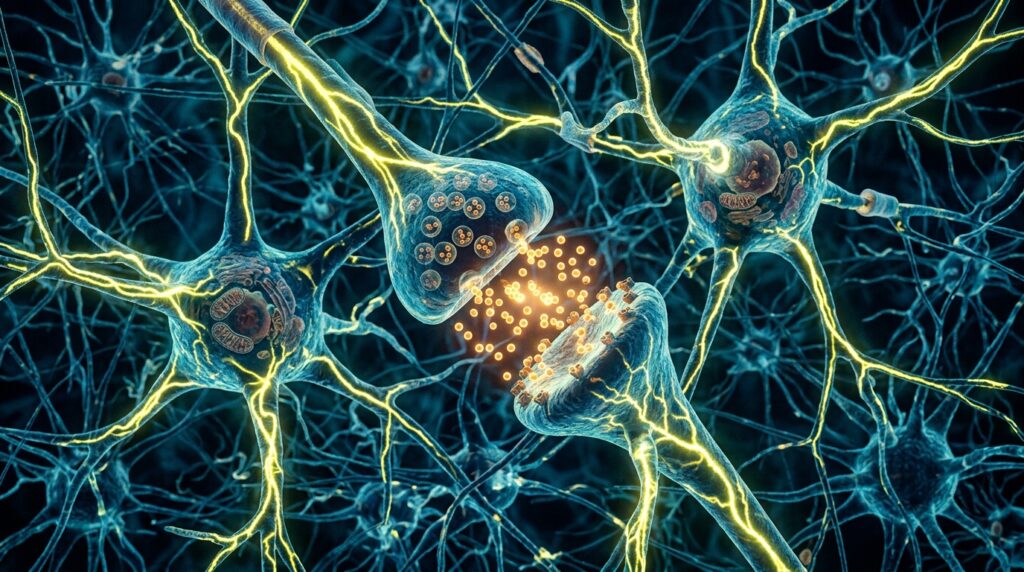
Dopamine functions far more complexly than the oversimplified “feel-good” neurotransmitter narrative suggests. Research reveals that dopamine primarily influences motivation, movement, and reinforcement of behavior rather than simply creating pleasure. When your brain releases dopamine in regions like the striatum, it doesn’t necessarily make neurons more active but extends their activity duration, potentially supporting learning processes and behavioral reinforcement mechanisms.
Why you can’t actually detox from naturally occurring dopamine
Your brain naturally produces dopamine in the midbrain through specialized neurons that connect to the striatum, making it impossible to “detox” from this essential neurotransmitter. Dopamine operates as a crucial communication molecule between neurons, facilitating short-distance neural communication throughout your brain. Understanding dopamine’s fundamental role in basic brain function reveals why elimination-based approaches to dopamine regulation fundamentally misunderstand how your nervous system operates.
How dopamine regulates motivation, movement, memory, and energy
MIT research demonstrates that dopamine influences brain-wide neural activity, particularly affecting your motor cortex and insular cortex regions. The motor cortex controls movement coordination, while your insular cortex processes internal bodily states including physical and emotional awareness. This widespread influence explains dopamine’s critical roles in motivation, movement control, and cognitive functions, extending far beyond simple reward processing to encompass essential regulatory functions throughout your brain’s complex networks.
What Actually Works: Evidence-Based Benefits
Increased Focus and Reduced Impulsive Behaviors
When you step back from technology-driven distractions and compulsive behaviors, you naturally regain control over automatic responses to stimuli like notifications and social media alerts. By allowing your brain breaks from this constant bombardment, you can better address behaviors that may be interfering with your happiness and productivity.
Greater Mindfulness and Stress Reduction
Taking time away from overstimulating activities helps you reconnect with yourself through mindful practices. This approach reduces stress by substituting simple, natural activities for the immediate but short-lived charges from digital stimuli, allowing you to feel present and grounded in meaningful experiences.
Potential Risks and When Detox Goes Too Far

Dangers of extreme approaches and complete pleasure avoidance
When you take dopamine detox to extremes by avoiding all pleasurable activities, you risk creating more problems than solutions. Extreme approaches can leave you feeling deprived, irritable, and frustrated, potentially leading to binge behavior once your detox period ends. Complete pleasure avoidance ignores the fact that dopamine is essential for basic functions like movement, sleep, and motivation – you literally need it to survive.
Risk of malnutrition, isolation, and mood problems
Your overly restrictive detox approach can trigger serious side effects including sleep disturbances, social withdrawal, and loss of pleasure in previously enjoyable activities. You might experience heightened anxiety, increased impatience, and mood swings as your brain struggles to adjust. The emotional changes during extreme detoxing can bring suppressed negative emotions to the surface, making you more sensitive to stress and potentially leading to depression-like symptoms that require professional support.
Why it’s not a treatment for serious addictions or dependencies
If you’re dealing with true addiction or dependency issues, dopamine detox alone won’t provide the comprehensive treatment you need. While cognitive behavioral techniques can help with problematic behaviors, serious addictions require professional intervention through therapists, addiction counselors, support groups, or residential rehabilitation facilities. You shouldn’t rely on self-directed dopamine fasting as a substitute for proper medical or psychological treatment when dealing with genuine substance abuse or behavioral addictions.
Science-Backed Ways to Naturally Support Healthy Dopamine Levels

Regular exercise and physical movement benefits
Physical activity stands out as one of the most powerful natural dopamine boost methods available to you. Regular exercise not only triggers immediate dopamine release but also raises your baseline levels of this crucial neurotransmitter over time. Even a simple 30-minute daily walk can make a significant difference in your mood and motivation, as physical activity creates a powerful cocktail of feel-good chemicals including dopamine, endorphins, and serotonin in your brain.
Eating tyrosine-rich foods and avoiding saturated fats
Your dietary choices directly impact your brain’s ability to produce dopamine naturally. Since dopamine is synthesized from the amino acid tyrosine, incorporating tyrosine-rich foods into your meals provides essential building blocks for dopamine production. Focus on protein sources like chicken, turkey, eggs, dairy products, nuts, seeds, bananas, and avocados to support healthy dopamine levels throughout the day.
Quality sleep and proper sleep hygiene practices
Sleep deprivation significantly disrupts your brain’s natural dopamine production and receptor function, making quality rest essential for maintaining balanced dopamine levels. Aim for 7-9 hours of quality sleep each night to support optimal dopamine regulation and overall brain health. Poor sleep creates a frustrating cycle where low dopamine affects your circadian rhythm, leading to restless nights and feeling unrefreshed even after a full night’s rest.
Music listening and meditation for natural dopamine boosts
Both music and meditation offer powerful, accessible ways to naturally increase your dopamine levels without overstimulation. Research shows that listening to music you enjoy triggers dopamine release in your brain, so creating uplifting playlists and incorporating music breaks throughout your day can provide consistent mood support. Regular meditation proves even more impressive, with studies indicating it can increase dopamine release by up to 65 percent, making even 10 minutes of daily practice a valuable tool for regulating mood and improving focus.
A Balanced Approach to Breaking Problematic Habits
Using mindful breaks from overstimulating activities
Rather than attempting a complete dopamine detox, you can create structured breaks from overstimulating activities. Start small by setting specific time boundaries around high-stimulation behaviors, such as limiting sugary drinks during the week or turning off device screens 30 minutes before bed on weeknights. These targeted breaks allow your brain to reset without the unrealistic expectations that often lead to failure.
Implementing structured time limits rather than complete avoidance
You’ll find more success by being specific about your limits rather than pursuing complete avoidance. Instead of saying “I’ll be healthier,” create concrete goals like “I’ll walk around the block while listening to my favorite podcast.” Track your progress using a journal or app to see how these small changes add up over time, building confidence without feeling overwhelmed by perfectionistic standards.
Focusing on cognitive behavioral therapy principles over detox myths
Breaking problematic habits requires consistency, not perfection. Build on existing routines by stacking new habits onto ones you already have – this repetition helps your brain create automatic patterns. When you experience setbacks, avoid the all-or-nothing thinking that detox programs promote. Instead, reassess your approach, write off slip-ups as normal parts of the process, and recommit to your realistic goals while staying flexible with your expectations.
The science is clear: true “dopamine detox” isn’t possible since your brain naturally produces dopamine for essential functions like motivation, movement, and memory. However, taking intentional breaks from potentially problematic habits like excessive social media scrolling, emotional eating, or mindless shopping can offer genuine benefits. You might experience improved focus, reduced stress, and more time for meaningful activities when you step back from these instant-gratification behaviors.
Rather than pursuing extreme detox approaches that could lead to isolation or anxiety, focus on building healthier dopamine habits. Regular exercise, quality sleep, meditation, listening to music, and eating tyrosine-rich foods can naturally support your brain’s dopamine system. The key is balance – you don’t need to eliminate all pleasure from your life to break problematic patterns. Start small with brief breaks from specific habits that feel disruptive, and gradually build more mindful practices that enhance your overall well-being without the pseudoscientific baggage of “detoxing” from an essential brain chemical.
About the Author