
Choosing the right toxic-free baby soap isn’t just a parenting trend—it’s essential for protecting your little one’s delicate skin from harmful chemicals found in many conventional products.
This guide is designed for expectant parents, new moms and dads, and anyone shopping for baby care essentials who wants to make informed choices about what touches their baby’s skin. Your baby’s skin is thinner and more permeable than adult skin, making it more susceptible to absorbing chemicals that could cause irritation, allergies, or other health concerns.
We’ll break down why toxic-free ingredients matter for baby skin, covering how conventional soaps can disrupt your baby’s natural skin barrier and potentially expose them to unnecessary chemicals. You’ll also discover the essential criteria for choosing safe baby soap, including which ingredients to avoid and what to look for on labels. Finally, we’ll showcase top-rated toxic-free baby soap brands across different price points, so you can find the perfect gentle, chemical-free option that fits your budget and keeps your baby’s skin healthy and happy.
Why Toxic-Free Ingredients Matter for Baby Skin
Chemical exposure risks in conventional baby products
When you choose conventional baby products, you’re potentially exposing your little one to a concerning array of harmful chemicals. Many standard baby soaps contain endocrine disruptors, synthetic fragrances, and toxic preservatives that can pose serious health risks to your child’s developing system.
Conventional baby care products often include chemicals like parabens, triclosan, and synthetic fragrances that can penetrate your baby’s delicate skin. These substances aren’t just surface irritants – they can enter your baby’s bloodstream and interfere with crucial developmental processes. Research has shown that exposure to endocrine disruptors in personal care products can mimic or block important hormones, particularly affecting thyroid function, which plays a vital role in your baby’s brain development.
You should be particularly concerned about chemicals like quaternium-15, which releases formaldehyde, a known carcinogen that’s ten times more potent for children than adults. DMDM hydantoin, commonly found in baby shampoos and lotions, also releases formaldehyde and can trigger skin irritation and allergic reactions. Additionally, synthetic fragrances in conventional products often contain petroleum-derived substances like toluene and benzene derivatives, which are proven neurotoxic and carcinogenic compounds.
Sensitive nature of developing baby skin
Your baby’s skin is fundamentally different from adult skin, making it extraordinarily vulnerable to chemical absorption and irritation. During the first months and years of life, your child’s skin barrier is still developing, which means it’s much more permeable to harmful substances than mature adult skin.
The delicate nature of developing baby skin means that chemicals can penetrate more easily and deeply into your baby’s system. Unlike adult skin, which has fully developed protective mechanisms, your baby’s skin has a thinner stratum corneum and higher water content, making it up to five times more absorbent than adult skin. This increased permeability means that toxic chemicals from conventional baby soaps can readily enter your baby’s bloodstream.
Your baby’s immature skin also has a higher surface area-to-body weight ratio compared to adults, which means that topical exposure to chemicals represents a proportionally larger dose for their small body. This heightened vulnerability is why babies are particularly susceptible to developing contact dermatitis, allergic reactions, and chemical sensitivities from products that might seem harmless to adult skin. The pH balance of your baby’s skin is also still stabilizing, making it more prone to disruption from harsh chemicals and synthetic ingredients commonly found in conventional baby care products.
Long-term health implications of chemical exposure
The chemicals your baby encounters during their early developmental years can have profound and lasting effects that extend well into their future. Exposure to harmful chemicals during this critical period is particularly concerning because your baby’s brain and vital organs are actively developing, and any disruption during this time can lead to permanent negative health impacts.
Research has directly linked early chemical exposure to increased prevalence of ADHD, developmental delays, emotional and behavioral problems, and autism spectrum disorders in children and adolescents. Your baby’s brain doesn’t fully develop until their twenties, and hormones play a crucial role throughout this extended process. When endocrine disruptors interfere with hormone function during these formative years, they can cause irreversible damage to cognitive development and neurological function.
The reproductive system is equally vulnerable to long-term damage from early chemical exposure. Studies show that chemicals like certain phthalates and bisphenol A can advance the onset of puberty in adolescents and disrupt reproductive organ development. In several European countries, approximately one in five young men now have impaired fertility, and exposure to chemicals during infancy is thought to contribute significantly to this alarming trend.
Furthermore, your baby gets only one chance for proper brain development, making early chemical exposure particularly devastating. The thyroid hormone, which is essential for healthy brain development, can be severely disrupted by endocrine disruptors found in conventional baby products. Once this disruption occurs during critical developmental windows, the damage cannot be reversed, potentially affecting your child’s cognitive abilities, learning capacity, and overall health for their entire lifetime.
Understanding Ingredients to Avoid in Baby Soaps
Harmful surfactants and cleaning agents
When shopping for toxic-free baby soap, you need to be particularly cautious about sulfates, which are among the most problematic surfactants found in conventional baby products. Sodium lauryl sulfate (SLS) and sodium laureth sulfate (SLES) are detergents that create rich lather but strip your baby’s delicate skin of its natural protective oils. These harsh cleaning agents lead to dryness, inflammation, and irritation – particularly concerning for babies whose skin barrier is still developing. Your best approach is choosing sulfate-free soaps that maintain your little one’s skin moisture while providing gentle cleansing action.
Dangerous preservatives and chemicals
Your baby’s exposure to harmful preservatives can have serious long-term consequences, making ingredient awareness crucial when selecting safe baby soap ingredients. Parabens top the list of concerning preservatives you should avoid, as these chemicals mimic estrogen in the body and have been linked to hormonal imbalances, breast cancer in women, and developmental issues in children. Look for products clearly labeled “paraben-free” to protect your baby from these endocrine disruptors.
Formaldehyde and formaldehyde-releasing agents represent another category of dangerous chemicals lurking in baby products. Formaldehyde is a known carcinogen, and ingredients like DMDM hydantoin, quaternium-15, and imidazolidinyl urea gradually release this harmful chemical over time as preservatives break down. Phenoxyethanol, another common preservative, can irritate your baby’s sensitive skin and cause allergic reactions, with research linking high concentrations to nervous system effects.
Synthetic fragrances and hidden toxins
Synthetic fragrances in baby soaps pose multiple risks to your child’s health, despite their pleasant scents. These artificial fragrances can trigger allergic reactions, contact dermatitis, and respiratory issues in babies whose immune systems are still developing. More concerning is that many synthetic fragrances contain hidden phthalates – chemicals associated with hormone disruption and linked to developmental and reproductive toxicity.
Since phthalates aren’t always explicitly listed on ingredient labels, you should prioritize products labeled “phthalate-free” or “fragrance-free” when selecting chemical-free baby soap options. Artificial colors present similar risks, as these synthetic dyes can cause skin irritation and allergic reactions while exposing your baby to unnecessary chemical additives.
Other hidden toxins include triclosan and triclocarban, antibacterial agents that disrupt hormonal systems and contribute to antibiotic resistance. High alcohol concentrations dry out your baby’s skin, while propylene glycol can cause irritation and allergic reactions in sensitive babies.
Greenwashing tactics in baby products
Unfortunately, many companies use misleading marketing tactics that make their products appear safer than they actually are. You’ll encounter terms like “gentle,” “mild,” or “natural” on labels that don’t guarantee the absence of harmful chemicals. True non-toxic baby products require careful label reading beyond marketing claims.
To identify authentic clean baby soap alternatives, look for specific certifications from trusted organizations like USDA Organic or Certified Organic by Oregon Tilth. These certifications indicate rigorous testing and compliance with strict safety standards that protect your baby from harmful chemical exposure.
Essential Criteria for Choosing Safe Baby Soap
Plant-based and organic ingredient requirements
When choosing toxic-free baby soap, you should prioritize plant-based and biodegradable formulas that work gently with your baby’s delicate skin rather than against it. Look for soaps made with organic herbs and oils, as these ingredients provide natural cleansing power without the harsh effects of synthetic alternatives.
The best organic baby soap options feature ingredients you can actually recognize and understand. Some premium products are even made with 100% edible ingredients, which demonstrates just how pure and safe they can be for your little one’s sensitive skin. Organic calendula, oat milk, and natural plant oils are excellent examples of gentle, effective ingredients that support healthy skin barrier function.
You’ll want to opt for formulas that contain squalane and other plant-derived moisturizing agents that help protect and nourish baby’s skin during cleansing. These natural ingredients work to maintain moisture levels instead of stripping away your baby’s natural protective oils.
Gentle surfactant options for delicate skin
Understanding surfactants is crucial when selecting safe baby soap ingredients. You should avoid harsh cleansing agents like SLS (Sodium Lauryl Sulfate) and SLES (Sodium Laureth Sulfate), which can strip natural oils and lead to dryness and irritation on your baby’s sensitive skin.
Instead, look for gentle, plant-based surfactants that provide effective cleansing without compromising your baby’s skin barrier. The best chemical-free baby soap formulas use mild cleansing agents derived from natural sources that won’t disrupt the delicate pH balance of baby skin.
When evaluating products, choose those specifically labeled as sulfate-free, as these are formulated with gentler alternatives that clean effectively while maintaining your baby’s natural moisture levels. This is especially important for newborns and babies with sensitive or eczema-prone skin.
Safe preservative systems for baby products
Now that we’ve covered the importance of plant-based ingredients, you need to understand safe preservation methods. You should completely avoid parabens, which are preservatives that have been linked to hormone disruption – the last thing you want on your baby’s developing skin.
Formaldehyde releasers are another category of preservatives to steer clear of, as these ingredients slowly release formaldehyde over time. When selecting non-toxic baby products, look for soaps that use safer preservation systems or have such pure formulations that they require minimal preservation.
The best natural baby soap brands often use alternative preservation methods or create formulas so clean they don’t require harsh preservatives. Products with shorter ingredient lists typically mean fewer unnecessary additives and preservatives that could potentially irritate your baby’s skin.
Fragrance-free and unscented considerations
You should always choose fragrance-free options when selecting clean baby soap alternatives. Even products labeled with “natural fragrance” can hide irritating or hormone-disrupting chemicals that aren’t safe for your baby’s sensitive skin.
Synthetic fragrances are often made with undisclosed chemicals that can trigger skin irritation, allergies, and other reactions. Phthalates, commonly found in fragranced products, can interfere with hormone regulation, making unscented the safest choice for your little one.
When shopping for the best baby soap for sensitive skin, look specifically for products labeled as “fragrance-free” or “unscented” rather than those claiming to have “natural” or “gentle” scents. True fragrance-free formulations eliminate the risk of reactions and allow you to focus on the soap’s cleansing and moisturizing benefits without unnecessary additives that could cause problems for your baby’s delicate skin.
Top-Rated Toxic-Free Baby Soap Brands
Earth Mama Organics – Most Popular Choice
Earth Mama Organics consistently ranks as the top choice among parents seeking toxic-free baby soap options. Founded by Melinda, a nurse, mother, grandmother, and herbalist, this brand emerged from her passion for crafting organic tinctures, teas, soaps, and salves using self-grown herbs. What makes Earth Mama particularly appealing is its accessibility – you can find their products in stores across the country, including Target and Walmart, making clean baby care more convenient than ever.
The brand offers an impressive range of baby products, with their Body Wash being a standout option for gentle cleansing. Parents consistently praise Earth Mama for delivering effective results at accessible price points, with products ranging from $4-25. Many of their formulations serve multiple purposes, reducing the need for numerous products in your baby’s routine.
What sets Earth Mama apart is their commitment to organic ingredients and their understanding of what families truly need. Their products are specifically designed for pregnancy, postpartum, and baby care, ensuring that each formula addresses the unique needs of delicate skin.
Pipette – Second Most Recommended Brand
Pipette earns its position as the second most popular choice through its innovative approach to baby skincare. The brand’s hero ingredient, squalane derived from sugarcane, makes their products particularly special for infant care. This choice isn’t arbitrary – squalane is found naturally in vernix, making it an ideal moisturizer for babies’ delicate skin.
Your options with Pipette include both fragrance-free and naturally scented varieties, though experts recommend sticking to fragrance-free options for the most sensitive skin. The brand holds impressive certifications including EWG Verified status, hypoallergenic testing, and National Eczema Association acceptance, giving you confidence in your choice.
Pipette’s Tear Free Shampoo & Wash stands out as their flagship baby cleansing product, priced affordably between $5-20. The brand caters to the entire family with items for infants, mothers, and children, while offering convenient travel-size options for busy parents on the go.
Babo Botanicals Sensitive Skin Formulas
When your baby has particularly sensitive skin, Babo Botanicals offers specialized solutions that address delicate skin concerns. The founder’s personal journey – creating products when she couldn’t find anything safe enough for her firstborn – drives the brand’s commitment to gentle, effective formulations.
Babo Botanicals holds multiple certifications that matter to conscious parents: they’re a Certified B Corp, manufactured in the USA, EWG Verified, dermatologist tested, and cruelty-free. Their entire fragrance-free, sensitive baby collection specifically targets the needs of easily irritated skin.
You’ll find their Baby Shampoo & Body Wash and Foaming Newborn Wash particularly noteworthy for cleansing routines. The brand’s commitment to transparency and safety shows in their bulk refill sizes for certain products, reducing waste while maintaining affordability. Products typically range from $10-20, and you can often find them at natural grocery stores like Whole Foods, making them accessible for regular shopping trips.
Dr. Bronner’s Simple Castile Soap Options
While not specifically mentioned in the reference content provided, Dr. Bronner’s represents a time-tested approach to simple, clean ingredients that many parents appreciate for their versatility and minimal ingredient lists in baby care routines.
Premium Natural Baby Soap Options
Primally Pure minimal ingredient bars
When you’re looking for truly clean baby soap with minimal ingredients, Primally Pure stands out as an exceptional choice. This well-known skincare brand focuses on simple, real, and natural ingredients, following the philosophy that fewer ingredients are better for your baby’s delicate skin. All their products are sustainably sourced and made in the USA, giving you peace of mind about quality and origin.
What makes Primally Pure particularly suitable for babies is their commitment to avoiding essential oils in their baby products, which can be irritating to sensitive skin. Their Baby Bar is crafted with high-quality, minimal ingredients that serve multiple purposes, eliminating your need to have numerous different products cluttering your nursery.
You’ll appreciate that Primally Pure’s formulations are straightforward and transparent. Their baby products include Baby Balm, Baby Oil, and Baby Powder alongside the Baby Bar, all designed with the same minimal-ingredient philosophy. Parents consistently praise these products for their effectiveness and the trust they can place in the simple, clean formulas.
Badger Organic foaming formulas
Badger has established itself as a trusted name in organic baby care since 1995, making it one of the most experienced brands you can choose. Founded by carpenter Bill Whyte, who originally created herbal balms to soothe his own cracked hands, Badger has grown into a USA-made, family-owned Certified B Corp that prioritizes organic, regenerative, or biodynamic ingredients whenever possible.
Their Foaming Shampoo & Wash represents excellent value in the premium organic category, offering gentle cleansing that’s perfect for your baby’s hair and body. What you’ll love about Badger is their commitment to budget-friendly pricing while maintaining high organic standards. Many parents find their products easily accessible in local stores, making restocking convenient.
Badger’s approach to baby care extends beyond just soap – they offer complementary products like Baby Oil, Chamomile & Calendula Baby Balm, and Diaper Rash Cream. Their Aromatic Chest Rub can even be added to humidifiers as a steam inhalant, showing the versatility of their organic formulations. The brand’s long history and B Corp certification demonstrate their sustained commitment to ethical practices and quality ingredients.
Aleavia prebiotic-friendly products
Aleavia brings a unique scientific approach to baby skincare that you won’t find with most other brands. Founded by Kelly after searching for a solution to her daughter’s eczema, Aleavia learned that most products actually strip your baby’s skin of its natural ability to protect itself. This discovery led to their revolutionary prebiotic and microbiome-friendly formulas that work with your baby’s skin rather than against it.
All Aleavia products use non-GMO, vegan, certified organic, minimal ingredients that are gentle enough for even the most delicate skin conditions. Their Unscented Enzymatic Body Wash can double as baby shampoo, though you’ll want to be mindful about avoiding the eye area since it contains sea salt. The Unscented Prebiotic Body Lotion and Restore Soothing Mist complete their baby care lineup.
What sets Aleavia apart is their focus on supporting your baby’s skin microbiome rather than disrupting it. Parents report remarkable success using Aleavia products for conditions like keratosis pilaris and eczema, with some seeing improvements in less than 24 hours. The fact that everyone in your family can use these products makes them an economical choice for households seeking premium organic options.
Attitude Canadian-made selections
Attitude represents premium organic baby care with a strong environmental conscience. This Canadian company was developed by a soon-to-be father who wanted to create products that were better for both your family’s health and the environment. Their EWG Verified, cruelty-free, and vegan formulations offer you peace of mind about ingredient safety and ethical sourcing.
You’ll find Attitude’s Baby Leaves collection particularly impressive, featuring their Shampoo & Body Wash 2-in-1, Bubble Wash, and other gentle cleansing options. Parents consistently praise Attitude products for being lightweight, gentle, and cleaning most effectively without leaving the greasy residue that some other clean brands can leave behind. Their Baby Leaves lotion contains calendula oil, making it excellent for eczema-prone or sensitive skin.
While Attitude incorporates essential oils, natural extracts, and safe synthetic molecules for scent in some products, they completely disclose all fragrance ingredients so you know exactly what you’re getting. For your baby’s sensitive skin, you’ll want to choose their unscented options. Additional premium products include Baby Face & Cheeks Balm, Hair Detangler, and Diaper Cream Stick, giving you a complete Canadian-made skincare system for your little one.
Budget-Friendly Clean Baby Soap Alternatives
Honest Company Accessible Options
When you’re looking for clean baby soap alternatives that won’t strain your budget, The Honest Company stands out as a reliable choice. Their products are widely available and consistently deliver gentle cleansing without harsh chemicals. You’ll find their formulations specifically designed for sensitive baby skin, making them an excellent starting point for parents seeking toxic-free options without premium pricing.
Weleda Century-Old Brand Reliability
With over a century of experience in natural skincare, Weleda offers budget-friendly baby soap options that have stood the test of time. Their long-standing reputation in natural products means you can trust their formulations to be both gentle and effective. When you choose Weleda, you’re investing in proven expertise that prioritizes your baby’s delicate skin health while maintaining affordability.
California Baby Widely Available Products
California Baby products offer excellent accessibility across various retail locations, making them a convenient choice for budget-conscious parents. You’ll appreciate their commitment to clean ingredients without the premium price tag typically associated with natural baby care products. Their formulations focus on gentle cleansing while avoiding common irritants that can affect sensitive baby skin.
Earthley Wellness Affordable Remedies
Earthley Wellness provides some of the most budget-friendly clean baby soap alternatives available today. Their approach focuses on simple, effective ingredients that deliver results without unnecessary additives. You’ll find their products offer exceptional value, allowing you to maintain your commitment to toxic-free baby care even when working within tight budget constraints. Their straightforward formulations prioritize safety and gentleness, making them ideal for daily use on your baby’s sensitive skin.
Specialty Baby Soap Categories
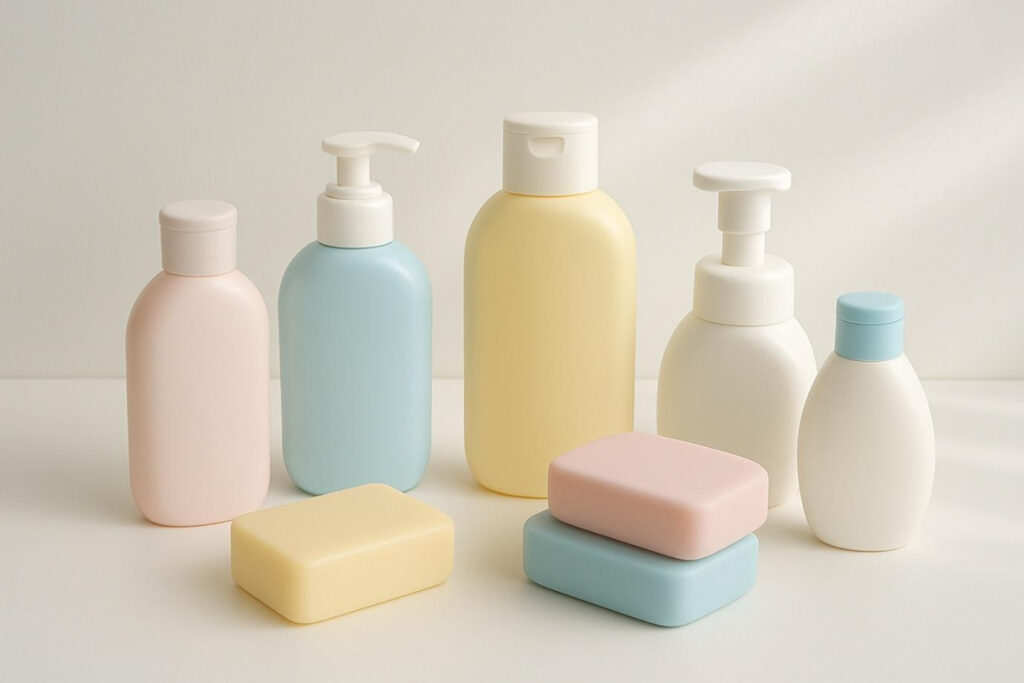
Bar Soaps vs Liquid Wash Comparisons
When choosing between bar soaps and liquid cleansers for your baby, the fundamental difference lies in their pH levels and skin barrier protection. Traditional bar soaps, even natural ones, are typically alkaline, which can disrupt your baby’s skin’s natural pH balance of around 5.5. This disruption may lead to dryness, irritation, and increased sensitivity in your little one’s delicate skin.
Liquid cleansers, particularly syndet (synthetic detergent) formulations, offer superior gentleness for toxic-free baby care. These soap-free alternatives maintain a pH-friendly environment that protects your baby’s skin barrier while providing effective cleansing. Unlike traditional soaps that can strip away natural oils, syndet bars and liquid cleansers contain emollients that help soften, smooth, and protect your baby’s skin during bath time.
The choice between bar and liquid often comes down to convenience and your baby’s specific skin needs. Liquid washes tend to be more moisturizing and less likely to cause the drying effects associated with alkaline bar soaps, making them particularly suitable for daily use on sensitive baby skin.
Newborn-Specific Gentle Formulas
Your newborn’s skin requires the gentlest possible care, as it starts off slightly acidic and becomes more so as they grow. For the earliest weeks and months, look for cleansers specifically labeled as “newborn safe” that have been developed by pediatric dermatologists.
The most suitable toxic-free baby soap options for newborns include formulas like Baby Dove products, which are designed to be gentle enough for newborn skin while providing the moisturizing benefits your baby needs. These products typically feature tear-free, fragrance-free formulations that won’t irritate your baby’s eyes or delicate skin.
CeraVe Baby Wash and Shampoo represents another excellent newborn-specific option, featuring a pH-balanced, soap-free formula with no parabens, sulfates, or fragrances. Such formulations ensure that your newborn’s first bath experiences are both safe and soothing, establishing a foundation for healthy skin care practices.
Eczema-Prone Skin Solutions
If your baby shows signs of eczema-prone skin, selecting the right cleanser becomes even more critical for maintaining their comfort and skin health. Look for products that have received the National Eczema Association (NEA) Seal of Acceptance, which indicates they’ve been tested and approved for eczema-prone skin in children.
Colloidal oatmeal emerges as a star ingredient for eczema care, offering anti-inflammatory properties that help soothe itchy, irritated skin. Products like Aveeno Baby Cleansing Therapy Moisturizing Wash harness this oatmeal-derived extract to provide relief for babies with atopic dermatitis. Similarly, TruKid Bubble Podz incorporates colloidal oatmeal and corn starch, making it suitable even for bubble bath time without triggering flare-ups.
Raw Sugar Living Kids Body Wash and Bath Soak contains moisturizing oils, chamomile, and calendula extract designed to lock in moisture and reduce skin irritation. Baby Dove Derma Care Soothing Wash combines colloidal oatmeal with prebiotic moisturizers, creating a comprehensive solution for eczema-prone baby skin.
Multi-Purpose Family-Friendly Options
Some toxic-free baby soap formulations work beautifully for the entire family, offering convenience without compromising on gentle care. These versatile options typically feature simple, clean ingredient lists that make them suitable for various ages and skin types within your household.
Products like Mustela Stelatopia Cleansing Oil, made with avocado perseose and sunflower oil, can be used daily by family members or specifically during eczema flare-ups. The steroid-free formula proves safe for newborns while remaining effective for older children and adults with sensitive skin.
When selecting multi-purpose options, prioritize products with clearly listed ingredients and avoid those containing sodium lauryl sulfate (SLS), fragrances, parabens, or other potentially irritating chemicals. Look for natural moisturizers like glycerin, shea butter, or organic calendula that benefit skin across all family members while maintaining the toxin-free standards essential for your baby’s health and safety.
Shopping Guidelines for Parents
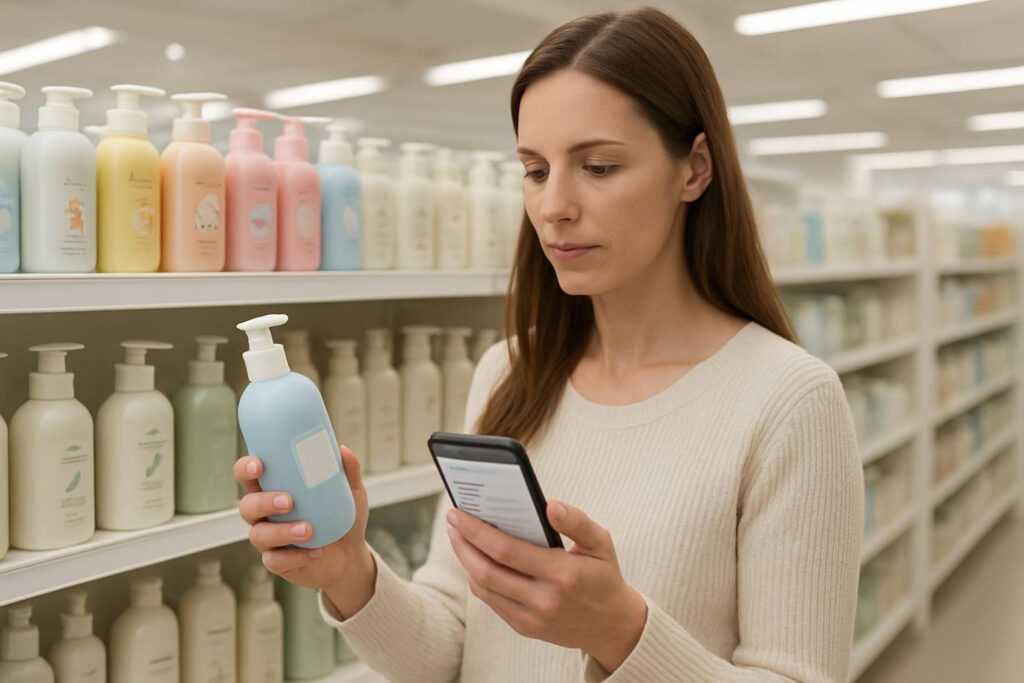
Reading ingredient labels effectively
When shopping for toxic-free baby soap, you’ll need to become a skilled ingredient detective. Start by flipping the bottle over and looking at the full ingredient list rather than trusting front-label claims like “natural” or “gentle” – these terms aren’t regulated and can be misleading.
Look for simple, recognizable ingredients that you can pronounce. The best baby soaps will feature saponified oils (like saponified olive oil or coconut oil), which indicate traditional soap-making methods. You’ll also want to see gentle surfactants such as decyl glucoside, lauryl glucoside, or coco-glucoside – these sugar-derived cleansers are mild and safe for sensitive baby skin.
Avoid products containing cocamidopropyl betaine, benzyl alcohol, PEGs, or any ingredient ending in “sulfate.” These can cause irritation and allergic reactions in babies. Also steer clear of anything labeled simply as “fragrance” or “parfum,” which can hide dozens of undisclosed chemicals.
For preservatives, look for safer options like gluconolactone, sodium levulinate, or levulinic acid. While sodium benzoate and phenoxyethanol are considered acceptable for older children, they’re not ideal for newborns.
Price comparison and value considerations
Toxic-free baby soaps range significantly in price, from budget-friendly options at $0.52 per fluid ounce to premium choices at $4.00 per ounce. When comparing costs, calculate the price per ounce rather than looking at the total bottle price – this gives you a true comparison.
Dr. Bronner’s Unscented Castile Soap offers the best value at $0.52 per ounce, while Badger Baby provides excellent quality at $1.60 per ounce. Mid-range options like Carina Organics Baby Shampoo & Body Wash at $1.54 per ounce offer organic ingredients at reasonable prices.
Consider that bar soaps typically offer better value than liquid washes and last longer. Primally Pure Baby Bar and Crunchi Littles 3-in-1 Bath Bar both cost $4.00 per ounce but provide concentrated, long-lasting cleansing power.
Remember that a little goes a long way with quality baby soaps – you’ll use less product per bath compared to conventional options, making even higher-priced items more economical over time.
Where to purchase trusted brands
You can find quality toxic-free baby soap brands through multiple channels. Amazon offers the widest selection and often carries specialized brands that aren’t available in local stores. Many of the recommended brands, including Earth Mama, Babyology, ATTITUDE Baby Leaves, and Pipette, are readily available on Amazon with convenient subscription options.
Target and Walmart stock several safe options like ATTITUDE Baby Leaves and Babo Botanicals Sensitive Baby Shampoo & Wash. Whole Foods is an excellent resource for organic and natural baby care products, particularly carrying brands like Babo Botanicals.
For premium or specialty brands, purchasing directly from the manufacturer’s website often ensures freshness and availability. Brands like Coterie, Primally Pure, Carina Organics, and PureHaven are best ordered directly from their websites. Some companies offer special Amazon shops – for instance, you can find curated selections of vetted baby wash brands through specialized Amazon storefronts.
Discount codes and money-saving tips
Take advantage of available discount codes to make toxic-free baby soap more affordable. Several trusted brands offer exclusive savings: use MAIAJAMES for 10% off at Poofy Baby, GIMMETHEGOODSTUF10 for 10% off Primally Pure orders, and GIMME15 for 15% off at Healthybaby, including subscriptions.
THEGOODSTUFF gets you 20% off your entire Pipette order, while GIMME10 saves 10% at Toups & Co. For premium diapers and baby care, NEWMODERNMOM provides 20% off at Coterie.
Consider setting up subscription services where available – they often come with automatic discounts and ensure you never run out of safe baby soap. Many brands offer 10-15% savings on recurring orders.
Buy in bulk or stock up during sales, as these products don’t expire quickly when stored properly. Bar soaps particularly offer excellent value and longevity. Watch for seasonal promotions during baby-focused shopping events or back-to-school periods when many retailers discount baby care items.
Choosing the right toxic-free soap for your baby doesn’t have to be overwhelming when you know what to look for. Remember to prioritize products with simple, organic ingredients like saponified oils, avoid harmful surfactants such as cocamidopropyl betaine, and steer clear of synthetic fragrances that can irritate delicate skin. Whether you opt for premium brands or budget-friendly alternatives, the key is reading ingredient labels carefully and selecting products that use gentle, plant-based cleansers with minimal processing.
Your baby’s skin deserves the safest, purest care possible, especially during those precious early months when their skin barrier is still developing. By following the guidelines outlined in this post and choosing from the recommended toxic-free brands, you’re taking an important step toward protecting your little one from unnecessary chemical exposure. Start with unscented, organic options for newborns, and always remember that less is more when it comes to baby skincare – sometimes warm water alone is all you need for a gentle, effective clean.
- Nothing Phone 4a: Is It Actually Worth the Hype for Indian Buyers?
- Renault Duster 2026: Everything You Need to Know Before Booking
- Trending Summer Kurta 2026: The 10 Styles That Are Ruling Instagram Right Now
- Holi Skin Rescue 2026: The Ayurvedic Routine That Actually Works After Colors
- Samsung Galaxy S26 vs iPhone 17 Pro Max: Which One Should Indians Buy in 2026?
About the Author