
Your skin deserves the ultimate hydration boost, especially when you’re dealing with India’s unpredictable weather and pollution. If you’re tired of dull, dehydrated skin that never seems to hold moisture long enough, mastering these 7 aqua layering steps will completely transform your skincare game.
This comprehensive hydration routine for Indian women breaks down the exact skincare product layering order that works best for our unique climate and skin needs. You’ll discover how to prep your skin like a pro, apply each layer for maximum absorption, and time everything perfectly so your products actually work together instead of fighting each other.
We’ll walk you through the essential pre-layering preparation that most people skip (but shouldn’t), show you the strategic moisturizer application steps that lock in hydration all day, and teach you the face oil layering technique that creates the perfect protective barrier. You’ll also learn how to customize your multi-step skincare routine for monsoons, summers, and winters, plus troubleshoot those annoying moments when your products just won’t absorb or start pilling up on your face.
Master the Essential Pre-Layering Skin Preparation
Cleanse thoroughly to remove impurities and excess oils
Your skin acts like a magnet throughout the day, attracting pollution, sweat, and product buildup that can seriously mess with your aqua layering routine. Before you even think about applying that first hydrating layer, you need to create a completely clean canvas. Start with a gentle, sulfate-free cleanser that won’t strip your skin’s natural protective barrier – something that’s especially important if you’re dealing with India’s humid climate and pollution levels.
Double cleansing works wonders for Indian women who wear sunscreen daily or deal with heavy pollution. Begin with an oil-based cleanser to break down makeup and sunscreen, then follow with a water-based cleanser to remove any remaining impurities. Pay special attention to your T-zone, where excess oils tend to accumulate, but don’t scrub aggressively. Gentle circular motions for about 60 seconds will do the trick.
Water temperature matters more than you think. Use lukewarm water instead of hot water, which can dehydrate your skin and make your upcoming skincare layering steps less effective. Hot water strips away natural oils that your skin needs to maintain its moisture balance, which goes against everything you’re trying to achieve with aqua layering.
Proper skincare layering improves hydration
Apply a gentle toner to balance skin pH levels
Your skin’s pH level can make or break your entire skincare product layering order. After cleansing, your skin’s pH often shifts to the alkaline side, which can leave it vulnerable and less receptive to the hydrating products you’re about to apply. A good toner brings your skin back to its optimal pH range of 4.5 to 6.5, creating the perfect environment for maximum product absorption.
Choose alcohol-free toners that contain hydrating ingredients like hyaluronic acid, glycerin, or rose water – ingredients that work particularly well for Indian skin types. These toners don’t just balance pH; they also provide that first layer of hydration that’s essential for effective aqua layering. Apply your toner using clean hands or a cotton pad, gently patting it across your face and neck.
Different skin types need different toning approaches. If you have oily skin, look for toners with niacinamide or witch hazel. For dry or sensitive skin, stick with hydrating toners that contain ceramides or aloe vera. Combination skin benefits from gentle, balancing toners that don’t over-dry the cheeks while still managing oil production in the T-zone.
Pat skin dry while leaving slight dampness for better product absorption
This step separates skincare beginners from those who really understand hydration routine principles. You don’t want your face completely dry before applying your next layer – that slight dampness acts like a moisture magnet for the products that follow. Think of damp skin as a sponge that’s ready to soak up all the good stuff you’re about to apply.
Use a clean, soft towel and gently pat your face instead of rubbing or wiping. Patting preserves that thin layer of moisture while removing excess water that could dilute your products. Your skin should feel slightly tacky to the touch – not dripping wet, but definitely not bone dry. This technique is especially effective in Indian climates where humidity levels can vary dramatically between seasons.
The timing here is crucial for your face moisturizing techniques to work properly. You want to apply your next product within 60 seconds of patting dry. This window ensures that the moisture on your skin hasn’t completely evaporated while still giving you enough time to grab your next product. If you wait too long, you’ll miss that sweet spot where your skin is perfectly primed for layering.
Apply the Perfect Base Layer for Maximum Hydration

Choose the right serum based on your skin type and concerns
Your serum choice forms the foundation of your aqua layering routine. For dry skin common in North Indian winters, look for hyaluronic acid serums that can hold up to 1000 times their weight in water. If you’re dealing with oily skin typical in humid coastal areas, opt for lightweight, water-based serums with niacinamide to control sebum production while maintaining hydration.
Combination skin requires a strategic approach. Use a hydrating serum on dry zones like your cheeks and forehead, while applying a mattifying serum to your T-zone. For sensitive skin, choose serums with minimal ingredients – ceramides and peptides work beautifully without causing irritation.
How to moisturize skin properly
Consider your specific concerns too. Vitamin C serums work wonders for brightening dull skin caused by pollution exposure, while retinol serums help with anti-aging. Always check the ingredient list for potential allergens, especially if you have reactive skin.
| Skin Type | Best Serum Ingredients | Benefits |
|---|---|---|
| Dry | Hyaluronic acid, Glycerin | Deep hydration, plumping |
| Oily | Niacinamide, Salicylic acid | Oil control, pore refinement |
| Sensitive | Ceramides, Aloe vera | Soothing, barrier repair |
| Combination | Zinc, Panthenol | Balanced hydration |
Use proper application techniques for even distribution
Your application technique can make or break your skincare layering steps for Indian skin. Start with clean hands – any residue can interfere with product absorption. Dispense 2-3 drops of serum onto your palm, then gently press your hands together to warm the product slightly.
Apply the serum using the pressing method rather than rubbing. Start from the center of your face and work outward, using gentle patting motions. This technique ensures even distribution without tugging at your skin, which is especially important for the delicate under-eye area.
Pay special attention to areas that need extra hydration – your cheeks, around your nose, and any dry patches. Don’t forget your neck and décolletage, as these areas often show signs of aging first. The key is building thin, even layers rather than applying one thick layer that might not absorb properly.
How to moisturize skin properly
For serums with active ingredients like vitamin C or retinol, use upward strokes to promote circulation and avoid the immediate eye area unless the product is specifically formulated for that region.
Allow adequate absorption time before next step
Patience becomes your best friend in your hydration routine. Each layer needs adequate time to penetrate your skin before you add the next product. Rushing this process can lead to pilling, reduced effectiveness, and wasted product.
Wait at least 30-60 seconds after applying your serum before moving to the next step in your face moisturizing techniques routine. Your skin should feel slightly tacky but not wet when it’s ready for the next layer. In humid climates like Mumbai or Chennai, you might need an extra minute for complete absorption.
Use this waiting time productively – brush your teeth, prepare your breakfast, or do gentle facial exercises. The absorption time also depends on the serum’s molecular weight. Lighter, water-based serums absorb faster than oil-based or thicker formulations.
Watch for signs that your product has absorbed properly. Your skin should appear plump and hydrated, not sticky or greasy. If you notice any residue sitting on top of your skin after a few minutes, you’ve likely applied too much product or need to adjust your technique for your skin’s current needs.
Lock in Moisture with Strategic Moisturizer Application
Select lightweight versus heavy moisturizers based on skin needs
Your skin’s needs change throughout the day, seasons, and different life stages, making moisturizer selection a crucial part of your aqua layering routine. For Indian women dealing with varying humidity levels and climate conditions, understanding when to use lightweight versus heavy moisturizers can make or break your skincare layering steps for Indian skin.
During humid monsoon months or if you have oily skin, reach for lightweight, gel-based moisturizers that won’t clog your pores or feel heavy on your skin. These water-based formulas absorb quickly and provide essential hydration without overwhelming your skin’s natural oil production. Look for ingredients like hyaluronic acid, glycerin, or aloe vera that deliver moisture without the weight.
When the dry winter months hit or you’re dealing with dehydrated skin, switch to richer, cream-based moisturizers. These heavier formulations contain occlusives like ceramides and fatty acids that create a protective barrier on your skin surface. Your face moisturizing techniques should adapt to these seasonal changes to maintain optimal skin health year-round.
| Skin Type | Lightweight Options | Heavy Options |
|---|---|---|
| Oily | Gel moisturizers, water-based creams | Rich night creams (evening only) |
| Dry | Light lotions with hyaluronic acid | Thick creams with ceramides |
| Combination | Gel for T-zone, light cream for cheeks | Heavier creams for dry areas only |
| Sensitive | Fragrance-free gels | Gentle, thick creams without actives |
Apply using upward circular motions for best penetration
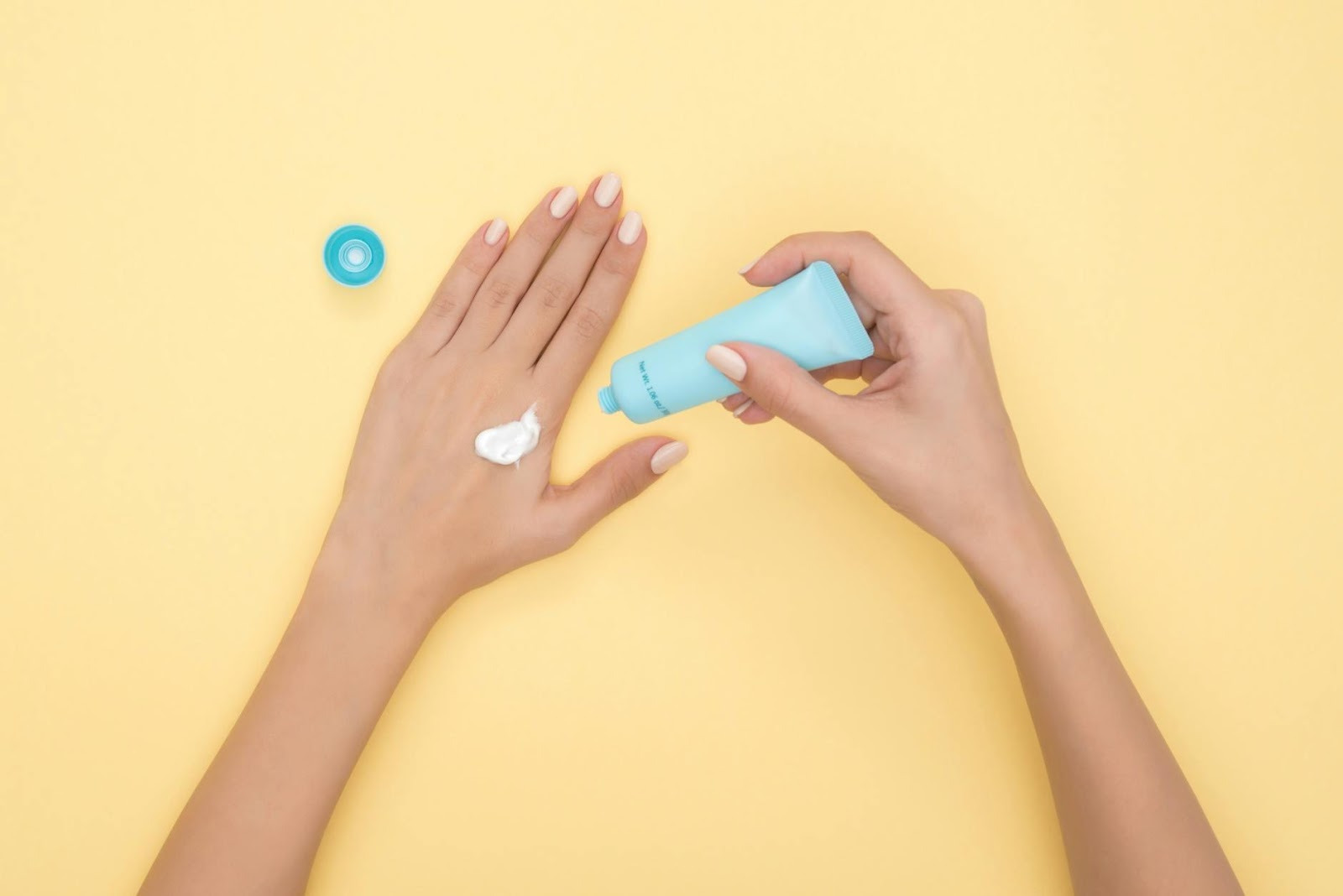
The way you apply your moisturizer directly impacts how well your skin absorbs the product and how effective your hydration routine Indian women follow becomes. Starting with clean hands, take a small amount of moisturizer and warm it between your fingertips. This simple step helps the product spread more evenly and penetrate better into your skin.
Begin applying from the center of your face and work outward using gentle upward circular motions. This technique not only helps with product absorption but also promotes blood circulation and gives your skin a natural lift. Avoid pulling or tugging downward, as this can contribute to premature sagging over time.
Your skincare product layering order matters here too – apply your moisturizer after your serums have fully absorbed but before any face oils. Use light pressure and take your time, spending at least 30-60 seconds massaging the product into your skin. This ensures even distribution and maximum benefits from your chosen moisturizer.
Pay special attention to your neck and décolletage area, extending the same upward motions down to these often-neglected areas. Your skin here is delicate and deserves the same care as your face.
Focus extra attention on dry-prone areas like cheeks and forehead
Certain areas of your face naturally tend to be drier than others, and your multi-step skincare routine should account for these variations. Your cheeks and forehead are typically the driest zones, especially if you’re dealing with India’s diverse climate conditions that can strip moisture from these exposed areas.
When applying moisturizer as part of your aqua layering guide India routine, spend extra time massaging product into these dry-prone zones. Your cheeks, in particular, have fewer oil glands compared to your T-zone, making them more susceptible to dehydration and irritation. Apply an additional thin layer of moisturizer to these areas if needed.
Your forehead also deserves special attention, especially if you wear makeup or spend time in air-conditioned environments that can dry out your skin. The skin here can become tight and flaky without proper hydration, affecting how your makeup applies and how comfortable you feel throughout the day.
Don’t forget about other commonly dry areas like around your eyes, the sides of your nose, and your chin. These spots often get overlooked but can benefit from the same focused moisturizing approach. Your skin hydration tips Indian climate routine should always include these targeted applications for balanced, healthy-looking skin across your entire face.
Create an Effective Barrier with Targeted Face Oils

Identify Which Oils Work Best for Indian Skin Tones and Types
Your Indian skin has unique characteristics that respond beautifully to specific face oils when chosen wisely. Jojoba oil tops the list because it closely mimics your skin’s natural sebum, making it perfect for all Indian skin types without clogging pores. For those with oily skin, rosehip seed oil offers lightweight hydration while addressing pigmentation concerns common in Indian women.
Argan oil works wonderfully for combination skin types, balancing oil production without leaving you feeling greasy. If you have dry skin, marula oil provides deep nourishment that penetrates quickly into your skin barrier. Squalane oil deserves special mention for sensitive Indian skin – it’s gentle, non-comedogenic, and helps maintain your skin’s moisture balance.
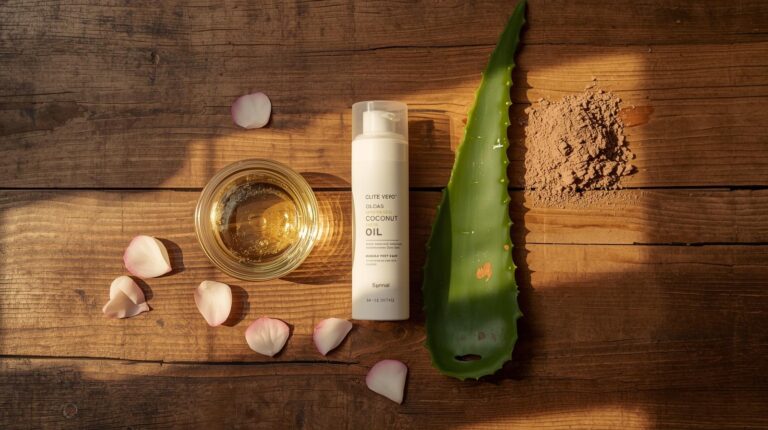
Avoid heavy oils like coconut or olive oil on your face, as these can trigger breakouts and interfere with your aqua layering routine. Instead, focus on lightweight, fast-absorbing oils that complement rather than compete with your other skincare products.
Layer Oils Correctly to Avoid Product Pilling
Your face oil layering technique makes or break your entire aqua layering routine. Always apply oils as your final step, after your moisturizer has fully absorbed. Wait at least 3-5 minutes between each product application to prevent that frustrating pilling effect where products ball up on your skin.
Start with just 2-3 drops of oil – you need much less than you think. Warm the oil between your palms before gently pressing it into your skin rather than rubbing. This pressing motion helps the oil penetrate without disturbing the layers underneath.
Pro tip: If you notice pilling, you’re likely using too much product or not allowing enough time between applications. Your skin should feel smooth and hydrated, not sticky or heavy after proper oil application.
Other face oil layering technique
Customize Oil Blends for Day Versus Night Routines
Your daytime oil needs differ significantly from nighttime requirements. During the day, choose lighter oils like jojoba or rosehip seed oil that absorb quickly and won’t interfere with sunscreen application. These oils provide protection without leaving you looking shiny under India’s intense sun.
Morning oil blend recommendations:
- 2 drops jojoba oil + 1 drop rosehip seed oil
- Focus on hydration and antioxidant protection
- Ensure complete absorption before sunscreen
Your nighttime routine allows for richer, more treatment-focused oils. Argan oil mixed with a drop of rosehip seed oil creates a powerful overnight treatment that repairs and regenerates while you sleep.
Evening oil blend suggestions:
- 2 drops argan oil + 1 drop marula oil for dry skin
- 2 drops squalane + 1 drop rosehip for oily/combination skin
- Add vitamin E oil once weekly for extra nourishment
Address Specific Concerns Like Dark Spots and Uneven Texture
Your face oil layering technique becomes a targeted treatment when you select oils that address your specific skin concerns. Rosehip seed oil contains natural vitamin C and helps fade dark spots that Indian women commonly experience from sun exposure and hormonal changes.
For uneven texture issues, jojoba oil helps regulate sebum production while argan oil provides essential fatty acids that smooth rough patches. Mix these oils with a single drop of vitamin E oil twice weekly to accelerate healing and prevent further pigmentation.
Treatment combinations for common concerns:
| Concern | Oil Blend | Application |
|---|---|---|
| Dark spots | Rosehip + Jojoba (2:1 ratio) | Nighttime only |
| Uneven texture | Argan + Squalane (1:1 ratio) | Morning and night |
| Acne scarring | Rosehip + Vitamin E (3:1 ratio) | 3x weekly, evening |
Remember that consistency beats intensity – regular use of properly layered oils in your aqua layering routine will show results within 4-6 weeks. Your Indian skin responds best to gentle, consistent care rather than aggressive treatments.
Optimize Product Timing and Absorption Techniques
Follow the proper waiting periods between each layer
Your aqua layering routine success depends heavily on giving each product enough time to properly sink into your skin. You can’t just slap on one product after another and expect magical results. Your skin needs breathing room between applications to fully absorb each layer and prepare for the next one.
Start with a 30-60 second wait after applying your hydrating toner or essence. This gives the lightweight water-based products time to penetrate your skin barrier without interference. For serums, especially vitamin C or hyaluronic acid formulations popular in skincare product layering order, allow 1-2 minutes before moving to your next step.
When it comes to moisturizers, patience pays off big time. Give your skin a full 2-3 minutes to absorb the hydrating goodness before applying face oils. This waiting period prevents product pilling and ensures each layer can do its job effectively.
During humid Indian summers, you might need slightly longer absorption times since your skin already holds more moisture from the environment. In contrast, dry winter months may require shorter intervals as your thirsty skin drinks up products faster.
Use gentle patting motions instead of rubbing for sensitive areas
Your application technique can make or break your multi-step skincare routine. Harsh rubbing motions create unnecessary friction that can irritate your skin and actually prevent proper product absorption. Your delicate facial skin, especially around your eyes and lips, deserves gentler treatment.
Start by warming the product between your palms for better spreadability. Then use light, upward patting motions with your fingertips to apply each layer. This technique helps stimulate blood circulation while ensuring even distribution across your face.
Focus on these key areas that need extra gentle care:
- Under-eye region: Use your ring finger (the weakest finger) to gently pat eye creams
- Around your nose: Light dabbing motions prevent product from sliding off
- Neck and décolletage: Upward strokes help fight gravity and aging
- Cheek area: Gentle pressing motions help serums penetrate deeper
For face oils in your aqua layering guide India routine, press the oil into your skin rather than sliding it around. This pressing technique helps the oil molecules penetrate deeper layers without disrupting the previous products you’ve applied.
Recognize signs when your skin has absorbed enough product
Your skin gives you clear signals when it’s had enough product, and learning to read these signs prevents waste and potential breakouts. Overloading your skin disrupts the carefully planned skincare layering steps for Indian skin and can lead to clogged pores.
Watch for these absorption indicators:
| Product Type | Absorption Signs | Time Frame |
|---|---|---|
| Toner/Essence | No wet feeling, skin feels plump | 30-60 seconds |
| Serum | Smooth finish, no stickiness | 1-2 minutes |
| Moisturizer | Skin feels soft but not greasy | 2-3 minutes |
| Face Oil | Natural glow without shine | 3-5 minutes |
Your skin should feel comfortable and balanced after each layer. If you notice pilling (when products ball up on your skin), excessive shininess that doesn’t fade, or a heavy feeling, you’ve probably applied too much product or didn’t wait long enough between layers.
Pay attention to how your skin behaves throughout the day. If your makeup slides off or you experience unexpected breakouts, these could be signs that your hydration routine Indian women style needs timing adjustments. Remember, less is often more when it comes to effective face moisturizing techniques.
Customize Your Routine for Different Seasons and Climates
Adjust layering intensity for monsoon humidity levels
Your aqua layering routine for Indian women needs a complete makeover when monsoon season hits. The 80-90% humidity levels mean your skin doesn’t need as much external moisture as it thinks it does. Start by cutting your usual hydration routine in half – if you normally use four layers, dial it back to two or three.
Switch to lighter, water-based formulas that won’t sit heavy on your skin. Your usual cream moisturizer might feel suffocating during this season, so opt for gel-based alternatives that absorb quickly. The key is building thin, breathable layers that won’t trap excess moisture and lead to breakouts.
Pay special attention to your T-zone, which tends to get oilier during humid months. You might want to skip face oils entirely in these areas or use just a single drop mixed with your moisturizer. Remember, your skin is already getting plenty of moisture from the air – your job is to regulate it, not overwhelm it.
Modify product choices during harsh summer months
Summer heat calls for a complete rethink of your skincare layering steps for Indian skin. When temperatures soar above 40°C, heavy creams become your enemy. Your aqua layering routine should focus on cooling, lightweight products that won’t melt off your face.
Start with a hydrating mist as your base layer – keep one in the fridge for an extra cooling effect. Follow with a hyaluronic acid serum, but use less product than usual since the heat makes everything absorb faster. Your moisturizer should be gel-based and contain ingredients like aloe vera or cucumber extract.
Here’s what works best during peak summer:
- Morning routine: Lightweight gel moisturizer + SPF combo
- Evening routine: Hydrating toner + minimal serum + night gel
- Mid-day refresh: Cooling face mist over makeup
Skip heavy face oils during the day completely. If you must use them, apply the tiniest amount only at night, and only if your skin feels tight. Your multi-step skincare routine should shrink to 2-3 essential steps to prevent product buildup in the heat.
Adapt routine for winter dryness common in North India
North Indian winters are brutal on your skin, dropping humidity levels to as low as 20%. Your skin hydration tips Indian climate strategy needs to shift into overdrive mode. This is when your aqua layering guide India approach should include every hydrating trick in the book.
Layer like your skin depends on it – because it does. Start with a hydrating toner, follow with two different serums (one hyaluronic acid, one niacinamide), then a rich moisturizer, and seal everything with a face oil. The dry, cold air will drink up moisture faster than you can apply it.
Your face moisturizing techniques should include the “sandwich method” – apply a thin layer of moisturizer, let it absorb for two minutes, then apply another layer. This builds up your skin’s moisture barrier more effectively than one thick application.
Don’t forget these winter essentials:
- Overnight masks: Use 2-3 times per week
- Facial oils: Essential for sealing in moisture
- Humidifier: Keep one in your bedroom
- Gentle cleansing: Avoid harsh foaming cleansers
Account for air conditioning and pollution effects on skin
Your office AC and Delhi’s pollution levels are working against your skincare product layering order every single day. Air conditioning strips moisture from your skin faster than you realize, while pollution creates a barrier that prevents products from penetrating properly.
Combat AC dryness by keeping a hydrating mist at your desk. Spritz your face every few hours, but blot gently with a tissue afterward – don’t let water sit on your skin as it evaporates. Your morning moisturizer application steps should include an extra layer specifically to prepare for 8+ hours of artificial air.
For pollution protection, your face oil layering technique becomes crucial. A thin layer of facial oil acts as a protective barrier against environmental toxins while still allowing your skin to breathe. Choose oils with antioxidant properties like rosehip or marula oil.
Create this pollution-fighting routine:
| Morning | Evening |
|---|---|
| Double cleansing if needed | Oil cleanser to remove pollution |
| Vitamin C serum | Hydrating toner |
| Moisturizer + SPF | Repair serum |
| Protective face oil (optional) | Night moisturizer + face oil |
Your aqua layering routine needs to be flexible enough to handle both indoor and outdoor environmental stressors. Keep blotting papers handy for touch-ups, and always have a backup hydrating product in your bag for emergency moisture boosts.
Troubleshoot Common Layering Mistakes and Problems
Prevent Product Pilling and Separation Issues
Product pilling happens when your skincare products roll up into little balls on your face, making your aqua layering routine look messy and feel ineffective. This annoying problem usually occurs when you apply products too quickly or mix incompatible formulations.
Wait at least 30-60 seconds between each layer of your hydration routine. Your skin needs time to absorb each product properly before you add the next one. Pat products gently into your skin instead of rubbing them vigorously – this pressing motion helps prevent the dreaded pilling effect that ruins your skincare layering steps.
Check your product combinations carefully. Water-based serums and oil-based moisturizers work beautifully together, but silicone-heavy primers can clash with certain hydrating toners. If you notice consistent pilling with specific products, try switching the order or spacing them further apart in your routine.
Clean hands make a huge difference too. Residue from previous products on your fingers can cause new layers to separate and pill up on your face.
Avoid Over-Application That Leads to Clogged Pores
Your face moisturizing techniques should focus on the right amount, not maximum quantity. Using too much product doesn’t give you better results – it actually blocks your pores and wastes your expensive skincare.
Start with a pea-sized amount for most face products. You can always add more if needed, but removing excess product is much harder. Your skin can only absorb so much at once, and the rest just sits on top, creating a breeding ground for bacteria and blackheads.
Pay attention to your skin’s feedback. If your face feels sticky or greasy 10-15 minutes after applying products, you’ve used too much. Your completed aqua layering routine should leave your skin feeling plump and smooth, not heavy or coated.
Different areas of your face need different amounts of product. Your T-zone typically requires less moisturizer than your cheeks, especially if you have combination skin. Adjust your application based on what each area actually needs.
Fix Timing Errors That Reduce Product Effectiveness
Timing mistakes can completely sabotage your skincare product layering order and waste all your effort. Rushing through your routine means products don’t penetrate properly, while waiting too long can let your skin dry out between steps.
Apply your thinnest products first – start with toners and essences, then move to serums, moisturizers, and finally face oils. Each layer should be slightly thicker than the previous one to ensure proper absorption and effectiveness.
Night routines need more time than morning ones. Give yourself at least 15-20 minutes for a complete multi-step skincare routine in the evening. Your skin repairs itself while you sleep, so those extra minutes of proper application really pay off.
Morning routines can be faster, but don’t skip the absorption time between your moisturizer and sunscreen. Wait 2-3 minutes before applying SPF to prevent it from mixing with your skincare and reducing protection. Your face oil layering technique should always come before sunscreen, never after, to maintain proper UV coverage for Indian climate conditions.
Your skin deserves the best care possible, and mastering these seven aqua layering steps will transform your daily routine into a powerful hydration ritual. From preparing your skin properly to timing each product application just right, you now have all the tools to create a personalized routine that works with India’s diverse climate challenges. Remember that consistency beats perfection – start with the basics and gradually build your routine as your skin adapts.
The key to successful aqua layering lies in understanding your skin’s unique needs and adjusting your approach accordingly. Whether you’re dealing with monsoon humidity or winter dryness, these techniques will help you maintain healthy, glowing skin year-round. Start implementing these steps one at a time, and don’t be afraid to experiment until you find the perfect combination that makes your skin feel its absolute best.
- Nothing Phone 4a: Is It Actually Worth the Hype for Indian Buyers?
- Renault Duster 2026: Everything You Need to Know Before Booking
- Trending Summer Kurta 2026: The 10 Styles That Are Ruling Instagram Right Now
- Holi Skin Rescue 2026: The Ayurvedic Routine That Actually Works After Colors
- Samsung Galaxy S26 vs iPhone 17 Pro Max: Which One Should Indians Buy in 2026?
About the Author