

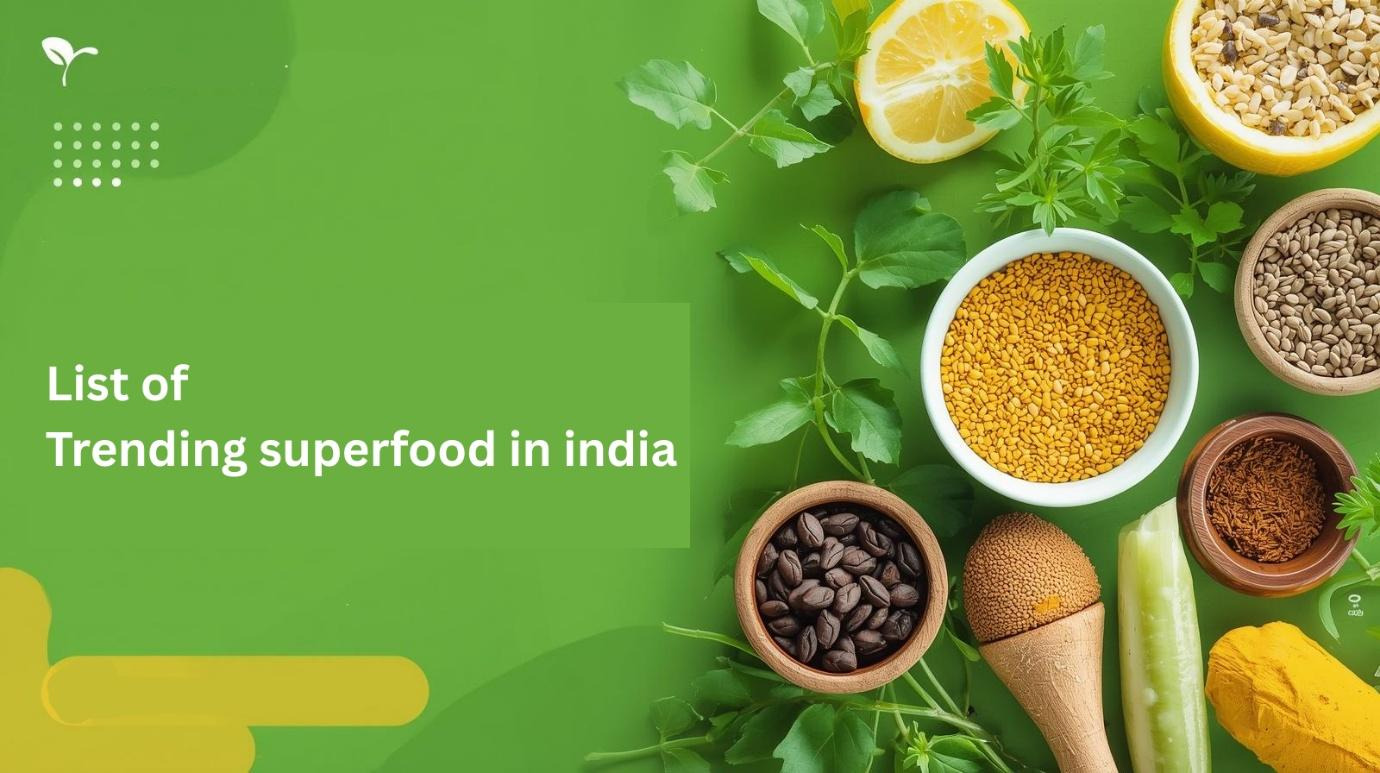
You’ve probably heard about quinoa being the ultimate superfood, but your grandmother’s pantry holds nutritional treasures that put it to shame. The trending superfoods India 2026 aren’t found in expensive health stores – they’re hiding in plain sight in traditional Indian kitchens, and they’ve been nourishing families for thousands of years.
This guide is for health-conscious Indians who want to embrace wellness without breaking the bank or abandoning their cultural roots. Whether you’re a busy professional looking to upgrade your diet or a parent wanting to feed your family better nutrition, these indigenous powerhouses offer everything quinoa does and more.
We’ll explore traditional Indian grains that deliver superior nutrition and cost a fraction of quinoa’s price. You’ll discover nutrient-dense Indian leaves and herbs that provide complete wellness support your body craves. Finally, we’ll uncover indigenous fruits and seeds that offer natural healing properties, plus show you why choosing these cost-effective superfoods benefits both your wallet and the planet’s sustainability.
Traditional Indian Grains That Outperform Quinoa
Ragi – The Wonder Grain for Strong Bones and Blood Sugar Control
When you’re looking for a superfood that outperforms quinoa, ragi (finger millet) should be at the top of your list. This ancient Indian grain contains an impressive 364 mg of calcium per 100g – that’s more than ten times the calcium content found in other major cereals. Your bones will thank you for incorporating this powerhouse grain into your diet, as it actively promotes bone health and prevents conditions like osteoporosis.
What makes ragi particularly valuable for your wellness journey is its unique nutritional profile. You’ll get 7.3g of protein per 100g, along with essential amino acids that support muscle repair and development. The grain’s high dietary fiber content (11.1g per 100g) helps regulate your blood sugar levels effectively, making it an excellent choice if you’re managing diabetes or prediabetes.
Your body will benefit from ragi’s low glycemic index, which ensures steady energy release without blood sugar spikes. The grain is composed primarily of slowly digestible starch, dietary fiber, and resistant starch, providing sustained nutrition throughout your day. Additionally, ragi contains vital B vitamins including B6, niacin, and folic acid, along with essential minerals like potassium, magnesium, iron, and zinc.
Amaranth – The Gluten-Free Protein Powerhouse for Heart Health
You’ll discover that amaranth stands out as a remarkable protein powerhouse, containing double the amount of protein found in rice and corn. This ancient grain provides you with a complete amino acid profile, making it an exceptional choice for your plant-based nutrition needs. What’s particularly impressive is that amaranth delivers 12.5g of protein per 100g, significantly higher than many conventional grains.
Your cardiovascular health will benefit tremendously from amaranth’s unique properties. The grain contains powerful antioxidants that combat oxidative stress and reduce your risk of chronic diseases. These antioxidants work actively in your system to protect against inflammation and support overall heart health. The grain’s phytochemicals exhibit anti-inflammatory properties that contribute to your overall well-being.
If you’re following a gluten-free diet, amaranth becomes an invaluable addition to your pantry. You can easily substitute it for wheat flour in your baking recipes, adding both nutritional value and a slightly nutty flavor to your foods. The grain’s versatility allows you to incorporate it into various dishes, from breakfast porridges to dinner side dishes, ensuring you receive consistent nutritional benefits throughout your day.
Bajra – The Iron-Rich Winter Grain for Muscle Strength and Weight Management
Your winter nutrition gets a significant boost when you include bajra (pearl millet) in your diet. This remarkable grain provides you with 11.6g of protein per 100g and is particularly rich in iron and essential minerals that help prevent anemia and promote your overall well-being. You’ll find that bajra’s high iron content makes it especially valuable for maintaining healthy hemoglobin levels.
What sets bajra apart for your fitness goals is its exceptional fiber content (11.4g per 100g) combined with a low glycemic index. This combination helps you regulate blood sugar levels effectively while keeping you feeling satisfied longer. The fiber moves slowly through your stomach, which assists in maintaining a healthy weight by naturally controlling your appetite.
Your muscle development will benefit from bajra’s rich mineral profile, including high levels of omega-3 fatty acids and essential amino acids. The grain contains alpha-linolenic acid, eicosapentaenoic acid, and docosahexaenoic acid – fatty acids that support muscle recovery and strength building. Additionally, you’ll receive vital micronutrients including zinc, copper, potassium, magnesium, phosphorous, and manganese, along with B vitamins that support energy production and nerve function.
The grain’s lower carbohydrate content compared to other staple cereals makes it an ideal choice for your weight management goals, while its gluten-free nature ensures it’s suitable for those with celiac disease or gluten sensitivity.
Nutrient-Dense Indian Leaves and Herbs for Complete Wellness
Moringa – The Multi-Vitamin Leaf for Immunity and Glowing Skin
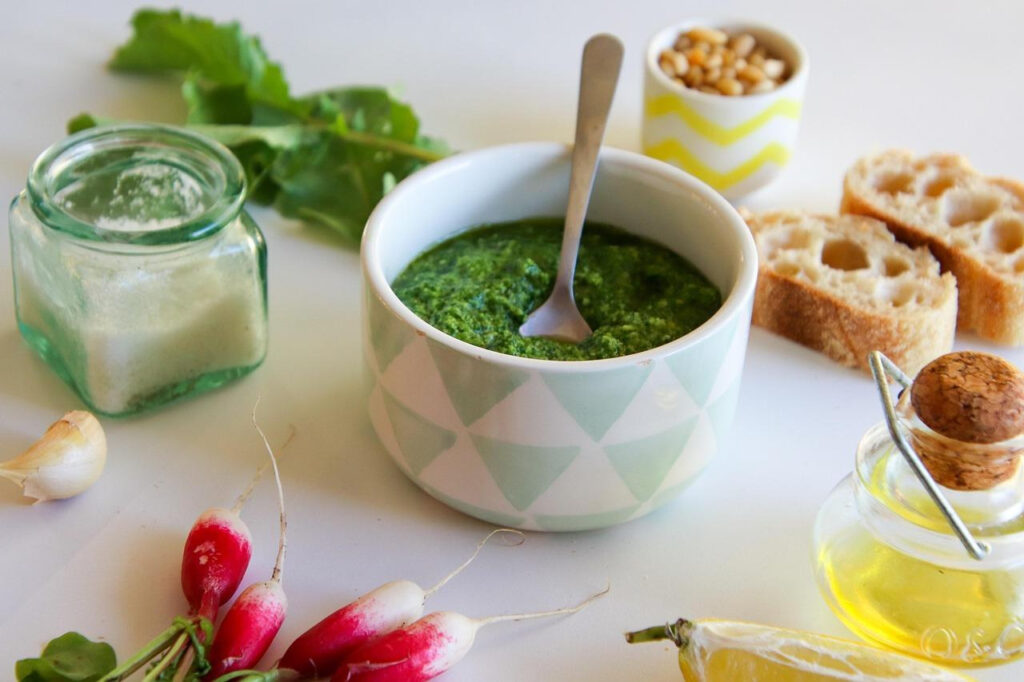
When you’re searching for trending superfoods India 2026 has to offer, moringa stands out as nature’s most potent multi-vitamin source. This indigenous Indian leaf has earned its reputation as a complete wellness powerhouse, packed with essential nutrients that support both your immune system and skin health.
Moringa leaves contain exceptional levels of vitamin C, iron, calcium, and protein, making them superior to many imported superfoods. The antioxidant properties in moringa work tirelessly to protect your body from oxidative stress while promoting cellular regeneration. Your skin benefits tremendously from moringa’s anti-inflammatory compounds, which help reduce acne, promote healing, and maintain that natural glow you’ve been seeking.
The beauty of incorporating moringa into your diet lies in its versatility. You can easily add moringa powder to your smoothies, sprinkle fresh leaves into salads, or brew them as tea. Unlike expensive imported supplements, moringa grows abundantly across India, making it one of the most cost-effective superfoods available to you.
Your immune system receives comprehensive support from moringa’s rich nutrient profile. The high concentration of vitamins A, C, and E work synergistically to strengthen your body’s natural defenses against infections and diseases.
Turmeric – The Golden Anti-Inflammatory Spice for Brain Health
Now that we’ve explored moringa’s benefits, let’s examine how turmeric stands as India’s golden treasure for brain health and overall wellness. This traditional Indian spice has been scientifically proven to offer remarkable anti-inflammatory properties that directly benefit your cognitive function.
The active compound in turmeric, curcumin, demonstrates powerful effects on brain health by increasing brain levels of brain-derived neurotrophic factor (BDNF). When your BDNF levels are optimal, you experience better memory, improved learning capacity, and protection against neurodegenerative conditions like Alzheimer’s and depression.
Your daily turmeric consumption can significantly impact inflammation reduction throughout your body. Research shows that turmeric may be as effective as non-steroidal anti-inflammatory medicines (NSAIDs) for joint pain, function, and stiffness, particularly when used consistently for at least 12 weeks. This makes turmeric an excellent natural alternative for managing inflammatory conditions.
Beyond brain health, turmeric supports your cardiovascular system by improving blood flow as effectively as exercise or certain pharmaceutical drugs. Studies suggest that compounds in turmeric may help preserve brain function while simultaneously improving symptoms of depression and anxiety.
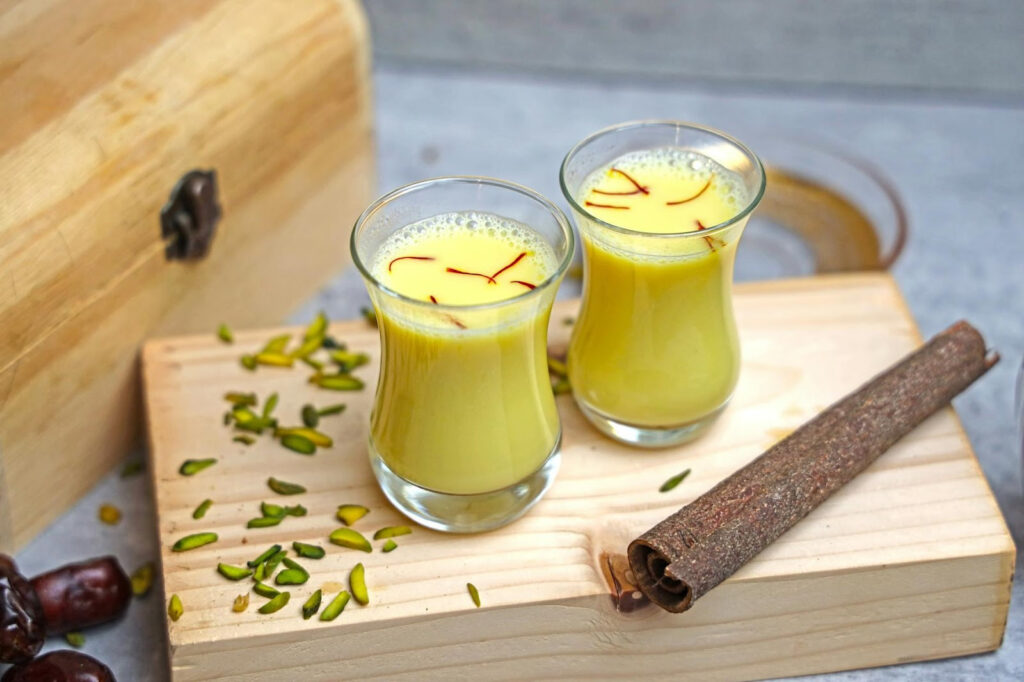
You can maximize turmeric’s benefits by incorporating it into your daily cooking, preparing golden milk, or taking standardized curcumin supplements. However, remember that turmeric comprises only around 3% curcumin, so larger therapeutic doses may be necessary for specific health benefits.
Indigenous Fruits and Seeds for Natural Healing
Amla – The Vitamin C Champion for Anti-Aging and Detoxification
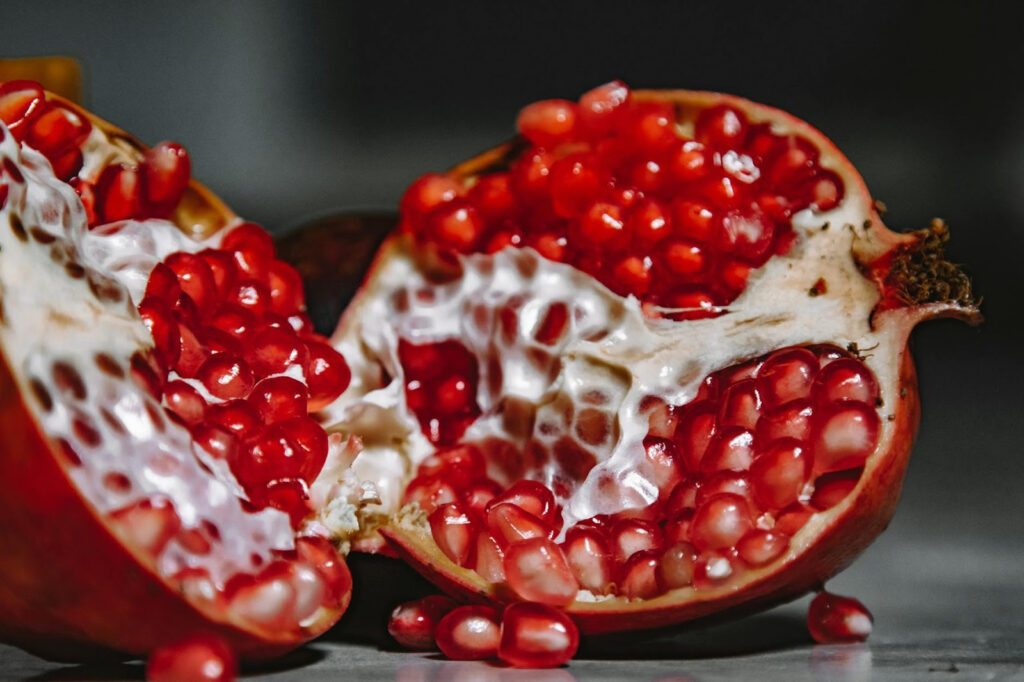
When you think of vitamin C powerhouses, you probably consider oranges or lemons, but amla (Indian gooseberry) completely outshines these fruits with its exceptional nutritional profile. A single amla fruit contains approximately 600-800% of your daily vitamin C requirement, making it one of nature’s most concentrated sources of this essential nutrient.
Your body benefits immensely from amla’s anti-aging properties, primarily due to its high vitamin C content and powerful antioxidant activity. The vitamin C in amla helps prevent cellular damage by neutralizing free radicals, effectively slowing down your body’s natural aging process. You’ll notice improvements in your skin health as amla helps prevent collagen breakdown, maintaining the firm yet flexible protein matrix that keeps your skin youthful and elastic.
For your hair health, amla extract offers remarkable benefits by inhibiting enzymes that contribute to hair loss and promoting healthy hair growth. Your vision can also benefit from regular amla consumption, as studies show it protects against age-related macular degeneration by improving the mitochondrial health of your eye cells.
Beyond anti-aging, you can rely on amla for effective detoxification support. Your liver benefits from amla’s anti-inflammatory and antioxidant properties, which help protect against damage caused by toxins and poor dietary choices. The fruit’s natural detoxifying effects help eliminate harmful substances from your body while supporting overall liver function.
Your immune system receives a significant boost from amla’s vitamin C content, which promotes the proliferation of specialized immune cells called phagocytes that help eliminate harmful invaders. This same vitamin C content helps your body develop protective antibodies against various threats, strengthening your overall immune response.
Sabja Seeds – The Cooling Digestive Aid for Blood Sugar Regulation
Now that we’ve explored amla’s remarkable benefits, let’s examine another indigenous superfood that offers unique cooling and digestive properties. Sabja seeds, also known as basil seeds, have been treasured in traditional Indian wellness practices for their exceptional ability to regulate your digestive system and blood sugar levels.
Your digestive health receives substantial support from sabja seeds due to their high fiber content and natural cooling properties. When you soak these seeds in water, they develop a gel-like coating that helps soothe your digestive tract and promotes healthy bowel movements. This natural mucilage acts as a gentle cleanser for your intestinal walls while providing relief from digestive discomfort.
For blood sugar management, you’ll find sabja seeds particularly valuable due to their ability to slow down the absorption of carbohydrates in your digestive system. The soluble fiber in these seeds forms a gel-like substance in your stomach, which helps regulate the release of glucose into your bloodstream, preventing sudden spikes in blood sugar levels.
Your body temperature regulation benefits significantly from sabja seeds’ natural cooling properties, making them especially valuable during hot weather or when you’re experiencing internal heat due to stress or inflammation. Traditional Indian medicine has long recognized these seeds’ ability to reduce body heat and provide a cooling effect that supports overall wellness.
You can easily incorporate sabja seeds into your daily routine by soaking them in water, adding them to smoothies, or using them in traditional Indian beverages. Their mild, pleasant taste makes them versatile for various culinary applications while providing consistent health benefits for your digestive system and blood sugar management.
Cost-Effective and Sustainable Benefits of Indian Superfoods

Traditional Accessibility Over Expensive Imported Options
Previously, you might have been tempted to purchase costly imported superfoods like quinoa or chia seeds, but India’s indigenous superfoods offer exceptional nutritional value at a fraction of the cost. Where people were once rushing to buy these expensive international alternatives, the focus is now shifting toward locally produced, traditional ingredients that are equally or more nutritious than their imported counterparts.
Consider amaranth, which provides 15 milligrams of iron per 100 grams compared to quinoa’s mere 1.5 mg – that’s a ten-fold increase in iron content. When you calculate the cost per nutrient, amaranth delivers superior value while being readily available in local markets across India. Similarly, jackfruit offers nearly 3 grams of protein per cup, significantly higher than most fruits, while costing substantially less than imported protein alternatives.
Your wallet will appreciate the dramatic price difference when you choose moringa leaves over expensive imported greens. These nutrient-dense leaves contain seven times more vitamin C than oranges and 15 times more potassium than bananas, yet remain accessible to households across all income levels. With India’s superfoods market estimated at ₹52,368 crore in 2024 and growing at 8.7% annually, you’re participating in a sustainable economic ecosystem that keeps money within local communities.
Deep Cultural Integration in Daily Indian Cuisine
Now that we understand the economic advantages, you’ll find that traditional Indian superfoods seamlessly integrate into your existing culinary practices. For centuries, your ancestors have incorporated these nutrient-dense ingredients into daily meals, creating a rich foundation of traditional recipes and cooking methods that maximize their benefits.
Unlike imported superfoods that require new cooking techniques or recipe adaptations, ingredients like amaranth, jackfruit, and moringa already have established roles in regional Indian cuisines. You can easily prepare amaranth as a grain substitute in your regular meals, use jackfruit seeds (often discarded) as protein-rich additions, or incorporate moringa leaves into traditional curries and dal preparations.
Your family’s cooking knowledge likely already includes methods for preparing these superfoods, passed down through generations. This cultural familiarity means you don’t need to learn new preparation techniques or invest in specialized cooking equipment. The food processing industry and agri-startups are also innovating to transform these traditional crops into contemporary forms like protein bars and ready-to-eat foods, making them even more convenient for your modern lifestyle.
Climate-Appropriate Foods for Local Health Needs
With this cultural foundation in mind, you’ll discover that these traditional superfoods are naturally adapted to address health challenges specific to the Indian population and climate. The nutritional profiles of jackfruit, amaranth, and moringa directly respond to common deficiencies and health concerns prevalent in India.
Your body’s adaptation to the local climate makes these indigenous foods particularly beneficial. Amaranth’s complete protein nature and high lysine content address the protein deficiency common in vegetarian diets, while its gluten-free properties and low glycemic index make it suitable for managing diabetes – a growing health concern in India. The grain’s iron content specifically targets iron-deficiency anemia, which affects a significant portion of the Indian population.
Moringa’s exceptional nutrient density provides essential vitamins and minerals that your body needs to cope with environmental stressors and seasonal changes. Its complete amino acid profile makes it comparable to eggs and dairy products, crucial for populations following plant-based diets. These crops are naturally grown without chemicals and thrive in India’s diverse climatic conditions, ensuring you receive nutrition that’s perfectly suited to your geographic and genetic requirements while supporting sustainable agricultural practices that protect your local environment.
India’s ancient superfoods offer you a treasure trove of nutrition that rivals and often surpasses international alternatives like quinoa. From calcium-rich ragi and protein-packed amaranth to vitamin C-loaded amla and anti-inflammatory turmeric, these traditional ingredients provide complete wellness solutions that have been trusted for centuries. These nutrient-dense grains, herbs, and seeds not only deliver superior health benefits but also support your budget and local sustainability.
By embracing these indigenous superfoods, you’re making a choice that benefits your health, your wallet, and your environment. Whether you’re incorporating moringa into your smoothies, cooking bajra rotis for dinner, or adding sabja seeds to your summer drinks, you have access to some of the world’s most powerful nutrition right in your kitchen. Start small by replacing one processed food with these traditional alternatives, and experience the transformative power of India’s homegrown superfoods for yourself.
turmeric curcumin brain health
- Nothing Phone 4a: Is It Actually Worth the Hype for Indian Buyers?
- Renault Duster 2026: Everything You Need to Know Before Booking
- Trending Summer Kurta 2026: The 10 Styles That Are Ruling Instagram Right Now
- Holi Skin Rescue 2026: The Ayurvedic Routine That Actually Works After Colors
- Samsung Galaxy S26 vs iPhone 17 Pro Max: Which One Should Indians Buy in 2026?
About the Author