
Your energy levels don’t have to decline just because you’ve hit your 40s. If you’re tired of afternoon crashes and struggling to maintain the vitality you once had, this guide will show you exactly how to fuel your body for sustained energy through strategic nutrition.
This comprehensive resource is designed for busy professionals, parents, and anyone over 40 who wants to reclaim their energy without relying on caffeine or quick fixes. You’ll discover science-backed strategies for eating for energy over 40 that work with your changing metabolism, not against it.
We’ll start by exploring why your energy patterns shift after 40 and what your body actually needs to maintain consistent fuel throughout the day. You’ll learn about the essential macronutrients that provide lasting energy and discover which power-packed micronutrients can help combat that midlife fatigue you’ve been experiencing.
By the end of this guide, you’ll have a clear roadmap for meal planning for energy that fits your lifestyle, plus a toolkit of energy boosting foods that will keep you feeling sharp and energized from morning until night.
Understanding Energy Changes After Age 40
How Metabolism Naturally Slows Down with Age
Your metabolism after 40 shifts into a different gear than it did in your twenties and thirties. You’re burning roughly 2-3% fewer calories each decade, which means your body needs less fuel to maintain basic functions. This metabolic slowdown happens because you naturally lose muscle mass, and muscle tissue burns more calories at rest than fat tissue does.
Hormonal Shifts That Impact Energy Levels
Hormonal changes become your body’s new reality after 40, directly affecting your energy levels throughout the day. Your thyroid function may decrease, insulin sensitivity can decline, and reproductive hormones like estrogen and testosterone begin their gradual descent. These shifts create a perfect storm for afternoon energy crashes and make it harder for your body to convert food into usable energy efficiently.
Why Traditional Dieting Approaches Stop Working
Your body responds differently to restrictive dieting approaches that might have worked in your younger years. Cutting calories too drastically now can backfire by further slowing your already-declining metabolism and leaving you exhausted. Quick-fix diets ignore the complex nutritional needs your changing body requires for sustained energy after 40.
The Connection Between Nutrient Absorption and Aging
Your digestive system becomes less efficient at extracting and absorbing key nutrients from food as you age. Stomach acid production decreases, which affects your ability to break down proteins and absorb B-vitamins crucial for energy production. Your intestinal lining also changes, making it harder to absorb minerals like iron and magnesium that directly support your energy levels throughout the day.
Essential Macronutrients for Sustained Energy
Choosing Quality Proteins for Muscle Maintenance
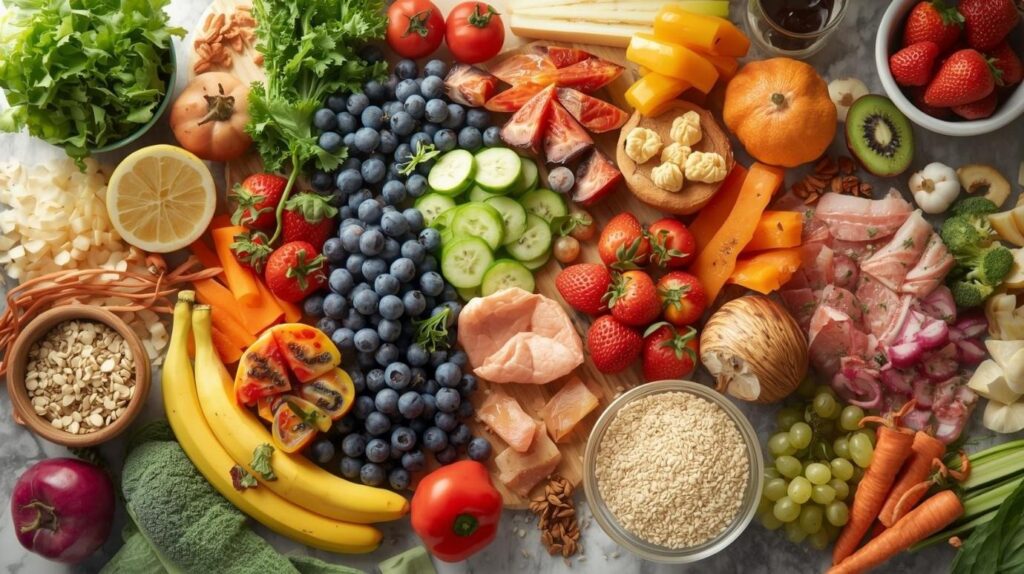
Your protein needs increase after 40 as muscle mass naturally declines by 3-8% per decade. Focus on complete proteins like lean meats, fish, eggs, and Greek yogurt that provide all essential amino acids your body requires for muscle repair and sustained energy after 40.
Plant-based options like quinoa, legumes, and hemp seeds work excellently too. Aim for 25-30 grams of quality protein per meal to optimize muscle protein synthesis and maintain steady energy levels throughout your day.
Smart Carbohydrate Selection for Steady Blood Sugar
Complex carbohydrates become your best friend for sustained energy diet success. Choose fiber-rich options like oats, sweet potatoes, and brown rice that release glucose slowly, preventing the energy crashes that derail your afternoon productivity.
Skip refined sugars and white flour products that spike blood sugar rapidly. Your metabolism after 40 responds better to steady fuel sources that keep insulin levels stable and energy consistent for hours.
Healthy Fats That Fuel Your Brain and Body
Your brain runs on fat, making quality choices essential for mental clarity and sustained energy. Incorporate omega-3 rich foods like salmon, walnuts, and avocados that support cognitive function while providing long-lasting fuel for your active lifestyle.
Medium-chain triglycerides from coconut oil and olive oil convert quickly to energy without storing as body fat. These anti-fatigue nutrition powerhouses help stabilize hormones and maintain energy levels middle age demands from your busy schedule.
Power-Packed Micronutrients Your Body Craves
B-Vitamins for Enhanced Energy Production
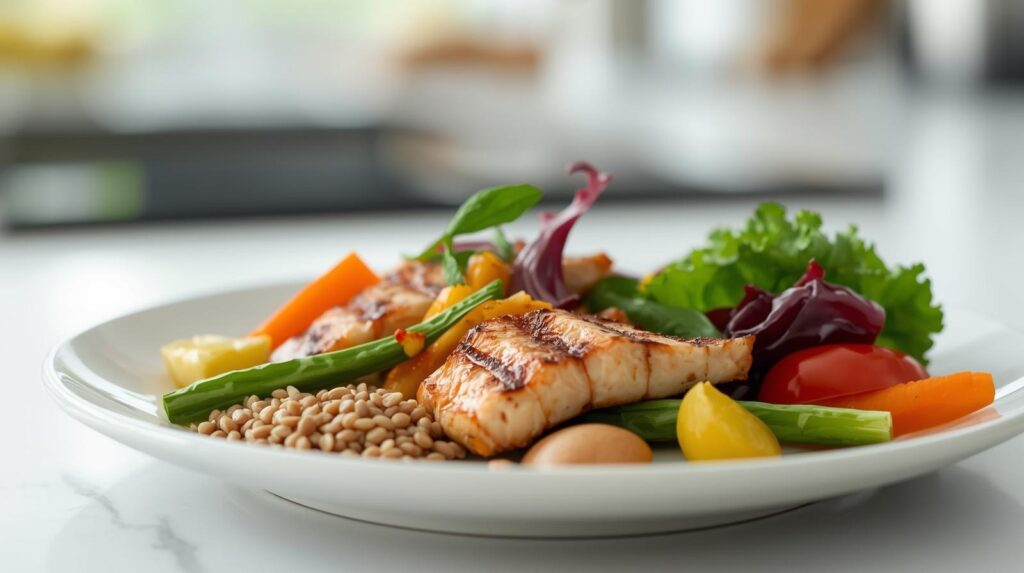
Your body’s energy production relies heavily on B-vitamins, which act as essential cofactors in converting food into usable energy. B1 (thiamine), B2 (riboflavin), B3 (niacin), and B12 work together to support your metabolism after 40, when your body becomes less efficient at nutrient absorption. You’ll find these energy boosting foods in whole grains, leafy greens, eggs, and lean meats.
B-complex deficiencies become more common in your 40s, leading to persistent fatigue and brain fog. Focus on incorporating fortified cereals, nutritional yeast, salmon, and legumes into your anti-fatigue nutrition plan for sustained energy throughout the day.
Iron and Magnesium for Fighting Fatigue
Iron deficiency is a leading cause of fatigue in midlife, especially for women experiencing hormonal changes. Your body needs adequate iron to transport oxygen efficiently, and even mild deficiencies can leave you feeling drained. Combine iron-rich foods like spinach, lean red meat, and lentils with vitamin C sources to enhance absorption.
Magnesium supports over 300 enzymatic reactions in your body, including energy production at the cellular level. This mineral helps regulate your sleep cycles and muscle function, making it essential for your energy levels in middle age. Add dark chocolate, nuts, seeds, and leafy greens to boost your magnesium intake naturally.
Vitamin D for Optimal Cellular Function
Your vitamin D levels naturally decline after 40, impacting everything from bone health to energy metabolism. This sunshine vitamin plays a crucial role in cellular energy production and muscle function, and deficiency often manifests as chronic fatigue. Since food sources are limited, consider fatty fish, fortified dairy products, and egg yolks as part of your eating for energy over 40 strategy.
Getting adequate vitamin D becomes challenging through diet alone, especially during winter months. Your body needs this vitamin to maintain optimal cellular function and support your immune system, both of which directly impact your daily energy levels and overall vitality.
Antioxidants That Combat Age-Related Decline
Free radical damage accelerates after 40, contributing to cellular fatigue and decreased energy production. Antioxidants like vitamin C, vitamin E, and selenium protect your mitochondria—your cells’ powerhouses—from oxidative stress. Berries, citrus fruits, nuts, and colorful vegetables should become staples in your nutrition for energy 40s plan.
Polyphenols found in green tea, dark berries, and red wine (in moderation) offer powerful anti-aging benefits that directly support your energy levels. These compounds help maintain healthy blood flow, reduce inflammation, and protect your cellular machinery from age-related damage that saps your vitality.
Strategic Meal Timing and Frequency
Benefits of Eating Every 3-4 Hours
Your body functions like a car engine—when you fuel it regularly, it runs smoothly and efficiently. Eating every 3-4 hours keeps your blood sugar stable and prevents those dreaded energy crashes that leave you reaching for sugary snacks. This consistent approach to nutrition for energy 40s helps your metabolism stay active throughout the day, making your body more efficient at converting food into usable energy.
Regular meal intervals also prevent overeating at your next meal, which can cause sluggishness and digestive stress. When you maintain steady eating patterns, your energy levels after 40 remain more predictable and sustainable.
Pre and Post-Workout Nutrition Guidelines
Your workout nutrition timing can make or break your energy levels and recovery. About 30-60 minutes before exercising, fuel your body with easily digestible carbohydrates paired with a small amount of protein—think a banana with almond butter or Greek yogurt with berries. This combination provides quick energy without weighing you down during your workout.
After exercising, your body needs protein to repair muscles and carbohydrates to replenish energy stores. Aim to eat within 30-60 minutes post-workout, focusing on a 3:1 ratio of carbs to protein for optimal recovery.
Why Skipping Breakfast Drains Your Energy
Breakfast literally breaks your overnight fast, jumpstarting your metabolism after hours of rest. When you skip this crucial meal, your body continues running on empty, forcing it to break down muscle tissue for energy—the opposite of what you want for sustained energy diet success. Your cortisol levels also spike when you delay eating, which can leave you feeling anxious and foggy.
Missing breakfast sets you up for poor food choices later in the day. You’re more likely to grab quick, processed foods that cause blood sugar spikes and crashes, perpetuating the cycle of fatigue that many experience with eating for energy over 40.
Foods That Naturally Boost Energy Levels
Complex Carbohydrates That Provide Lasting Fuel
Your body craves complex carbs after 40 because they deliver steady glucose to your bloodstream without the dramatic spikes that leave you crashing. Quinoa, steel-cut oats, and sweet potatoes become your best allies for sustained energy throughout busy days. These power foods digest slowly, keeping your blood sugar stable while providing the fuel your muscles and brain need to function optimally.
Wild rice, barley, and whole grain pasta offer similar benefits, releasing energy gradually over several hours. When you choose these nutrient-dense options over refined grains, you’ll notice fewer afternoon energy dips and better mental clarity that lasts well into evening hours.
Lean Proteins That Stabilize Blood Sugar
Incorporating lean proteins into every meal helps maintain steady energy levels by slowing carbohydrate absorption and preventing blood sugar rollercoasters. Salmon, chicken breast, and Greek yogurt provide essential amino acids while keeping your metabolism firing efficiently. These proteins also help preserve muscle mass, which naturally declines after 40 and directly impacts your energy production.
Plant-based options like lentils, chickpeas, and hemp seeds offer complete proteins plus fiber that further stabilizes your glucose levels. You’ll find that pairing these proteins with complex carbs creates the perfect energy-sustaining combination for your changing metabolism.
Energy-Rich Superfoods to Include Daily
Dark leafy greens like spinach and kale pack iron, magnesium, and B-vitamins that directly support cellular energy production. Blueberries deliver antioxidants that protect your mitochondria – your cells’ power plants – from age-related damage while providing natural sugars for quick energy. Nuts and seeds, particularly almonds and pumpkin seeds, supply healthy fats and minerals that fuel your brain and muscles efficiently.
Avocados offer monounsaturated fats that help absorb fat-soluble vitamins while providing sustained energy without blood sugar spikes. Adding these superfoods to your daily routine creates a nutritional foundation that supports optimal energy levels as your body’s needs evolve.
Hydrating Foods That Combat Afternoon Crashes
Water-rich foods like cucumber, watermelon, and celery help maintain the hydration levels crucial for sustained energy after 40. Dehydration often masquerades as fatigue, making these foods essential for preventing that 3 PM slump. Coconut water provides natural electrolytes that support proper fluid balance and energy metabolism throughout your day.
Soups and broths made with bone broth offer hydration plus collagen and minerals that support overall vitality. When you prioritize these hydrating options, you’ll notice improved mental clarity and physical stamina that carries you through demanding afternoons without reaching for caffeine or sugar.
Natural Caffeine Alternatives for Sustained Alertness
Green tea provides L-theanine alongside moderate caffeine, creating calm alertness without jitters or crashes that become more problematic after 40. Matcha powder offers concentrated antioxidants and sustained energy release that supports your changing metabolism. These alternatives work with your body’s natural rhythms rather than overwhelming your adrenal system like excessive coffee can.
Yerba mate and peppermint tea deliver gentle energy boosts while supporting digestion and mental focus. Dark chocolate with 70% cacao or higher provides natural stimulants plus mood-boosting compounds that enhance your overall energy perception without disrupting sleep patterns.
Creating Your Personalized Energy-Boosting Meal Plan
Weekly Meal Prep Strategies for Busy Schedules
Dedicate Sunday afternoons to batch-cooking energy-rich proteins like grilled chicken, baked salmon, and hard-boiled eggs. Prepare quinoa, brown rice, and roasted vegetables in large quantities that you can mix and match throughout the week. Store everything in glass containers for easy grab-and-go meals that maintain your energy levels after 40.
Quick Energy-Rich Snack Combinations
Your midlife metabolism craves balanced snacks that combine protein, healthy fats, and complex carbs. Try apple slices with almond butter, Greek yogurt with berries and nuts, or hummus with vegetable sticks. These combinations provide sustained energy without the afternoon crashes that come from sugary snacks.
Sample Daily Menus for Maximum Vitality
Breakfast Options:
- Overnight oats with chia seeds, berries, and Greek yogurt
- Veggie omelet with avocado and whole grain toast
- Smoothie bowl with spinach, banana, protein powder, and nuts
Lunch Ideas:
- Quinoa bowl with roasted vegetables and grilled chicken
- Lentil soup with mixed greens salad
- Turkey and avocado wrap with sweet potato chips
Dinner Suggestions:
- Baked salmon with steamed broccoli and brown rice
- Lean beef stir-fry with colorful vegetables
- Bean and vegetable curry with cauliflower rice
Your body’s energy needs shift dramatically after 40, but you now have the roadmap to work with these changes instead of against them. By focusing on the right balance of macronutrients, loading up on energy-supporting vitamins and minerals, and timing your meals strategically, you can actually feel more energetic than you did in your thirties. The foods you choose and when you eat them make all the difference in maintaining steady energy throughout your day.
Start implementing these changes gradually – pick one or two strategies that resonate with you most and build from there. Your personalized meal plan doesn’t need to be perfect from day one, but every small adjustment you make brings you closer to sustained, natural energy. Remember, this isn’t about restrictive dieting or complicated rules. It’s about giving your body exactly what it needs to thrive in this next chapter of your life.
- B-vitamins energy metabolism research
- Magnesium deficiency fatigue symptoms
- Protein needs after 40 muscle loss
- Complex carbs vs simple sugars energy
- Vitamin D energy levels midlife
- Nothing Phone 4a: Is It Actually Worth the Hype for Indian Buyers?
- Renault Duster 2026: Everything You Need to Know Before Booking
- Trending Summer Kurta 2026: The 10 Styles That Are Ruling Instagram Right Now
- Holi Skin Rescue 2026: The Ayurvedic Routine That Actually Works After Colors
- Samsung Galaxy S26 vs iPhone 17 Pro Max: Which One Should Indians Buy in 2026?
About the Author