

Gold vs. Digital Gold: Which is the Better Investment Post-Sankranti 2026?
The gold investment landscape has changed dramatically, and you’re probably wondering whether to stick with traditional gold bars and coins or jump into the digital gold space. This comprehensive guide is for retail investors, first-time gold buyers, and seasoned investors who want to make smart decisions about gold investment 2026 strategies after Sankranti.
You’ll discover the real differences between physical gold investment and digital gold investment options. We’ll break down the cost structures so you know exactly what you’re paying for each approach. You’ll also get insights into post-Sankranti market timing and which option gives you better liquidity when you need to cash out quickly.
By the end, you’ll have a clear roadmap for choosing between digital gold vs physical gold based on your specific financial goals and risk tolerance.
Understanding Physical Gold Investment Fundamentals

Traditional Gold Purchasing Options and Storage Methods
Your physical gold investment journey begins with choosing the right purchase avenue – whether through jewelry stores, coin dealers, or certified precious metals retailers. You’ll need to decide between gold bars, coins, or jewelry, each offering different premiums over spot prices. Storage becomes your primary concern, with options ranging from home safes to bank safety deposit boxes or professional vault services.
Market Liquidity and Resale Value Considerations
When you need to liquidate your physical gold investment, you’ll face varying buyback rates depending on your chosen dealer and current market conditions. Local coin shops typically offer immediate transactions but at lower premiums, while online dealers might provide better rates with longer processing times. Your gold’s condition, authentication, and original documentation significantly impact resale value.
Insurance and Security Requirements for Physical Holdings
Protecting your physical gold investment requires comprehensive insurance coverage that extends beyond standard homeowner’s policies. You’ll need specialized precious metals insurance that covers theft, loss, and damage during storage or transport. Security measures become essential – from alarm systems to fireproof safes – adding ongoing costs to your gold investment strategy.
Tax Implications and Government Regulations
Your physical gold investment falls under capital gains tax when sold, with rates varying based on holding periods and current regulations. You must maintain detailed purchase records, including receipts and authenticity certificates, for accurate tax reporting. Government regulations require dealers to report certain transactions, and you’ll need to understand reporting thresholds that could affect your investment privacy and tax obligations.
Exploring Digital Gold Investment Mechanisms
Gold ETFs and Mutual Fund Investment Strategies
You can access gold markets through exchange-traded funds (ETFs) that track gold prices without storing physical metal. These funds offer instant diversification and professional management, making digital gold investment straightforward for your portfolio. Gold mutual funds provide another avenue, pooling your money with other investors to buy gold-related securities. Your investment gets spread across multiple gold assets, reducing individual risk while maintaining exposure to gold’s price movements.
Digital Gold Platforms and Fractional Ownership Benefits
Digital platforms let you buy gold in small amounts, starting from as little as $1. You own actual gold stored in secure vaults, but without handling physical storage yourself. This gold investment approach gives you flexibility to purchase gradually, building your position over time. Your fractional ownership comes with certificates proving your stake, and you can sell portions whenever needed without minimum quantity restrictions.
Blockchain-Based Gold Tokens and Cryptocurrency Alternatives
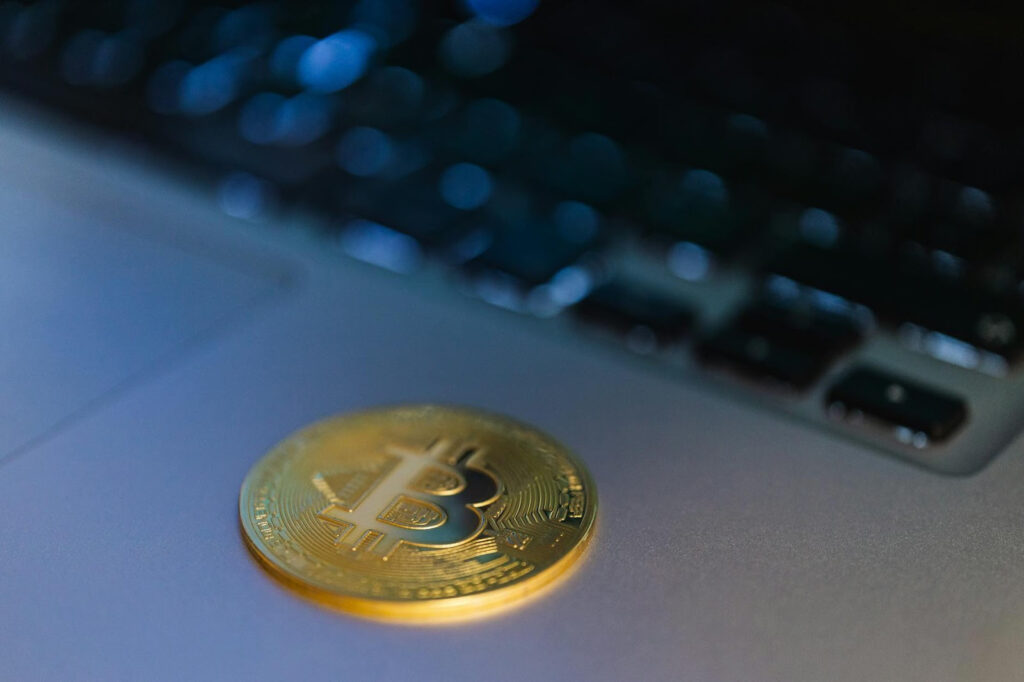
Tokenized gold combines traditional precious metals with modern blockchain technology, giving you digital ownership backed by real gold reserves. These tokens trade 24/7 on cryptocurrency exchanges, offering unprecedented liquidity for gold investment 2026 strategies. You benefit from transparent ownership records and instant settlements while maintaining exposure to gold’s intrinsic value. Smart contracts automate many processes, reducing counterparty risks typically associated with traditional gold investments.
Online Trading Convenience and Portfolio Integration
Your digital gold vs physical gold decision often comes down to convenience and integration capabilities. Online platforms sync with your existing investment accounts, showing gold allocation alongside stocks and bonds. You can rebalance your portfolio instantly, moving funds between asset classes with simple clicks. Real-time pricing updates help you make informed decisions, while automated investing features let you dollar-cost average into gold positions without constant monitoring.
Risk Assessment and Market Volatility Analysis

Economic Uncertainty Protection Capabilities of Both Options
Your gold investment strategy during economic turbulence depends heavily on which format you choose. Physical gold typically performs better when currency values decline or geopolitical tensions rise, offering you tangible security that’s independent of banking systems. Digital gold investment, while convenient, remains tied to financial institutions and technology platforms that could face operational risks during severe market disruptions.
Inflation Hedge Effectiveness Comparison
Both gold investment options help protect your purchasing power against inflation, but their effectiveness varies. Physical gold maintains its purchasing power consistently over decades, making it your reliable long-term hedge. Digital gold vs physical gold shows similar price movements, yet digital platforms may impose additional fees during high-demand periods, potentially reducing your inflation protection benefits when you need them most.
| Protection Factor | Physical Gold | Digital Gold |
|---|---|---|
| Economic Crisis Response | High | Moderate |
| Inflation Hedge | Excellent | Good |
| Independence Level | Complete | Platform-dependent |
Market Manipulation Vulnerabilities and Safeguards
Your physical gold holdings face minimal manipulation risks since you control the actual asset. However, storage and authentication concerns require proper safeguards. Digital gold platforms offer built-in security measures but remain vulnerable to cyber threats and regulatory changes. Gold market volatility affects both options equally, yet your digital holdings depend on platform integrity and government policies that could restrict access during crises.
Cost Structure and Fee Comparison
Physical Gold Premiums, Storage, and Transaction Costs
When you buy physical gold, you’re looking at several hidden costs that can eat into your returns. Your purchase price includes premiums of 3-8% above spot gold prices, plus making charges for jewelry. Storage becomes your biggest ongoing expense – bank lockers cost ₹3,000-15,000 annually, while insurance adds another 0.5-1% of your gold’s value yearly.
Digital Gold Management Fees and Platform Charges
Digital gold investment keeps your costs significantly lower. You’ll pay minimal transaction fees of 0.5-3% when buying or selling, with no storage charges since platforms handle secure vaulting. Most digital gold platforms charge annual management fees ranging from 0.5-1.5% of your holdings, making them more cost-effective than physical gold storage solutions.
Long-Term Cost Impact on Investment Returns
Your total cost of ownership matters enormously over time. Physical gold investment can reduce your returns by 2-4% annually due to storage, insurance, and transaction costs. Digital gold typically costs 1-2% less per year, meaning your investment compounds more effectively. Over a 10-year period, this cost difference could impact your final returns by 15-25%, making digital gold the more economical choice for long-term wealth building.
Liquidity and Accessibility Advantages
Physical gold selling process and time requirements
When you decide to sell physical gold, you’ll face a multi-step process that can take several days or even weeks. You need to find certified dealers, get your gold appraised, negotiate prices, and complete paperwork. This traditional physical gold investment approach requires physical presence and often involves waiting periods for verification and payment processing.
Digital gold instant trading and market access
Digital gold investment offers you immediate market access through smartphone apps and online platforms. You can buy or sell your gold investment within seconds, 24/7, without leaving your home. This instant gold liquidity comparison clearly favors digital formats, especially when market conditions change rapidly and you need quick action.
Emergency fund accessibility during financial crises
| Access Feature | Physical Gold | Digital Gold |
|---|---|---|
| Immediate availability | Limited | Instant |
| Weekend/holiday access | No | Yes |
| Partial liquidation | Difficult | Easy |
| Emergency withdrawal | Complex | Simple |
During financial emergencies, you can instantly convert portions of your digital gold vs physical gold holdings into cash. Physical gold requires finding buyers and completing time-sensitive transactions under pressure.
Global market exposure and diversification opportunities
Digital platforms give you access to international gold markets and real-time pricing from global exchanges. Your gold investment 2026 strategy benefits from broader market exposure, while physical gold limits you to local dealer networks and regional pricing variations that may not reflect true market value.
Minimum investment thresholds and scalability options
Best gold investment post Sankranti strategies often require flexibility in investment amounts. Digital gold allows you to start with amounts as low as ₹1, while physical gold typically requires minimum purchases of several grams. You can gradually scale your investment or reduce holdings in small increments, making gold investment costs more manageable for diverse financial situations.
Post-Sankranti 2026 Market Predictions and Investment Timing

Economic forecast impact on gold prices
Your gold investment post Sankranti 2026 will benefit from understanding the economic tailwinds ahead. Global inflation concerns and currency devaluations are expected to drive gold prices upward through 2026, making both physical and digital gold attractive hedges. Central bank policies favoring lower interest rates will likely reduce opportunity costs for holding gold investments.
Digital transformation trends in precious metals investing
You’ll notice accelerating adoption of blockchain-based gold tokens and mobile trading platforms reshaping how investors access precious metals. Digital gold platforms are integrating AI-powered portfolio management and fractional ownership models, making gold investment more accessible to younger demographics. Your investment choices will expand significantly as traditional dealers embrace hybrid digital-physical models.
Regulatory changes affecting both investment types
Recent regulatory frameworks are standardizing digital gold operations while maintaining traditional physical gold tax structures. You should expect clearer guidelines on digital gold taxation and enhanced consumer protection measures across both investment types. New compliance requirements will likely increase transparency in gold market pricing and reduce counterparty risks for your investments.
When you compare physical gold to digital gold as investment options after Sankranti 2026, each path offers distinct advantages that match different investor needs. Physical gold gives you that tangible security and cultural connection, while digital gold provides modern convenience and lower costs. Your choice really depends on whether you value the traditional feel of holding actual gold or prefer the flexibility of digital platforms that let you buy and sell instantly.
The market conditions following Sankranti 2026 suggest both options can work well in your portfolio, but you’ll want to consider your personal situation carefully. If you’re comfortable with technology and want to start small without storage worries, digital gold makes perfect sense. However, if you prefer something you can actually touch and want to follow traditional investment practices, physical gold remains a solid choice. Think about your budget, how quickly you might need access to your money, and what feels right for your investment style before making your decision.
- Physical gold vs digital gold comparison
- Gold ETF investment India
- Digital gold platforms fees
- Gold storage locker costs
- Post Sankranti gold strategy
- Nothing Phone 4a: Is It Actually Worth the Hype for Indian Buyers?
- Renault Duster 2026: Everything You Need to Know Before Booking
- Trending Summer Kurta 2026: The 10 Styles That Are Ruling Instagram Right Now
- Holi Skin Rescue 2026: The Ayurvedic Routine That Actually Works After Colors
- Samsung Galaxy S26 vs iPhone 17 Pro Max: Which One Should Indians Buy in 2026?
About the Author