

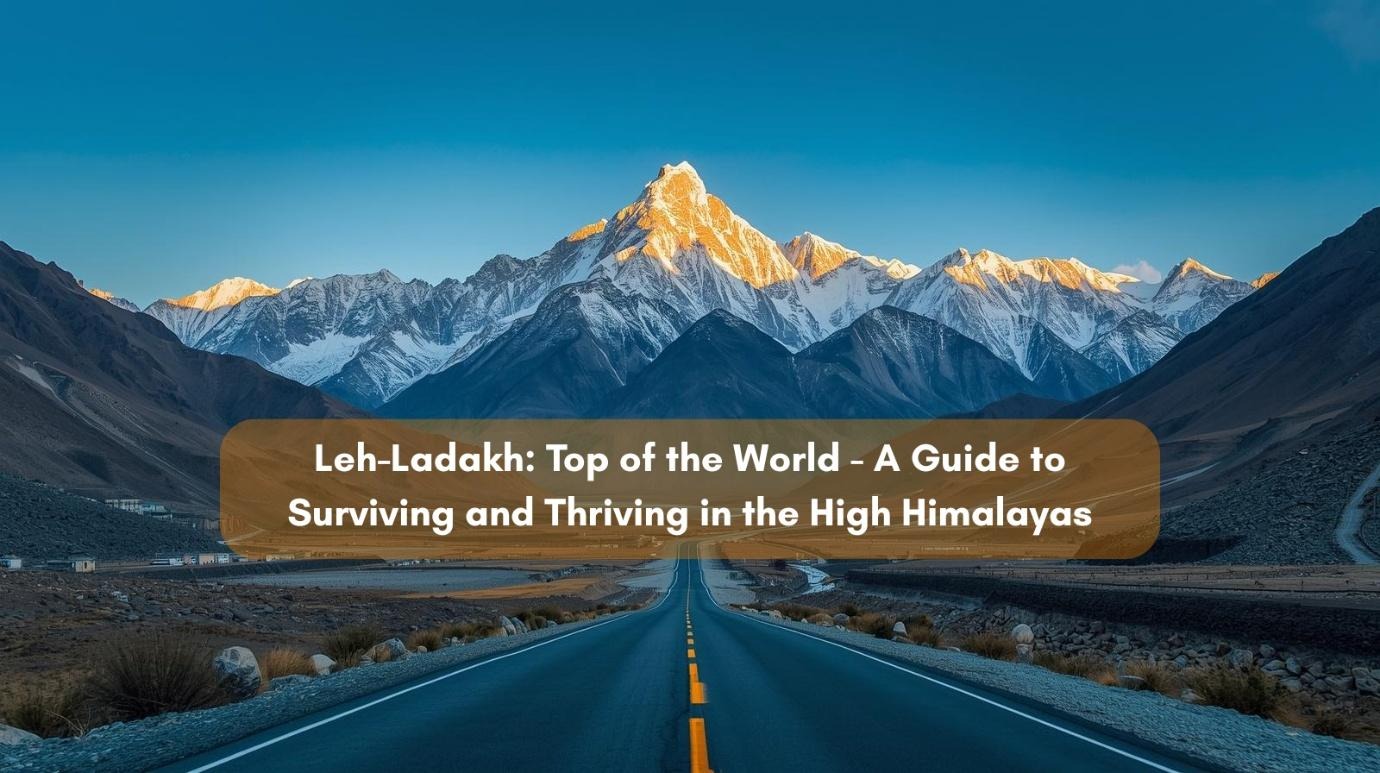
Top of the World: A Guide to Surviving and Thriving in the High Himalayas
You’re planning a trip to Leh-Ladakh, one of the most breathtaking and challenging destinations on Earth. This Leh Ladakh travel guide is designed for adventure seekers, trekkers, and travelers who want to experience the raw beauty of the Himalayas without putting their safety at risk.
The high-altitude desert of Ladakh sits at over 11,000 feet above sea level, where the air is thin and the landscape is unforgiving. You need more than just excitement and a camera to make this journey successful. You need practical knowledge about high altitude sickness prevention, smart packing strategies, and how to handle the unique challenges that come with traveling in one of the world’s most remote regions.
This guide walks you through the essential pre-trip planning that sets you up for high-altitude success, from understanding Ladakh acclimatization techniques to creating the perfect Leh Ladakh packing list. You’ll learn how to fuel your body with proper high altitude nutrition tips and discover the best strategies for mountain emergency preparedness. We’ll also cover practical matters like Ladakh accommodation booking and navigating the transportation challenges that come with exploring this remote corner of the Himalayas.
Your adventure to the roof of the world starts with the right preparation. Let’s make sure you’re ready.
Essential Pre-Trip Planning for High-Altitude Success
Optimize Your Physical Fitness Before Departure
Start your cardiovascular training at least 8-12 weeks before your Leh Ladakh travel guide adventure. Focus on activities like running, cycling, and stair climbing to build your lung capacity and endurance. Your body needs time to adapt to demanding physical conditions, so don’t skip this crucial preparation step.
Secure Necessary Permits and Documentation
You’ll need an Inner Line Permit (ILP) for restricted areas like Nubra Valley and Pangong Tso. Apply online through the official Ladakh government portal or get permits on arrival in Leh. Keep multiple photocopies of your ID, permits, and travel documents – mountain conditions can damage paperwork quickly.
Choose the Right Season for Your Adventure
Plan your trip between May and September when roads are accessible and weather conditions are most favorable. June to August offers the warmest temperatures, while May and September provide fewer crowds but cooler nights. Avoid winter months unless you’re specifically seeking extreme cold-weather challenges.
Plan Your Acclimatization Schedule
Build at least two rest days in Leh before attempting high-altitude destinations. Your Ladakh acclimatization guide should include gradual elevation gains – spend nights at progressively higher altitudes rather than rushing to peak destinations. This approach significantly reduces your risk of altitude sickness and ensures you can fully enjoy your Himalayan adventure.
Master the Art of High-Altitude Acclimatization
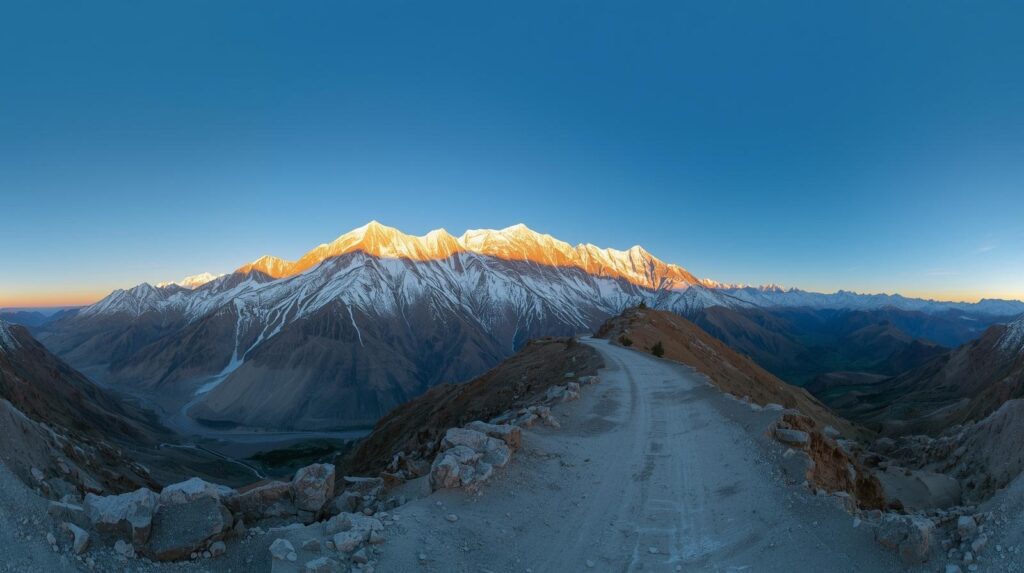
Understand Altitude Sickness Symptoms and Prevention
Your body needs time to adjust to Leh-Ladakh’s extreme elevations, typically above 11,000 feet. Watch for headaches, nausea, dizziness, and fatigue – these early warning signs shouldn’t be ignored. Start taking acetazolamide (Diamox) 24-48 hours before ascending, stay hydrated with 3-4 liters of water daily, and avoid alcohol completely during your first few days.
Follow the Golden Rule of Gradual Ascent
Climb high, sleep low – this high altitude trekking principle can save your life in the Himalayas. Never ascend more than 1,000 feet per day once you’re above 8,000 feet elevation. Spend at least two nights in Leh before heading to higher destinations like Pangong Tso or Nubra Valley. Your Ladakh acclimatization guide should include rest days every 3,000 feet of elevation gain.
Recognize When to Descend Immediately
Severe altitude sickness symptoms demand immediate descent – your life depends on recognizing these red flags. If you experience confusion, loss of coordination, difficulty breathing while resting, or persistent vomiting, descend at least 1,500 feet immediately. Don’t wait for symptoms to worsen; cerebral and pulmonary edema can be fatal within hours at high altitude.
Pack Smart for Extreme Mountain Conditions
Select Temperature-Appropriate Layered Clothing
Your survival in Leh Ladakh depends on mastering the three-layer system that adapts to extreme temperature swings. Start with moisture-wicking base layers made from merino wool or synthetic materials that pull sweat away from your skin. Add insulating mid-layers like fleece or down jackets that trap warm air while remaining breathable. Top everything with a windproof, waterproof shell that shields you from harsh mountain weather.
Choose High-Quality Cold Weather Gear
Invest in gear that won’t fail when temperatures plummet to -20°C at night. Your sleeping bag should be rated 10 degrees below the expected minimum temperature, paired with an insulated sleeping pad that prevents heat loss to frozen ground. Pack insulated, waterproof boots with good ankle support, plus backup pairs of wool socks. Don’t forget insulated gloves, a warm hat covering your ears, and UV-protection sunglasses for blinding snow glare.
Pack Essential High-Altitude Medical Supplies
| Medical Item | Purpose | Quantity |
|---|---|---|
| Diamox (Acetazolamide) | Altitude sickness prevention | 14-day supply |
| Dexamethasone | Severe altitude sickness treatment | 4-6 tablets |
| Pain relievers | Headaches, body aches | 20 tablets |
| Lip balm with SPF | Prevent cracking from dry air | 2 tubes |
| Antiseptic cream | Treat cuts and scrapes | 1 tube |
Bring Reliable Navigation and Communication Tools
Your phone GPS won’t work in remote valleys, so carry a dedicated GPS device with downloaded offline maps of Ladakh. Pack backup batteries or a solar charger since power sources are scarce. Bring a satellite communicator for emergencies when you’re beyond cell tower range. Include a detailed paper map as your final backup, plus a compass that works regardless of battery life or weather conditions.
Navigate Transportation Challenges in Remote Terrain
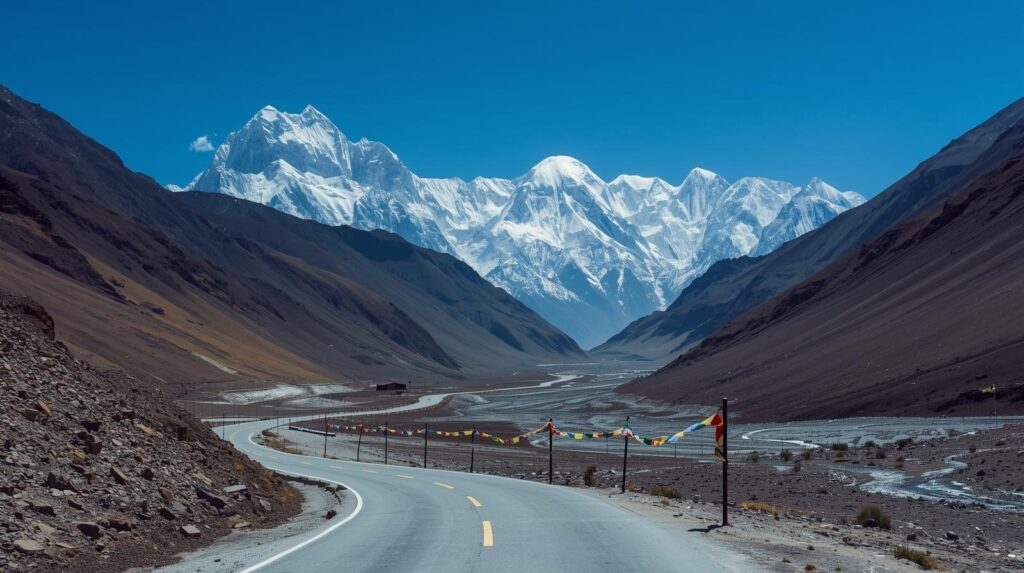
Master Local Bus and Shared Taxi Systems
Your best bet for budget travel across Ladakh involves mastering the local bus network and shared taxi system. Public buses connect major destinations like Leh, Kargil, and Srinagar, though schedules can be unpredictable due to weather conditions. Shared taxis offer more flexibility and comfort, running on popular routes when full with passengers. Book your spot early at the main bus stand or through local operators to secure seats during peak season.
Rent Motorcycles for Ultimate Freedom
Renting a motorcycle gives you unparalleled access to remote valleys and hidden monasteries that larger vehicles can’t reach. Royal Enfield bikes are the gold standard for Ladakh’s rugged terrain, available from numerous rental shops in Leh. You’ll need a valid driving license and should inspect the bike thoroughly before departing. Plan your fuel stops carefully since petrol pumps are scarce between major towns, and always carry basic repair tools for emergencies.
Book Reliable Private Vehicle Options
Private vehicles with experienced local drivers provide the safest option for navigating Ladakh’s challenging mountain roads. Book through established travel agencies or your accommodation to ensure proper permits and insurance coverage. SUVs like Mahindra Scorpio or Toyota Innova handle the terrain well and offer space for your gear. Your driver doubles as a local guide, sharing insights about culture and helping you spot wildlife during the journey through this spectacular Himalayan landscape.
Fuel Your Body for Peak Performance at Altitude
Maintain Proper Hydration in Dry Mountain Air
Your body loses water faster at high altitudes due to increased respiration and the dry mountain air that characterizes Leh Ladakh. Drink at least 3-4 liters of water daily, even if you don’t feel thirsty. Carry electrolyte powders to replace lost minerals through sweat and breathing.
Choose Energy-Rich Foods for High-Altitude Metabolism
Your metabolism works harder at altitude, requiring 300-500 extra calories daily. Focus on complex carbohydrates like oats, quinoa, and whole grains that provide sustained energy. Pack nuts, dried fruits, and energy bars for quick fuel during treks. Avoid heavy meals that can worsen altitude sickness symptoms and opt for smaller, frequent portions instead.
Locate Reliable Food Sources in Remote Areas
Stock up on non-perishable foods in Leh before heading to remote areas where supplies are limited. Local dhabas serve hearty dal-rice combinations perfect for high altitude nutrition tips. Carry backup provisions like instant noodles and energy bars for emergencies when traveling through isolated mountain passes.
Supplement Your Diet for Optimal Health
Consider iron supplements to combat altitude-induced anemia and vitamin C to boost immunity in harsh conditions. Consult your doctor about taking acetazolamide for altitude sickness prevention. Pack multivitamins to fill nutritional gaps when fresh produce becomes scarce in remote Himalayan regions.
Find Safe and Comfortable Accommodation
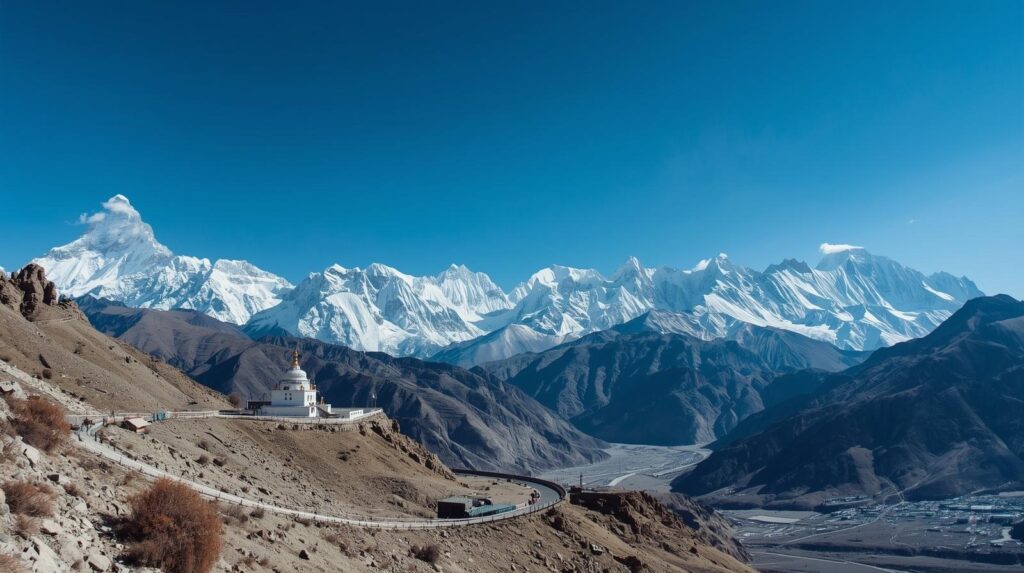
Book Guesthouses in Advance During Peak Season
Your Ladakh accommodation booking strategy can make or break your high-altitude adventure. During peak season (June to September), popular guesthouses fill up weeks ahead, especially in Leh, Nubra Valley, and Pangong Tso areas. Book through verified platforms or contact properties directly to secure rooms with proper heating and oxygen concentrators if needed.
Experience Authentic Homestays with Local Families
Staying with Ladakhi families offers unmatched cultural immersion while supporting local communities. These homestays provide traditional meals, insider knowledge about hidden trails, and genuine warmth that helps combat altitude stress. Choose homestays registered with tourism boards for safety assurance and basic amenities like clean bedding and shared bathrooms.
Camp Safely in Designated High-Altitude Areas
Camping above 14,000 feet requires careful site selection and proper gear. Set up your tent in designated areas away from water sources and avalanche zones. Carry a four-season tent rated for extreme conditions, sleeping bags rated 20 degrees below expected temperatures, and portable oxygen canisters for emergencies. Always inform locals about your camping plans and expected return.
Explore Must-See Destinations and Hidden Gems
Conquer Iconic Mountain Passes and Lakes
Your journey through Leh-Ladakh isn’t complete without tackling the legendary Khardung La Pass, once claimed as the world’s highest motorable road. Push your limits at Pangong Tso’s crystal-blue waters, where the lake stretches across the Indo-China border. Don’t miss Tso Moriri’s pristine beauty and the challenging Chang La Pass route.
Immerse Yourself in Ancient Monasteries and Culture
Step into centuries-old Hemis Monastery during festival season to witness masked dances and vibrant celebrations. Explore Thiksey Monastery’s towering architecture and join morning prayers for an authentic spiritual experience. Visit Diskit Monastery in Nubra Valley, where the massive Maitreya Buddha statue overlooks the desert landscape.
Discover Off-the-Beaten-Path Adventures
Venture into Zanskar Valley during winter for the frozen Chadar Trek, walking on the iced Zanskar River. Explore the remote Dha-Hanu villages to meet the Aryan community and experience their unique culture. Take the challenging route to Turtuk, India’s northernmost village, for breathtaking apricot orchards and Balti heritage.
Capture Stunning Photography Opportunities
Golden hour at Shanti Stupa offers panoramic views of Leh city against dramatic mountain backdrops. Position yourself at Magnetic Hill for optical illusion shots that defy gravity. Dawn photography at Lamayuru’s moonland landscape creates otherworldly images, while star trail photography in Hanle provides some of the clearest night skies you’ll ever encounter.
Prepare for and Handle Mountain Emergencies
Recognize Medical Emergency Warning Signs
Your body sends clear signals when altitude becomes dangerous. Watch for severe headaches that don’t respond to pain medication, persistent vomiting, confusion, or difficulty walking in a straight line – these indicate serious altitude sickness requiring immediate descent. Fluid in your lungs creates a crackling sound when breathing and pink, frothy sputum.
Access Emergency Services in Remote Locations
Keep emergency contacts saved offline since cell towers are sparse in Ladakh’s remote areas. Carry a satellite communicator or emergency beacon for life-threatening situations. Local monasteries and military posts often provide the fastest rescue coordination, so mark their locations on your map before heading out.
Create Backup Plans for Weather Delays
Mountain weather changes without warning, turning planned day trips into multi-day ordeals. Pack extra food, water, and warm clothing even for short excursions. Identify shelter options along your route – caves, shepherd huts, or protected valleys where you can wait out sudden storms safely.
Your journey to Leh-Ladakh will test your limits and reward you with memories that last a lifetime. From careful pre-trip planning and smart packing to mastering acclimatization and fueling your body properly, each preparation step brings you closer to conquering the high Himalayas safely. The transportation challenges and accommodation choices might seem daunting now, but with the right approach, they become part of your adventure story.
Don’t let the altitude intimidate you – respect it, prepare for it, and embrace the incredible destinations waiting for you in this mountain paradise. Pack your emergency kit, download those offline maps, and book your permits early. Your high-altitude adventure starts with taking that first step toward planning. The mountains are calling, and you’re ready to answer.
- Leh Ladakh official tourism
- Ladakh acclimatization guide
- Pangong Tso Nubra itinerary
- Khardung La pass info
- Nothing Phone 4a: Is It Actually Worth the Hype for Indian Buyers?
- Renault Duster 2026: Everything You Need to Know Before Booking
- Trending Summer Kurta 2026: The 10 Styles That Are Ruling Instagram Right Now
- Holi Skin Rescue 2026: The Ayurvedic Routine That Actually Works After Colors
- Samsung Galaxy S26 vs iPhone 17 Pro Max: Which One Should Indians Buy in 2026?
About the Author