

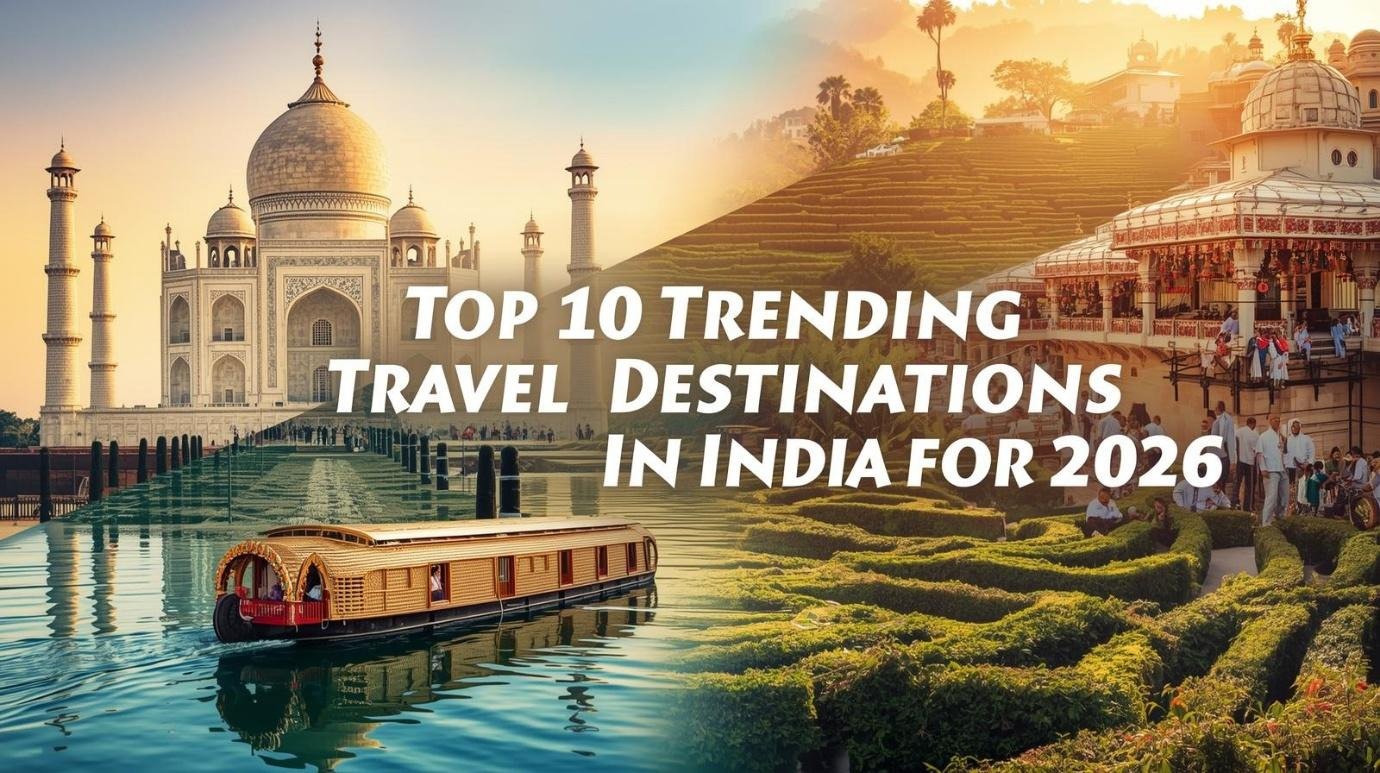
Your India travel plans for 2026 are about to get a major upgrade. This guide is for adventure seekers, culture enthusiasts, and wellness travelers who want to experience India’s most exciting emerging destinations alongside its timeless classics.
India’s travel scene is transforming in 2026. You’ll discover why slow travel and authentic experiences are replacing rushed itineraries, with travelers choosing week-long immersions over quick photo stops. The Indian Himalayas just earned international recognition on American Express Travel’s top 10 trending destinations list, joining Kashmir and Ladakh as must-visit mountain escapes.
You’ll explore how Kashmir has evolved into a winter wonderland with upgraded infrastructure, while Northeast India breaks out as an eco-tourism paradise with living root bridges and one-horned rhinos. We’ll also dive into Rajasthan’s living heritage districts where you can learn traditional crafts, Hampi’s ancient engineering marvels that feel like stepping into another world, and Kerala’s wellness sanctuaries that offer complete digital detox experiences.
Ready to plan your 2026 Indian adventure? Let’s discover the destinations that will define your year of travel.
The 2026 Travel Revolution: Why Slow Travel and Hidden Gems Are Dominating
Understanding the Shift from “Ticking Boxes” to Authentic Experiences
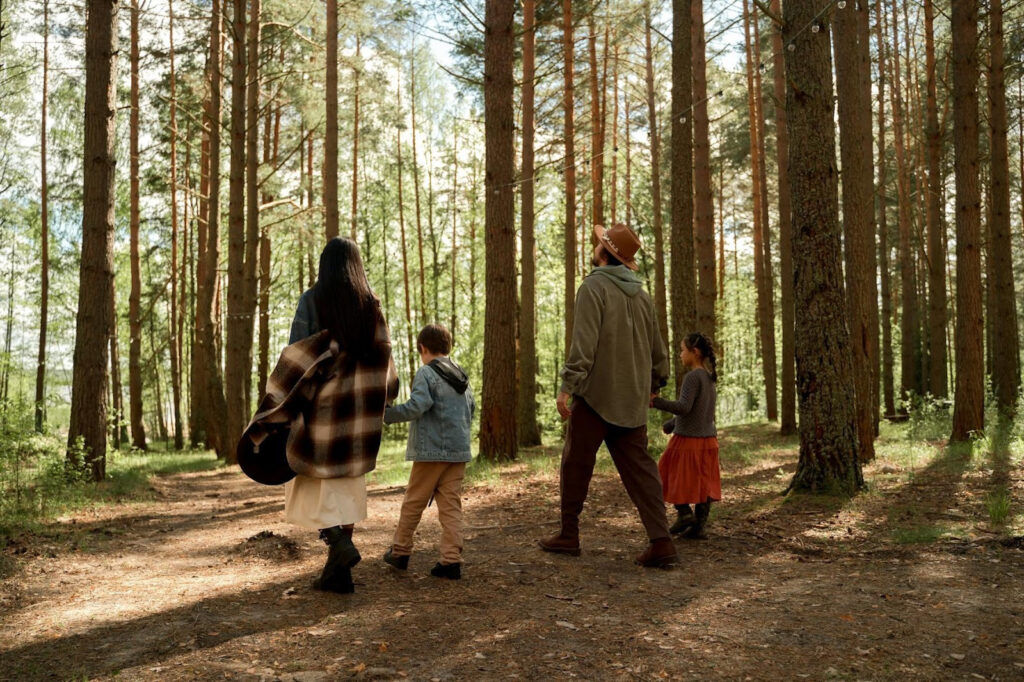
Your approach to travel is fundamentally changing in 2026. Rather than rushing through a checklist of must-see attractions, you’re now prioritizing meaningful connections and authentic cultural immersion. This shift reflects a broader movement away from traditional status-driven travel toward experiences that genuinely resonate with your personal values and interests.
You’ll find that today’s most rewarding journeys focus on depth over breadth. Instead of cramming multiple destinations into a single trip, you’re choosing to spend quality time in fewer places, allowing yourself to truly understand local cultures, traditions, and ways of life. This approach transforms you from a tourist into a temporary resident, creating opportunities for genuine connections with local communities.
The emphasis has shifted toward what industry experts call “whycations” – trips chosen based on your emotional motivations and personal purpose rather than simply following popular travel lists. Whether you’re seeking rest, reconnection, or cultural enrichment, your travel decisions now stem from internal desires rather than external validation.
The Rise of Week-Long Immersive Stays Over Rush Itineraries
Your travel patterns now favor extended, immersive experiences that allow for genuine cultural absorption. Week-long stays have become your preferred format, replacing the frantic multi-city tours that once dominated travel itineraries. This trend toward slower travel enables you to develop routines, discover local hangouts, and experience destinations as locals do.
You’re embracing what the industry calls “Hotel Hop” itineraries – combining multiple stays within a single destination to experience different neighborhoods, atmospheres, and local communities. This approach allows you to maintain the comfort and familiarity you crave while still exploring diverse experiences within one region.
Your planning now prioritizes flexibility and personalization over rigid schedules. You’re using AI tools and technology to surface hidden gems and create open-ended routes that can adapt to your mood and discoveries along the way. This shift toward intentional, longer stays reflects your desire for travel that feels genuinely restorative and enriching rather than exhausting.
The rise of multigenerational travel has also contributed to this trend, as you’re planning trips that accommodate different energy levels and interests while still providing meaningful shared experiences across age groups.
Kashmir and Ladakh: Ultimate Winter and Adventure Destinations

Kashmir’s Resurgent Paradise with Upgraded Infrastructure and Accessibility
Kashmir tourism in 2026 is experiencing an unprecedented boom, making it one of the most sought-after trending travel destinations in India. You’ll find that the region is safer, more accessible, and more vibrant than ever before. New direct flights from major cities have dramatically slashed travel time, while improved infrastructure makes previously hidden valleys easily reachable.
Your journey to Kashmir’s resurgent paradise now benefits from upgraded roads and enhanced connectivity. The tourism infrastructure has been significantly modernized, with better accommodation options ranging from luxurious houseboats on Dal Lake to comfortable mountain resorts. You can now plan your Kashmir winter travel with confidence, knowing that facilities operate year-round in key destinations like Srinagar and Gulmarg.
The region’s transformation includes enhanced safety measures and tourist-friendly services that cater to your every need. You’ll discover that local authorities have invested heavily in making Kashmir more welcoming to visitors, with improved medical facilities, better communication networks, and enhanced transportation services. This infrastructure upgrade means you can explore the authentic soul of Kashmir tourism while enjoying modern amenities and conveniences that weren’t available in previous years.
Ladakh’s Astro-Tourism Revolution at Hanle Dark Sky Reserve
Your adventure in Ladakh now extends beyond traditional sightseeing to include world-class astro-tourism experiences. The Hanle Dark Sky Reserve has positioned Ladakh at the forefront of astronomical tourism, offering you unprecedented opportunities to witness celestial wonders in one of the world’s clearest skies.
At an elevation of over 14,000 feet, you’ll find yourself in an environment with minimal light pollution, creating perfect conditions for stargazing and astrophotography. The reserve’s location near the Indo-China border provides you with access to some of the most pristine night skies on the planet. Professional astronomers and specialized equipment are available to enhance your celestial viewing experience.
Your Ladakh astro-tourism adventure can be combined with visits to ancient monasteries and high-altitude lakes like Pangong Tso, where you can enjoy overnight camping experiences under star-filled skies. The region’s unique geography, positioned between the Himalayas and Karakoram ranges, creates atmospheric conditions that are ideal for astronomical observations throughout much of the year.
Essential Tips for High-Altitude Acclimatization and Safety
Your high-altitude journey in Kashmir and Ladakh requires careful preparation to ensure a safe and enjoyable experience. Acclimatization is crucial when visiting destinations like Leh at 11,490 feet or venturing to higher passes like Khardung La at 18,380 feet.
You should plan to spend at least two days in Leh for proper acclimatization before exploring higher elevations. During this period, avoid strenuous activities and alcohol consumption while increasing your water intake. Your body needs time to adjust to the reduced oxygen levels at these altitudes.
Essential Safety Measures:
- Carry sufficient cash as ATMs are limited in remote areas
- Pack appropriate layers for varying temperatures, even during summer
- Include waterproof clothing and sturdy footwear in your gear
- Bring personal medications and basic first aid supplies
- Plan buffer time for weather delays and road conditions
You’ll need to obtain Inner Line Permits (ILP) for certain areas like Nubra Valley due to their proximity to international borders. Your accommodation should be booked in advance, especially during peak season from May to September. Remember that weather conditions can change rapidly at high altitudes, so flexible planning is essential for your mountain adventure.
When traveling to destinations like Pangong Tso, you should start early in the morning to avoid afternoon road blockages caused by melting snow. Your journey through these spectacular landscapes requires patience and respect for the challenging terrain.
Rajasthan’s Living Heritage and Hampi’s Ancient Engineering Marvels
Jaipur’s Evolution into Modern Craft Hub with DIY Cultural Experiences
Jaipur continues to evolve as a dynamic center where traditional craftsmanship meets contemporary cultural experiences. The city’s artisan quarters now offer immersive workshops where you can participate in age-old techniques like block printing, pottery, and jewelry making. These hands-on experiences provide authentic connections to Rajasthan’s living heritage, allowing you to understand the intricate processes behind the region’s renowned crafts.
The Pink City’s markets have transformed into interactive cultural hubs where master craftsmen demonstrate their skills while you observe and learn. You’ll find yourself drawn into the rhythmic sounds of metalworkers creating brass artifacts or the delicate precision required for miniature painting. These DIY cultural experiences offer deeper appreciation for Rajasthan’s artistic traditions than traditional sightseeing alone.
Udaipur and Jodhpur’s Old Money Luxury Appeal
Udaipur and Jodhpur have emerged as premier destinations for discerning travelers seeking authentic luxury rooted in royal heritage. The palace hotels in these cities offer you experiences that blend historical grandeur with modern amenities, creating an atmosphere of timeless elegance.
In Udaipur, you’ll discover lakeside palaces that have been carefully preserved to maintain their original architectural integrity while providing contemporary comfort. The city’s luxury offerings extend beyond accommodation to include private heritage walks, traditional boat rides on Lake Pichola, and exclusive dining experiences in palace courtyards.
Jodhpur’s blue-painted old city provides the perfect backdrop for luxury experiences that feel genuinely connected to the region’s history. You can explore the magnificent Mehrangarh Fort with private guides who share stories passed down through generations, then retreat to heritage properties that offer panoramic views of the ancient cityscape.
Hampi‘s Ancient-Tech Circuit and Backpacker-Friendly Boulder Landscapes
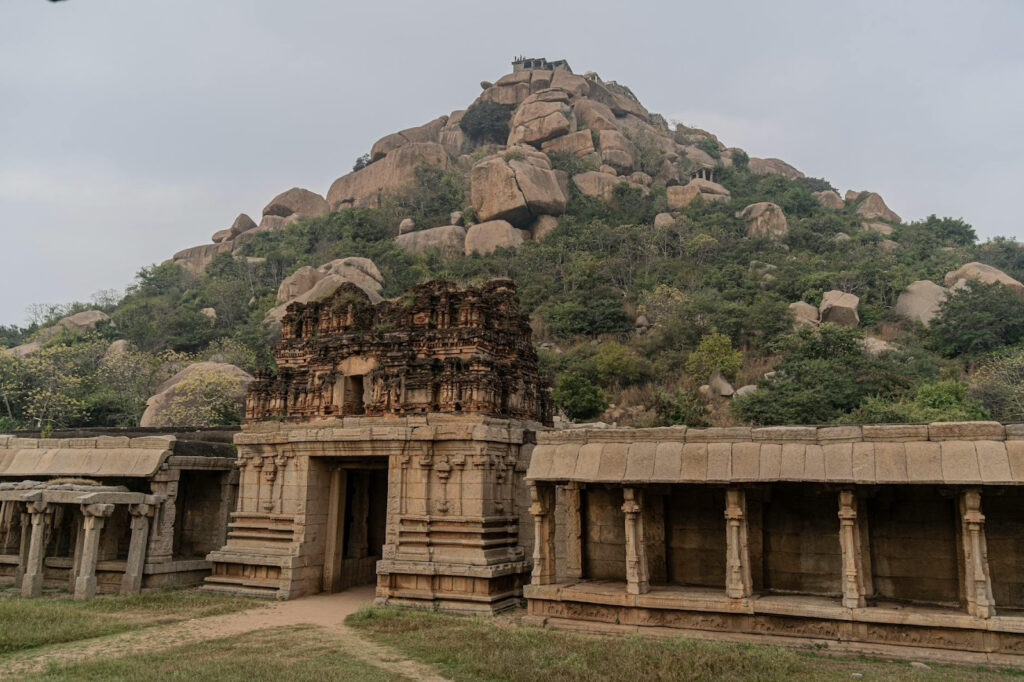
Now that we’ve explored Rajasthan’s royal heritage, Hampi presents a completely different yet equally compelling historical experience. This UNESCO World Heritage site offers you remarkable insights into the engineering marvels of the Vijayanagara Empire through its ancient-tech circuit of temples and monuments.
You’ll be amazed by the sophisticated acoustic engineering demonstrated in structures like the musical pillars, which produce distinct notes when tapped. The famous stone chariot stands as an iconic testament to the advanced craftsmanship of ancient Indian architects. Your exploration of these ruins reveals complex water management systems and urban planning concepts that were centuries ahead of their time.
The boulder-strewn landscape surrounding Hampi’s ruins creates a unique setting that appeals strongly to backpackers and adventure travelers. These massive granite formations provide natural climbing opportunities and stunning sunset viewpoints. You can easily spend multiple days exploring the vast archaeological site, with many travelers recommending at least three days to fully appreciate the intricate details of the temple complexes.
Local guides enhance your understanding significantly, as the site’s complexity can be overwhelming without proper context. Reviews consistently highlight how knowledgeable guides bring the history to life through folklore, legends, and historical facts that transform scattered ruins into a coherent narrative of one of India’s most powerful medieval empires.
Northeast India’s Breakout Status as Eco-Tourism Paradise
Meghalaya’s Bio-Engineering Wonders and Living Root Bridges
Now that we’ve explored the mainstream destinations, you’ll discover that Northeast India represents a revolutionary approach to eco-tourism that’s captivating global travelers. Meghalaya, meaning “abode of the clouds,” offers you an extraordinary experience through its living root bridges (Jingkieng Jri), which have recently been included in UNESCO’s World Heritage Site tentative list.
These remarkable structures showcase centuries-old indigenous engineering that you won’t find anywhere else in the world. The Khasi people have created these bridges by guiding the aerial roots of rubber fig trees across streams, representing a perfect symbiosis between human ingenuity and nature. You can explore these bio-engineering marvels across 72 villages in East Khasi Hills and West Jaintia Hills districts, where each bridge demonstrates functional sustainability that has lasted generations.
When you visit Mawlynnong, Asia’s cleanest village located 90 km from Shillong, you’ll witness how community-based eco-tourism creates authentic experiences. The village boasts a 100% literacy rate and maintains its pristine environment through traditional bamboo dustbins and organic waste management. Your stay here offers insights into the matrilineal Khasi society while supporting local agricultural communities whose main crop is betel nut.
For your accommodation, you can choose the Maple Pine Farm in Mawphlang village, a self-sustained farmhouse built by Canadian resident James Perry. This completely off-grid property harnesses electricity through solar panels and windmills, providing you with an authentic eco-tourism experience surrounded by grazing horses and accessible forest trails leading to the Sacred Grove.
Assam’s Wildlife Sanctuaries and Jorhat-Majuli River Island Culture
Previously exploring Meghalaya’s natural wonders, you’ll find Assam offers equally compelling eco-tourism experiences centered around wildlife conservation and cultural preservation. Kaziranga National Park, which attracted 327,493 visitors in 2023-24 and generated INR 881.8 lakh in revenue, provides you with opportunities to witness the world’s largest population of one-horned rhinoceros along with tigers, elephants, and diverse bird species.
At Manas National Park, you can experience the richest wildlife diversity among all Indian protected areas according to the World Conservation Monitoring Center. The Manas-Maozigendri Jungle camp offers you four cottages in ethnic architecture, where 31 local Bodo community members provide services as staff and guides. You’ll engage with authentic Bodo culture through their traditional rice wine ‘Zu Mai,’ colorful handwoven ‘dokhonas’ and shawls, and expert bamboo craftsmanship.
Your journey to Majuli, the world’s largest inhabited river island, immerses you in Assamese Vaishnavite culture that has flourished for five centuries. The island serves as Assam’s cultural capital, where you can explore ancient ‘Satras’ preserving historical artifacts including weapons, utensils, and jewelry. The Mishing tribal community’s internationally renowned handloom work showcases exquisite cotton and Muga silk weaving techniques that you can witness firsthand.
For accommodation, La Maison de Ananda provides you with bamboo cottages built on stilts, replicating traditional Mishing architecture. You’ll enjoy authentic Assamese and Mishing cuisine including the local rice brew ‘apong,’ while participating in guided visits to Neo-Vaishnavite monasteries, birdwatching excursions, and cycling tours through paddy fields to perfect sunset viewing spots.
Ziro Valley’s Music Festival Scene and Tribal Experiences
With the foundation of wildlife and cultural tourism established, you’ll discover that Northeast India’s eco-tourism potential extends to unique festival experiences that blend music, culture, and sustainable travel practices. While specific details about Ziro Valley weren’t extensively covered in the reference materials, the region’s broader commitment to community-based tourism and cultural preservation provides you with frameworks for authentic tribal experiences.
The Northeast’s approach to sustainable tourism, exemplified by Mizoram’s Responsible Tourism Policy introduced in August 2020, emphasizes community participation and local livelihood support. This model contributes to remarkable growth – Mizoram recorded a surge from 0.219 million tourists in 2023-24 to 0.524 million tourists in 2024-25, with industry projections suggesting a 20-25% increase in tourist arrivals for 2025.
You can engage with various tribal communities across the region through homestay experiences that provide authentic cultural immersion while supporting local economies. The Singpho Community Based Ecotourism Society (SCES) at Margherita represents this approach, offering you traditional Singpho architecture, organic cuisine including rice steamed in bamboo sticks, and cultural demonstrations during the ‘Shapawng Yawng Manau Poi’ festival.
Similarly, the Tai-Phake Ecotourism Camp at Tipam Village demonstrates how remote communities transform themselves into sustainable tourism destinations. You’ll experience traditional bamboo cottages, authentic cuisine served by village women, and opportunities for trekking, fishing, and river boating while supporting community-driven conservation efforts in the Dehing Patkai Wildlife Sanctuary.
Kerala and Varanasi as Premier Wellness and Spiritual Renewal Destinations
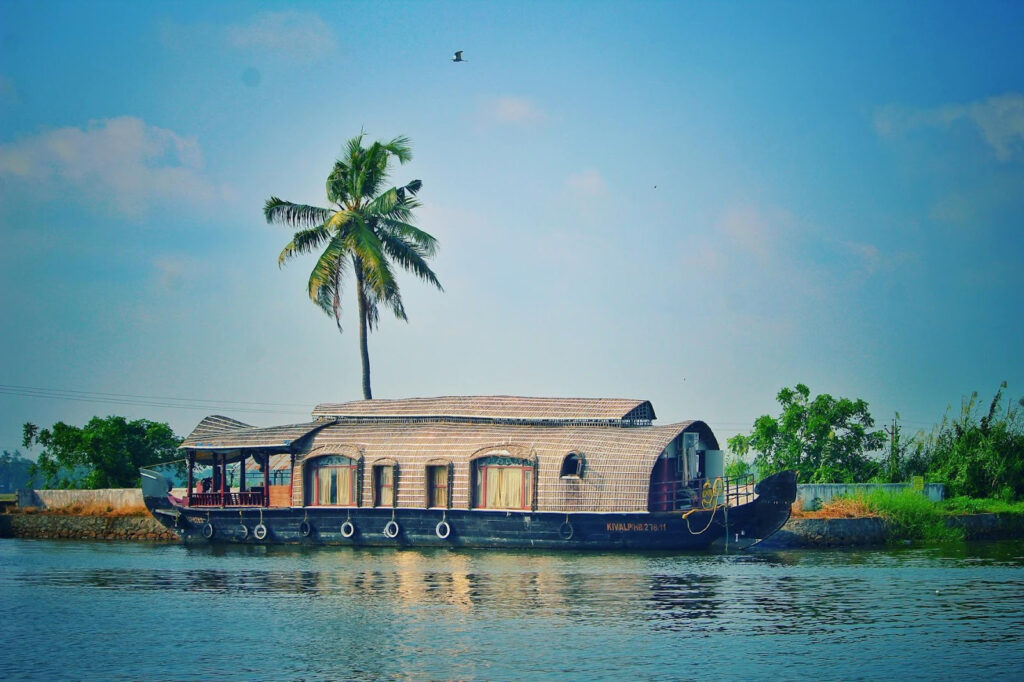
Kerala‘s Global Wellness Sanctuary Status with Ayurvedic Retreats
Kerala has firmly established itself as a premier wellness tourism destination, drawing visitors from across the globe seeking authentic Ayurvedic treatments and holistic healing experiences. As you plan your 2026 travel itinerary, Kerala’s wellness offerings present an unparalleled opportunity to rejuvenate your body and mind through traditional practices that have been refined over thousands of years.
The state’s reputation as a wellness sanctuary stems from its authentic Ayurvedic centers that offer comprehensive detoxification and rejuvenation programs. When you visit Kerala, you’ll discover specialized treatments including traditional body massages, Elakizhi (therapeutic leaf massages), rice bolus massages, and the deeply relaxing Sirodhara treatment. These ancient therapies are designed to analyze your unique body type and provide personalized healing solutions.
Varanasi‘s Transformation with Kashi Vishwanath Corridor Development
Now that we’ve explored Kerala’s wellness offerings, Varanasi emerges as another transformative destination for spiritual renewal and wellness tourism in 2026. The city has undergone significant development with the Kashi Vishwanath Corridor project, enhancing accessibility while preserving its sacred essence.
Your spiritual journey in Varanasi can be complemented by authentic Ayurvedic treatments at established centers like Sparsa Ayurvedic Centre, which has been serving international visitors since 2004. When you visit this ancient city, you’ll find specialized therapies including Januvasti, Netra tarpan, and unique treatments like leech application therapy for purifying blood and treating specific conditions such as skin diseases and gout arthritis.
Digital Detox Opportunities in Backwater Houseboat Experiences
With this spiritual foundation in mind, Kerala’s backwater houseboat experiences offer you the perfect digital detox opportunity. These serene waterways provide a natural escape from modern connectivity, allowing you to fully immerse yourself in bio-purification therapies including herbal enema therapy, sinus cleaning, and colon cleanse treatments.
The combination of Kerala’s tranquil backwaters and Varanasi’s spiritual energy creates an ideal environment for your wellness journey, positioning both destinations as essential stops for anyone seeking authentic wellness tourism experiences in 2026.
Indian Himalayas’ International Recognition and Appeal
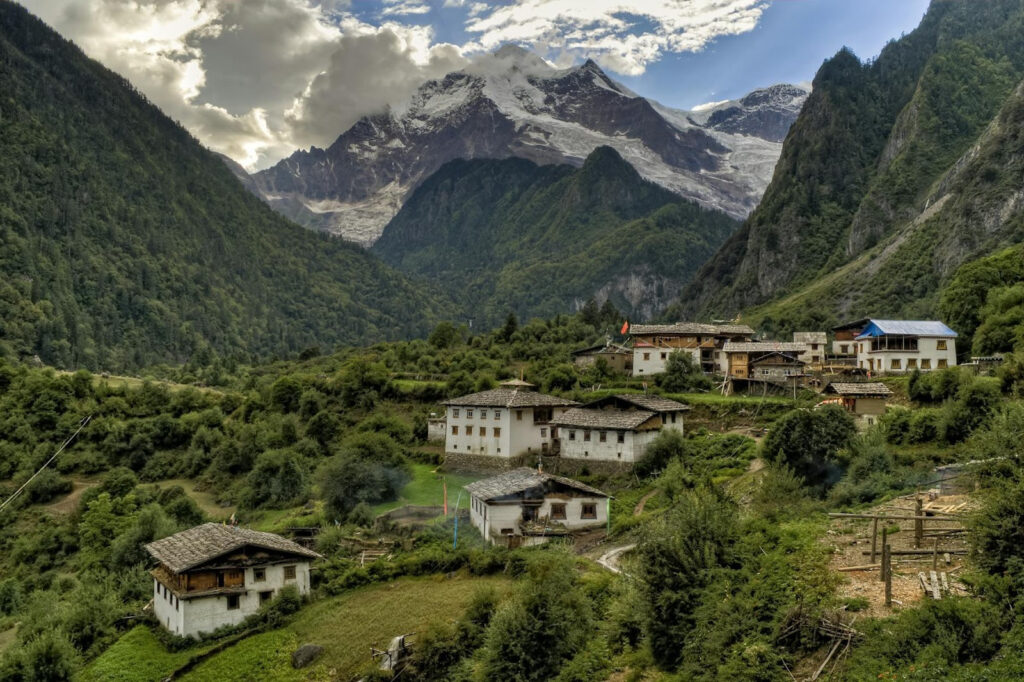
American Express Travel’s Top 10 Global Trending Destinations Recognition
Previously, I’ve touched on the growing appeal of India’s mountain regions, and now we’ll explore a remarkable global recognition that solidifies the Indian Himalayas’ status as a world-class destination. In 2026, your travel choices just got validated on an international scale – the Indian Himalayas adventure travel destination has earned its place among American Express Travel’s Top 10 Global Trending Destinations for 2026.
This prestigious ranking, compiled using global card member bookings and insights from the company’s travel consultants, places the Indian Himalayas alongside destinations like Killarney in Ireland, Las Vegas, Marrakech in Morocco, and Japan’s Okinawa Islands. What makes this recognition particularly significant is that it reflects real booking patterns from travelers worldwide, not just marketing hype.
The announcement highlights a crucial shift in your travel preferences – 89% of travelers in a 2025 Amex Travel survey reported feeling more excited when visiting destinations they’ve never explored before. This trend toward seeking new and first-time experiences positions the Indian Himalayas perfectly for your 2026 travel plans, offering you authentic mountain adventures far from overcrowded tourist circuits.
Nature Escapes and Adventure Tourism Growth in Mountain Regions
With this global recognition in mind, you’ll find that the Indian Himalayas represent exactly what modern travelers are seeking – nature escapes combined with adventure-filled experiences. Your journey through this vast mountain region spans multiple states including Himachal Pradesh, Uttarakhand, Sikkim, and Arunachal Pradesh, each offering you distinct experiences that cater to the growing demand for authentic mountain tourism.
In Himachal Pradesh, you can explore classic hill towns like Shimla and Manali, or venture into the high, rugged terrains of Lahaul and Spiti. These regions attract you with their raw mountain scenery, serene villages, ancient monasteries, and dramatic drives through some of India’s loftiest passes. Uttarakhand offers you a spiritual dimension to mountain travel, with pilgrimage routes to Kedarnath and Badrinath, while Rishikesh and Haridwar serve as wellness destinations for yoga practitioners and spiritual seekers.
Your adventure options expand further in Sikkim, where you’ll discover a combination of tea gardens, high-altitude lakes, and breathtaking vistas of Mount Kanchenjunga. Popular locations like Gangtok, Pelling, and Lachung provide you with peaceful mountain towns showcasing striking natural beauty. For those seeking truly unexplored territories, Arunachal Pradesh remains one of India’s more untouched Himalayan regions, where places like Tawang and Ziro offer you ancient monasteries, indigenous cultures, and tranquil atmospheres away from mainstream tourist circuits.
Comparison with Other International Trending Mountain Destinations
Now that we’ve covered the specific appeal of the Indian Himalayas, let’s examine how this destination compares with other mountain regions on the global trending list. Your choice of the Indian Himalayas over other mountain destinations offers unique advantages that set it apart from international competitors.
When compared to the San Juan Mountains in Colorado, which also made the top 10 list, the Indian Himalayas provide you with a more diverse cultural experience. While Colorado offers excellent skiing and outdoor activities, your Himalayan journey combines adventure tourism with spiritual experiences, ancient monasteries, and indigenous cultures that span multiple states and traditions.
| Destination | Primary Appeal | Cultural Depth | Adventure Options |
|---|---|---|---|
| Indian Himalayas | Snow-dusted peaks, diverse landscapes, spiritual experiences | Ancient monasteries, indigenous cultures, pilgrimage sites | Trekking, skiing, high-altitude drives, monastery visits |
| San Juan Mountains, Colorado | Skiing, mountain scenery | Limited cultural immersion | Skiing, hiking, mountain biking |
| Killarney, Ireland | Lakes, national parks | Historic castles, Ring of Kerry | Walking trails, scenic drives |
The striking scenery of sweeping snow-dusted peaks, dramatic valleys, and high-altitude landscapes positions the Indian Himalayas as offering you both the natural beauty found in other mountain destinations and the added dimension of deep cultural immersion. Unlike other mountain regions on the trending list, your Himalayan experience encompasses everything from peaceful escapes in unexplored regions to adventure-filled activities across multiple distinct geographical and cultural zones.
This combination of natural grandeur and cultural richness explains why the Indian Himalayas have captured global attention, offering you a mountain destination that delivers both the scenic beauty you seek and the authentic, transformative experiences that define modern luxury travel.
Smart Planning Strategies for Maximum Experience Value
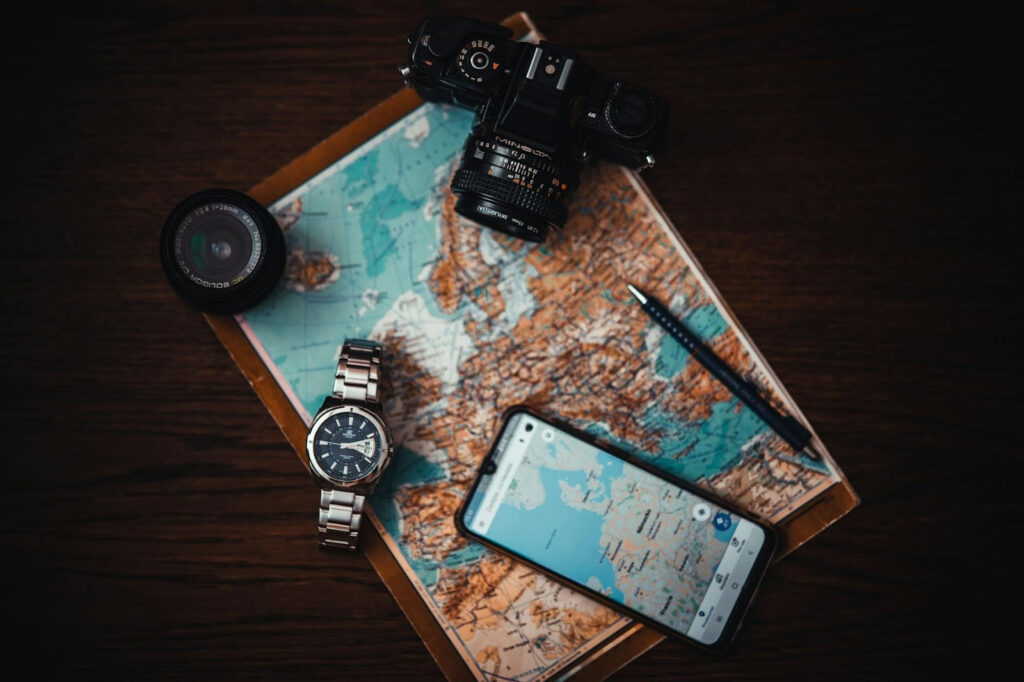
Budget-Friendly Travel Under 10,000 Rupees Using Hostels and Local Transport
When planning your 2026 journey to India’s trending destinations, you can experience incredible adventures on a budget of under INR 10,000 for extended trips. As a budget traveller, you’ll find India offers exceptional value with daily costs ranging from INR 3,000-4,000 (35-50 USD) per person, covering accommodation, transport, meals, and activities.
Accommodation Strategies
Your accommodation budget can stretch remarkably far by choosing India’s expanding hostel network. Properties like Zostel and The Hosteller offer clean, safe dormitory beds for INR 400-750 per night across popular destinations from Jaipur and Delhi to Kerala’s Alappuzha. These hostels provide excellent opportunities to connect with fellow travelers while maintaining comfort standards that budget hotels often can’t match at similar prices.
For private rooms, budget hotels offer options between INR 500-1,500 per night, though cleanliness and safety may vary. Always inspect rooms personally when possible, as you can find decent accommodations for INR 750-1,500 that include breakfast and basic amenities.
Transportation Mastery
Your transportation strategy should center on India’s extensive railway network, budgeting approximately INR 1,200 daily for travel expenses. Overnight sleeper trains become your secret weapon, eliminating accommodation costs while covering long distances between trending destinations like Kashmir, Rajasthan, and Northeast India.
Book train reservations 120 days in advance through platforms like 12GoAsia to secure the lowest fares. Choose air-conditioned three-tier or fan-cooled sleeper carriages over expensive first-class options. When trains aren’t available, local buses provide economical alternatives, though comfort levels vary significantly.
Within cities, utilize rideshare apps like Uber and Ola for transparent pricing, or use prepaid taxi stands at airports and stations to avoid tourist pricing. For short distances, negotiate fair rates with autorickshaw drivers before starting your journey.
Weather and Regional Timing Considerations for Different Destinations
Now that we’ve covered budget strategies, timing becomes crucial for maximizing your experience value across India’s diverse climate zones. Your travel dates significantly impact both costs and comfort levels, making strategic planning essential for 2026’s trending destinations.
Seasonal Cost Variations
Travel during April often offers the cheapest flight prices, though temperatures can soar above 32°C in popular destinations like Rajasthan, Kerala, and Tamil Nadu. The cooler winter months from November to March represent peak season with higher accommodation and transport costs but optimal sightseeing conditions.
The monsoon season from June to September brings lower prices across most regions, except in places like Ladakh where peak season coincides with snow-melted summer months. Many beach resorts close during monsoons, while mountain areas become impassable in winter due to snow-blocked roads.
Regional Timing Strategies
For Kashmir and Ladakh winter adventures, plan visits between December and February for winter sports, or June to September for trekking when mountain passes open. Rajasthan’s heritage sites are best explored during cooler months, avoiding the intense April-May heat that makes sightseeing uncomfortable.
Northeast India’s eco-tourism experiences peak during post-monsoon months (October-March) when weather remains pleasant and wildlife viewing opportunities increase. Kerala’s wellness tourism thrives year-round, though monsoon months offer Ayurvedic treatment discounts despite occasional travel disruptions.
Plan around major festivals like Durga Puja in Bengal, which create massive price surges for accommodation and transport. Always check the Indian government’s festival calendar and book well ahead if you’re specifically traveling to witness celebrations.
Avoiding Common Mistakes with Geography and Time Management
With timing considerations established, understanding India’s vast geography prevents costly planning errors that can derail your 2026 adventure. Many travelers underestimate distances and overestimate travel speeds, leading to rushed itineraries and missed experiences.
Geographic Reality Checks
India’s scale demands realistic travel planning. A common mistake involves trying to cover too many trending destinations without considering transit times. For example, traveling from Kashmir to Kerala requires either expensive flights or multiple overnight journeys that consume precious sightseeing time.
Instead of attempting all ten trending destinations, focus on geographic clusters. Combine Kashmir and Ladakh with other Himalayan destinations, or explore Rajasthan’s heritage sites alongside nearby Hampi’s ancient marvels. This clustering approach reduces transportation costs while allowing deeper regional exploration.
Time Management Solutions
Book accommodation and transport well in advance to avoid last-minute surge pricing. Use overnight travel strategically to save accommodation costs while maximizing daylight hours for activities. Premium trains like Duronto and Rajdhani include meals, adding value to higher-priced tickets.
Consider hiring shared cars with drivers for day trips, splitting costs among fellow travelers you meet at hostels. This approach often costs less than organized tours while providing maximum flexibility to explore off-the-beaten-path locations.
Always maintain emergency funds beyond your planned budget for unexpected flight changes, natural disasters, or health concerns. Keep both Indian Rupees and your home currency available, especially in remote areas where ATM access may be limited.
Purchase local SIM cards from providers like Jio or Airtel to avoid expensive roaming charges, making online bookings and navigation significantly easier throughout your journey.
As we move through 2026, your travel choices reflect a deeper shift toward meaningful experiences over checkbox tourism. Whether you’re drawn to the raw beauty of Ladakh’s Dark Sky Reserve, the living heritage of Rajasthan’s craft districts, or the bio-engineering marvels of Meghalaya’s root bridges, India offers you authentic encounters that feed your soul rather than just your social media feed. The recognition of the Indian Himalayas among the world’s top 10 trending destinations confirms what savvy travelers already know – this is your year to discover the unexplored corners that offer genuine transformation.
Your 2026 Indian adventure isn’t just about where you go, but how deeply you immerse yourself. Embrace the slow travel revolution by spending a full week in each region, allowing yourself to wake up without alarms in a Kerala backwater or acclimatize properly in Leh before conquering those high passes. As you plan your journey through this living museum of experiences, remember that responsible travel – supporting local artisans, respecting cultures, and choosing sustainable options – ensures these hidden gems remain pristine for future explorers. Your perfectly curated bucket list awaits, promising memories that go far beyond the ordinary.
- Nothing Phone 4a: Is It Actually Worth the Hype for Indian Buyers?
- Renault Duster 2026: Everything You Need to Know Before Booking
- Trending Summer Kurta 2026: The 10 Styles That Are Ruling Instagram Right Now
- Holi Skin Rescue 2026: The Ayurvedic Routine That Actually Works After Colors
- Samsung Galaxy S26 vs iPhone 17 Pro Max: Which One Should Indians Buy in 2026?
About the Author