
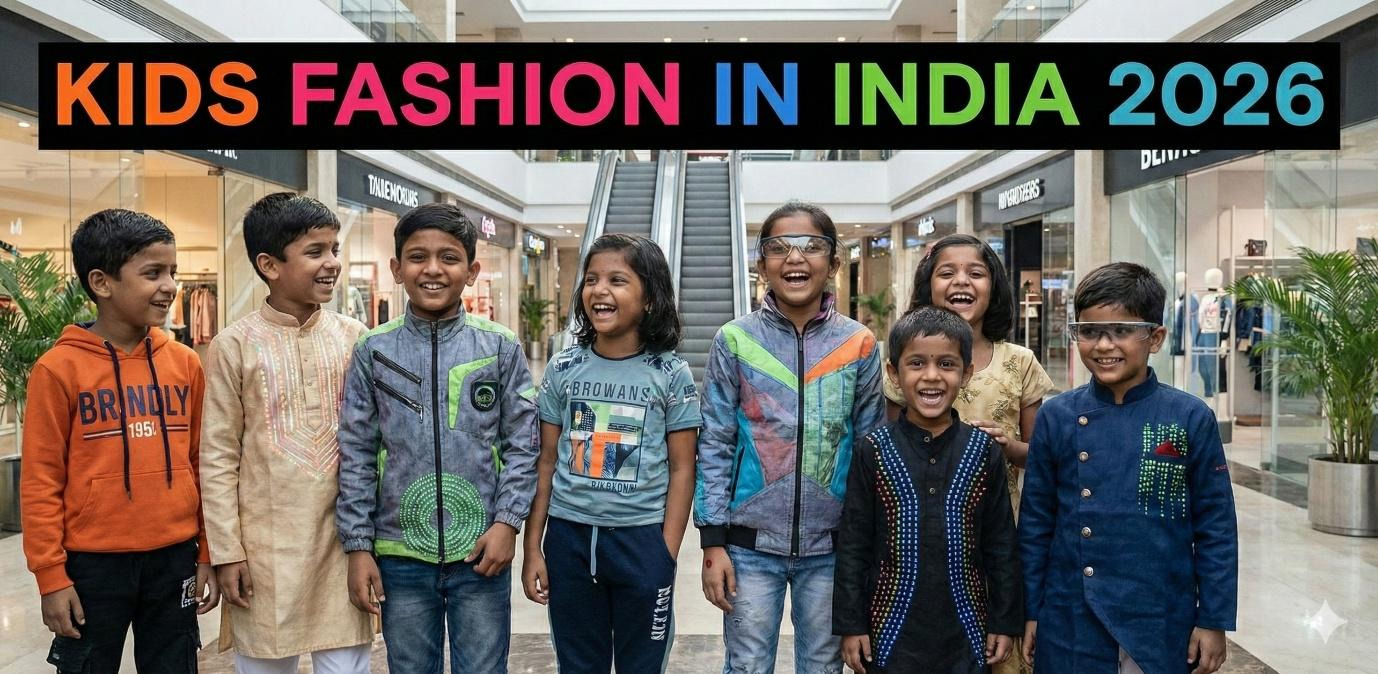
Understanding the Growing Kids Fashion Market in IndiaRising Consumer Spending Power and Fashion Awareness
Rising Consumer Spending Power and Fashion Awareness
You’re witnessing a remarkable transformation in India’s kids fashion landscape, driven primarily by evolving consumer spending patterns and heightened fashion consciousness among parents. Your purchasing decisions today reflect a significant shift from purely functional clothing choices to style-conscious investments in your children’s wardrobes. This change stems from increased disposable income among Indian families, particularly in urban areas, where you’re now willing to allocate a larger portion of your budget toward premium children’s clothing.
Your awareness of fashion trends has expanded dramatically, influenced by global exposure through various media channels and international travel. You no longer view children’s clothing as temporary necessities but as expressions of style and personality. This mindset shift has created a more sophisticated market where you actively seek out brands that offer both quality and aesthetic appeal for your children.
Increasing Influence of Digital Media on Children’s Style Preferences
Digital platforms have revolutionized how you and your children discover and engage with fashion trends. The increasing influence of digital media is evident through initiatives like IKFW’s customised digital campaigns and advertisements on its social media platforms, which boast a reach of 300k+. These platforms directly impact your children’s style preferences, as they’re exposed to diverse fashion content that shapes their clothing choices from an early age.
Your children now have direct access to fashion inspiration through social media, influencer content, and digital advertising, making them active participants in fashion decision-making rather than passive recipients of your choices. This digital exposure creates more informed young consumers who express specific preferences and influence your purchasing decisions.
Expansion of Organized Retail and E-commerce Platforms
You’re experiencing unprecedented convenience and variety through the rapid expansion of organized retail chains and e-commerce platforms dedicated to children’s fashion. These platforms provide you with access to both domestic and international brands, creating a competitive marketplace that benefits your shopping experience through better prices, quality, and service standards.
The growth of online shopping has particularly transformed your buying behavior, offering you detailed product information, customer reviews, and easy comparison tools that weren’t available in traditional retail environments. You can now access premium children’s fashion from the comfort of your home while enjoying features like easy returns, size exchanges, and doorstep delivery.
Key Fashion Trends Shaping Children’s Wardrobes
Sustainable and Eco-friendly Clothing Materials
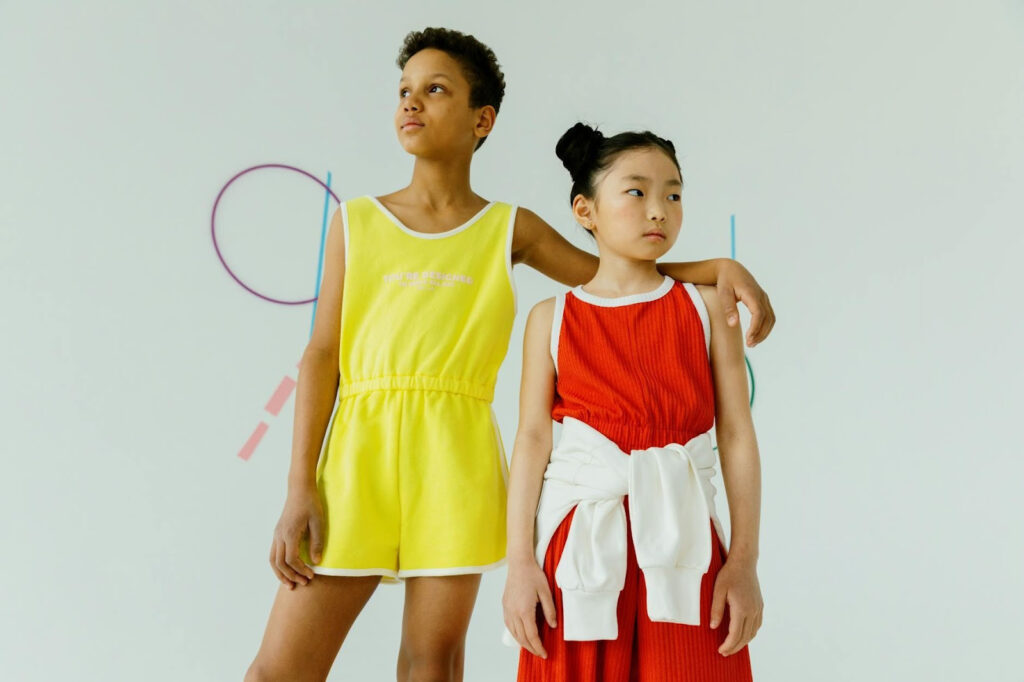
As you navigate the evolving landscape of children’s fashion in India, you’ll notice sustainability taking center stage in your wardrobe choices. The shift toward eco-friendly materials reflects your growing environmental consciousness and desire to make responsible purchasing decisions for your children. Organic cotton, bamboo fiber, and hemp-based fabrics are becoming your preferred choices, offering both comfort and environmental benefits.
You’re increasingly seeking brands that prioritize chemical-free dyes and water-efficient manufacturing processes. These sustainable options not only protect your child’s sensitive skin but also contribute to reducing the fashion industry’s environmental footprint. The durability of eco-friendly materials ensures that your investment in children’s clothing extends beyond single-season use, making them cost-effective choices for your family budget.
Gender-neutral and Inclusive Design Approaches
Your approach to children’s fashion is embracing inclusivity like never before. Gender-neutral designs are revolutionizing how you think about children’s clothing, moving beyond traditional pink-and-blue stereotypes. You’re discovering versatile pieces that work equally well for all children, featuring neutral color palettes, comfortable fits, and designs that prioritize functionality over gender-specific styling.
This inclusive approach extends to adaptive clothing designs that accommodate children with different physical needs. You’ll find brands creating clothing with magnetic closures, seated-fit designs, and sensory-friendly fabrics that ensure every child can dress comfortably and confidently. These inclusive design principles are reshaping your purchasing decisions and expanding your understanding of what children’s fashion can represent.
Technology-integrated Smart Clothing Features
Your children’s wardrobes are becoming smarter with technology integration. Smart clothing features are transforming how you monitor your child’s health, safety, and activity levels through their everyday wear. Temperature-regulating fabrics adjust to your child’s body heat, ensuring optimal comfort throughout different activities and weather conditions.
You’ll encounter garments with built-in UV protection, moisture-wicking properties, and even basic health monitoring capabilities. These technological advances provide you with peace of mind while offering your children enhanced comfort and functionality in their daily wear.
Fusion of Traditional Indian Elements with Contemporary Styles
Your fashion choices are beautifully blending India’s rich cultural heritage with modern aesthetics. You’re seeing traditional motifs, embroidery techniques, and silhouettes reimagined for contemporary children’s wear. Block prints, mirror work, and regional textile traditions are being incorporated into everyday clothing, creating unique pieces that celebrate Indian craftsmanship while meeting modern lifestyle needs.
This fusion approach allows you to introduce your children to their cultural roots through fashion while ensuring they feel comfortable and stylish in diverse social settings. You’ll find kurta-style tops paired with jeans, traditional prints on modern silhouettes, and regional weaving techniques applied to contemporary designs, creating a distinctive Indian identity in global fashion trends.
Major Players and Brands Driving Market Innovation
International brands entering the Indian market
Previously, we’ve seen how the Indian kids fashion market has evolved significantly. Now that we understand this growth trajectory, you’ll notice that international brands are recognizing India as a crucial expansion territory. While global fashion houses continue to explore the Indian market, their entry strategies are becoming increasingly sophisticated as they seek to capture the growing demand for quality children’s apparel.
Homegrown designers creating culturally relevant collections
With this evolution in mind, next, we’ll see how India Kids Fashion Week (IKFW) has emerged as a pivotal platform for local talent. When you examine the landscape of homegrown designers, you’ll find that IKFW provides a top-notch fashion runway and experience designed to elevate brands and foster a sense of achievement. This platform offers you, as a designer or brand owner, opportunities to expand your market reach through comprehensive marketing and networking activities Pan India.
The culturally relevant collections emerging from Indian designers reflect your understanding of local traditions, climate requirements, and festival wear preferences. These designers are creating pieces that resonate with Indian families while maintaining contemporary appeal for modern children’s lifestyles.
Celebrity endorsements and influencer collaborations
Now that we have covered the designer landscape, you’ll discover that IKFW provides ‘Show stopper assistance’ to help brands find celebrities and pageant winners for collaborations that resonate with their brand image. This strategic approach allows you to leverage star power effectively, ensuring your brand connects authentically with target audiences.
These collaborations are becoming increasingly important as you navigate the competitive children’s fashion market, where celebrity associations can significantly impact brand perception and consumer trust.
Premium vs affordable segment positioning strategies
Previously, I’ve discussed how platforms like IKFW facilitate brand positioning. When you consider your market entry strategy, you’ll need to understand how both premium and affordable segments utilize such platforms for strategic positioning and market penetration in India’s diverse economic landscape.
Digital Marketing and Social Media Impact
Instagram and Social Platforms Influencing Purchase Decisions
Your purchasing decisions as a parent are increasingly shaped by what you encounter on social media platforms. When you scroll through Instagram, Facebook, or other digital channels, you’re exposed to carefully crafted campaigns that significantly influence your choices in kids’ fashion. Organizations like IKFW have demonstrated this power through their customized digital campaigns and strategic advertisements across their social media handles, which have successfully reached over 300,000 followers.
You’ll notice that these platforms don’t just showcase products; they create experiences that resonate with your parenting aspirations and your child’s desires. The visual nature of these platforms allows you to see how clothing looks in real-life scenarios, making your decision-making process more informed and emotionally connected.
Virtual Fashion Shows and Digital Runway Experiences
As you navigate the evolving landscape of kids’ fashion, virtual fashion shows have become an integral part of how brands present their collections. These digital runway experiences allow you to witness the latest trends from the comfort of your home, making fashion more accessible than ever before. Through these virtual platforms, you can observe how garments move, fit, and complement different body types, giving you valuable insights before making purchasing decisions.
Parent Bloggers and Kid Influencers Driving Trends
Your fashion choices are increasingly influenced by celebrity endorsements and influencer collaborations that have become central to marketing strategies. Programs like IKFW’s ‘Show stopper assistance’ program exemplify this trend by strategically connecting brands with celebrities and pageant winners. When you see these influential figures endorsing specific children’s clothing lines, it creates a powerful impact on your purchasing preferences.
You’ll find that these collaborations extend beyond simple product placement, as they involve authentic storytelling that resonates with your values as a parent while showcasing how these fashion choices can enhance your child’s confidence and style.
Online Styling Services and Personalized Recommendations
Your shopping experience has been transformed through digital platforms that offer personalized recommendations based on your browsing history, preferences, and previous purchases. These sophisticated systems analyze your behavior patterns to suggest clothing items that align with your child’s style preferences and your budget considerations. Through these personalized approaches, you receive curated selections that save you time while ensuring that your choices meet both functional and aesthetic requirements for your child’s wardrobe.
Manufacturing and Supply Chain Developments
Local Production Capabilities and Quality Improvements
Previously, we’ve explored the key market trends shaping children’s fashion, and now we’ll examine how manufacturing capabilities are evolving to meet these demands. Your understanding of local production developments is crucial for navigating the Indian kids fashion landscape in 2026.
You’ll find that domestic manufacturing has undergone significant transformation, with improved infrastructure and skilled workforce development enhancing production quality. Your suppliers are increasingly investing in modern machinery and technology to meet international quality standards while maintaining competitive pricing advantages.
Quality control systems have become more sophisticated, ensuring that your products meet safety regulations and durability requirements specific to children’s wear. You can expect better fabric testing, colorfastness assessments, and stricter adherence to child-safe manufacturing practices.
Fast Fashion vs Sustainable Production Models
With this evolution in mind, you’re now facing critical decisions between fast fashion and sustainable production approaches. Your choice between these models will significantly impact your brand positioning and long-term viability in the market.
Fast fashion models offer you rapid trend adaptation and lower production costs, enabling quick response to changing consumer preferences. However, you must balance this against growing consumer awareness about environmental impact and ethical manufacturing practices.
Sustainable production models present you with opportunities to differentiate your brand while addressing environmental concerns. You can explore eco-friendly materials, ethical labor practices, and circular economy principles that resonate with environmentally conscious parents.
Size Standardization and Fitting Challenges
Now that we have covered production models, your next consideration involves addressing the complexities of children’s sizing standards. You’ll encounter significant challenges in creating consistent sizing across different age groups and body types within the diverse Indian market.
Your sizing strategy must account for regional variations in children’s growth patterns and body proportions. You need to develop comprehensive size charts that accommodate the unique physical characteristics of Indian children while ensuring comfortable fit and appropriate room for growth.
Age-appropriate sizing becomes particularly complex when you consider that children’s growth rates vary significantly. Your approach to sizing must balance current fit with anticipated growth, ensuring parents perceive value in their purchases.
Seasonal Collection Planning and Inventory Management
Previously, I’ve outlined the sizing challenges, and next, we’ll examine how seasonal planning affects your operational efficiency. Your inventory management strategies must align with India’s diverse climate zones and varying seasonal patterns across different regions.
You need to plan your collections considering monsoon seasons, festival periods, and school calendar cycles that drive purchasing patterns. Your inventory planning should account for regional climate variations, ensuring appropriate product mix for different geographical markets.
Effective demand forecasting becomes essential for your success, requiring careful analysis of historical sales data, weather patterns, and cultural events. You must balance inventory levels to avoid stockouts during peak seasons while minimizing excess inventory during slower periods.
Your supply chain flexibility will determine how quickly you can respond to unexpected demand fluctuations or trend changes, making agile inventory management systems crucial for maintaining competitive advantage in the dynamic kids fashion market.
Consumer Behavior and Shopping Patterns
Parent Preferences for Comfort and Durability
When you’re shopping for your child’s clothing, your primary considerations likely revolve around comfort and durability. As a parent in India’s evolving kids fashion market, you understand that children’s active lifestyles demand fabrics that can withstand daily wear and tear while maintaining their child’s comfort throughout the day. You’re increasingly seeking out breathable materials, soft textures, and flexible fits that allow your children to move freely during play and school activities.
Your purchasing decisions are heavily influenced by the longevity of garments, as you want clothing that can survive multiple washes, outdoor adventures, and the general roughness that comes with childhood. You’re willing to invest in higher-quality pieces that offer better value over time rather than frequently replacing cheaper, lower-quality items.
Children’s Involvement in Clothing Selection Decisions
Your child’s opinion now plays a more significant role in clothing purchases than ever before. You’ve likely noticed that even young children express strong preferences about colors, patterns, and styles they want to wear. This shift means you’re navigating between practical considerations and your child’s aesthetic desires when making purchasing decisions.
You’re finding that involving your children in the selection process leads to better acceptance of new clothing items and reduces the likelihood of wardrobe battles at home. However, you still maintain final approval based on quality, appropriateness, and budget considerations.
Festival and Occasion-Specific Purchasing Trends
Your shopping patterns intensify around major Indian festivals and celebrations. During Diwali, Dussehra, and other significant occasions, you prioritize traditional and ethnic wear for your children. You’re likely planning these purchases well in advance, seeking out special collections that blend cultural authenticity with contemporary comfort.
Wedding seasons and family gatherings drive your demand for formal and semi-formal children’s wear, where you balance traditional aesthetics with practical considerations like ease of movement and comfort during long celebrations.
Price Sensitivity and Value-for-Money Considerations
Your approach to kids fashion spending reflects a careful balance between budget constraints and quality expectations. You’re increasingly comparing price points across different brands and retail channels, seeking the best value proposition for your investment. You understand that while premium pricing may offer better quality, you’re also exploring mid-range options that provide adequate durability and style without compromising your household budget.
You’re becoming more strategic about timing your purchases around sales, seasonal discounts, and promotional offers to maximize your purchasing power while still meeting your children’s fashion needs.
Technology Integration in Kids Fashion
Virtual Try-On and Augmented Reality Shopping Experiences
As you explore the evolving landscape of kids fashion retail, you’ll notice that virtual try-on technologies are beginning to reshape how parents and children shop for clothing. These innovative solutions allow you to visualize how garments will look on your child without the need for physical fitting rooms. Through augmented reality applications, you can see realistic representations of clothing items overlaid on your child’s image, helping you make more informed purchasing decisions from the comfort of your home.
When you use these AR-powered shopping experiences, you’re able to reduce the uncertainty that often comes with online clothing purchases for children. The technology enables you to assess fit, color coordination, and style preferences before committing to a purchase, potentially reducing return rates and improving your overall shopping satisfaction.
Smart Fabrics and Wearable Technology Adoption
The integration of smart fabrics into children’s clothing presents you with new possibilities for monitoring your child’s health and activity levels. These advanced textiles can incorporate sensors that track movement, body temperature, and even posture, providing you with valuable insights into your child’s daily activities and well-being.
When you consider wearable technology options for your children, you’ll find that these smart garments are designed to be comfortable and durable enough for active play while maintaining their technological capabilities. The fabrics are engineered to withstand regular washing and wear while continuing to function effectively.
AI-Powered Size Prediction and Fit Recommendations
Your shopping experience benefits significantly from artificial intelligence systems that can predict the most appropriate sizes for your growing child. These AI-powered tools analyze various data points, including your child’s measurements, growth patterns, and historical purchase data, to recommend the optimal size for each garment.
As you navigate online shopping platforms, these intelligent systems help you avoid the common frustration of ordering incorrect sizes. The technology learns from your previous purchases and feedback to continuously improve its recommendations, making your future shopping experiences more accurate and efficient.
Customization and Personalization Options
The technology-driven customization options available to you extend beyond simple monogramming or color selection. Advanced digital platforms now allow you to participate in the design process, choosing from various patterns, cuts, and details to create unique pieces for your child.
When you engage with these personalization platforms, you can input your child’s specific preferences, favorite colors, and style requirements to generate clothing options that reflect their individual personality. This level of customization ensures that your child receives garments that not only fit well but also align with their personal taste and preferences.
These technological innovations collectively transform your approach to children’s fashion shopping, offering you greater control, convenience, and confidence in your purchasing decisions while opening up new possibilities for creating truly personalized wardrobes for your children.
School Uniform and Institutional Clothing Segments
Now that you understand the geographical expansion potential, you should consider the institutional clothing market as another growth avenue. Your focus on school uniforms and institutional wear presents a stable, recurring revenue opportunity that complements your fashion offerings. This segment offers you predictable demand cycles aligned with academic calendars, providing steady cash flow to support your other business initiatives.
Your institutional partnerships can extend beyond traditional schools to include daycare centers, sports academies, and educational institutions. You’ll discover that parents appreciate the convenience of sourcing quality institutional wear from trusted fashion brands, creating cross-selling opportunities for your regular product lines.
Addressing Sustainability and Ethical Production Concerns
With sustainability becoming increasingly important to conscious consumers, you must integrate environmental and ethical considerations into your business model. Your commitment to sustainable practices will differentiate your brand in both domestic and international markets. You’ll need to address concerns about manufacturing processes, material sourcing, and labor practices to meet evolving consumer expectations.
Your sustainability initiatives should encompass the entire value chain, from raw material selection to end-of-life product disposal. You can leverage India’s growing expertise in sustainable textiles and ethical manufacturing to create competitive advantages in markets where these values are highly prioritized by parents making purchasing decisions for their children.
About the Author