
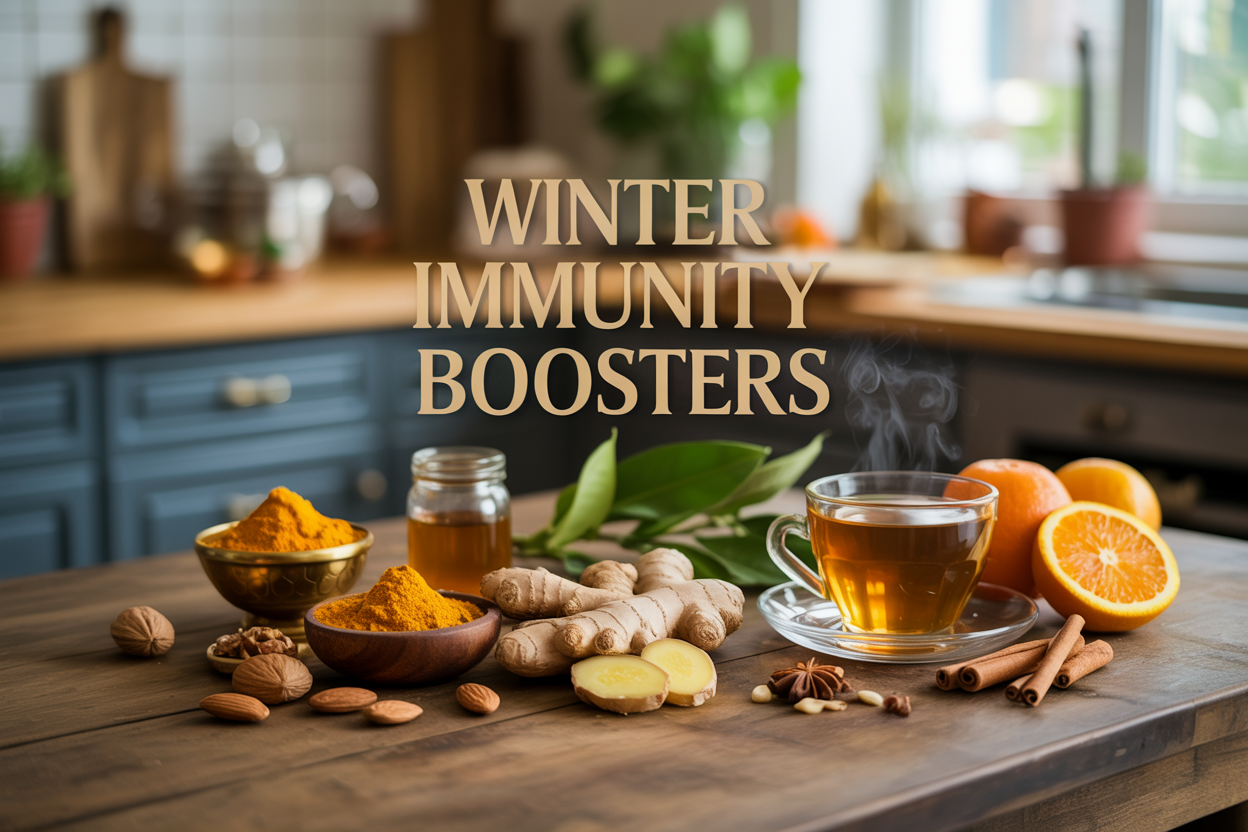
Winter’s arrival in India brings cozy moments and festive celebrations, but it also challenges our immune systems with seasonal infections and changing weather patterns. Cold temperatures and reduced sunlight can weaken your body’s natural defences, making you more susceptible to colds, coughs, and flu.
This guide is for health-conscious Indians seeking natural ways to strengthen their immunity using traditional foods and time-tested remedies. Rather than relying solely on supplements, you can harness the power of immunity boosters for winter that are already part of Indian culture and cuisine.
We’ll explore traditional Indian immunity foods like turmeric, ginger, and amla that have protected generations during winter months. You’ll discover how natural sweeteners such as jaggery and dates can satisfy your cravings while building your defences. We’ll also cover practical meal planning strategies that seamlessly integrate these winter immunity foods into your daily routine, making it easy to stay healthy throughout the season.
These aren’t expensive superfoods from distant lands – they’re affordable, accessible ingredients that grandmothers have used for centuries to keep families strong during India’s winter months.
Traditional Indian Winter Immunity Powerhouses
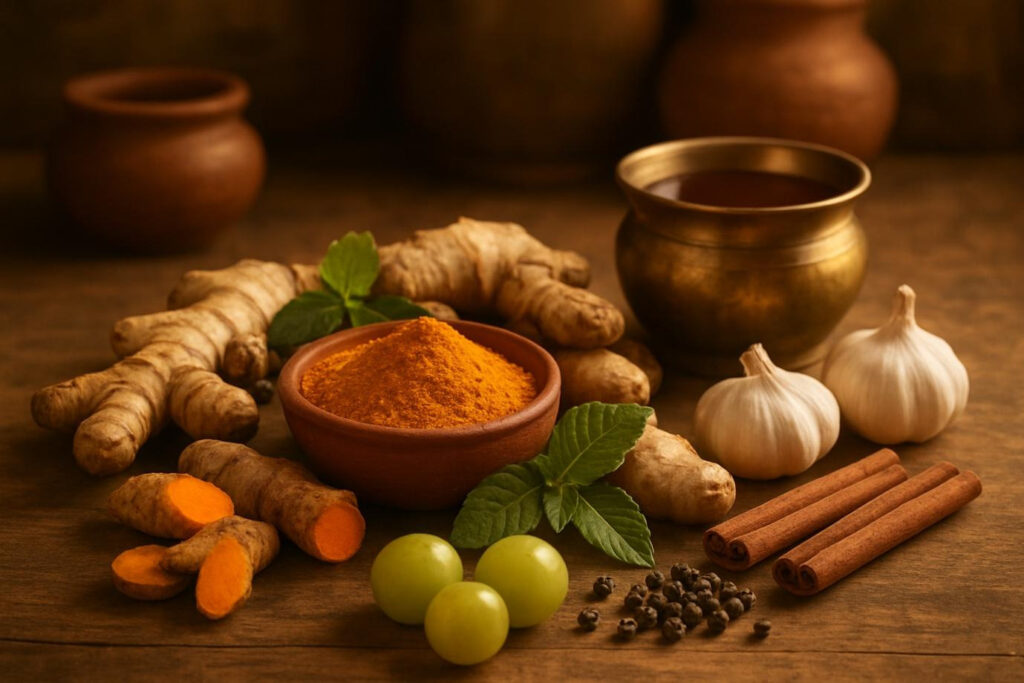
Desi Ghee for Enhanced Nutrient Absorption and Joint Health
Ghee stands as one of India’s most revered winter immunity foods, earning its place as a cornerstone of traditional Indian winter nutrition. This golden elixir serves multiple functions beyond mere cooking – it acts as a natural vehicle for nutrient absorption while providing essential warmth during cold months.
The beauty of desi ghee lies in its ability to enhance the bioavailability of fat-soluble vitamins (A, D, E, and K) from other foods consumed alongside it. When added to winter vegetables or whole grains, ghee ensures maximum nutrient extraction, making it an indispensable immunity booster for winter.
For joint health, ghee provides natural lubrication that becomes particularly important during colder months when stiffness increases. The warming properties help maintain joint mobility and comfort throughout winter.
Usage recommendations:
- Add to rotis, rice, khichdi, and millet bowls
- Drizzle over cooked winter vegetables
- Mix into warm milk before bedtime
- Use as a cooking medium for seasonal preparations
Amla for Maximum Vitamin C and Antioxidant Protection
Amla emerges as nature’s vitamin C powerhouse, containing significantly higher levels than most citrus fruits. This natural immunity booster India has trusted for centuries becomes especially valuable during winter when the body requires enhanced protection against seasonal infections.
The antioxidant profile of amla extends far beyond vitamin C, encompassing tannins and flavonoids that work synergistically to strengthen the immune system. These compounds help combat free radicals while supporting cellular repair mechanisms essential for maintaining winter wellness.
Fresh amla consumption during winter months provides sustained energy and helps maintain healthy digestion – crucial factors for optimal immune function. The fruit’s natural astringency also supports respiratory health, making it particularly beneficial during cold seasons.
Consumption methods:
- Fresh amla juice in the morning
- Amla candy as a daily supplement (2-3 pieces after meals)
- Incorporated into chutneys and preserves
- Mixed with honey for enhanced palatability
Seasonal Winter Vegetables Rich in Beta-Carotene and Vitamin A
Winter brings an abundance of traditional Indian immunity foods in the form of seasonal vegetables that naturally support immune function. Root vegetables like carrots, sweet potatoes, and pumpkins deliver concentrated beta-carotene, which the body converts to vitamin A – essential for maintaining healthy mucous membranes that serve as the first line of defence against pathogens.
These vegetables provide warming qualities that align perfectly with the body’s needs during colder months. Their natural sweetness and dense nutrition make them ideal for creating satisfying winter meals that support sustained immunity.
Cruciferous vegetables available during winter, including cauliflower and cabbage, contribute additional immune-supporting compounds while providing essential fiber for digestive health – a critical component of overall immune function.
Key winter vegetables for immunity:
- Carrots and sweet potatoes (beta-carotene)
- Pumpkin and squash varieties (vitamin A)
- Cauliflower and cabbage (vitamin C and fiber)
- Radish and turnip (antioxidants and minerals)
Leafy Greens for Iron and Respiratory Health
Winter leafy greens serve as exceptional sources of iron, folate, and essential minerals that support healthy blood formation and oxygen transport – critical factors for maintaining energy levels and immune competence during colder months.
Spinach, mustard greens, and fenugreek leaves provide concentrated nutrition while offering natural warmth when cooked with Indian spices for immunity like turmeric, ginger, and garlic. These combinations create synergistic effects that enhance both nutritional value and therapeutic benefits.
The chlorophyll content in these greens supports detoxification processes while providing anti-inflammatory compounds that benefit respiratory health. Regular consumption helps maintain clear airways and supports the body’s natural defence mechanisms against seasonal respiratory challenges.
Optimal preparation methods:
- Sauté with warming spices like cumin and coriander
- Incorporate into soups and broths
- Blend into traditional preparations like sarson da saag
- Add to dal and curry preparations for enhanced nutrition
Natural Sweeteners That Strengthen Your defence System
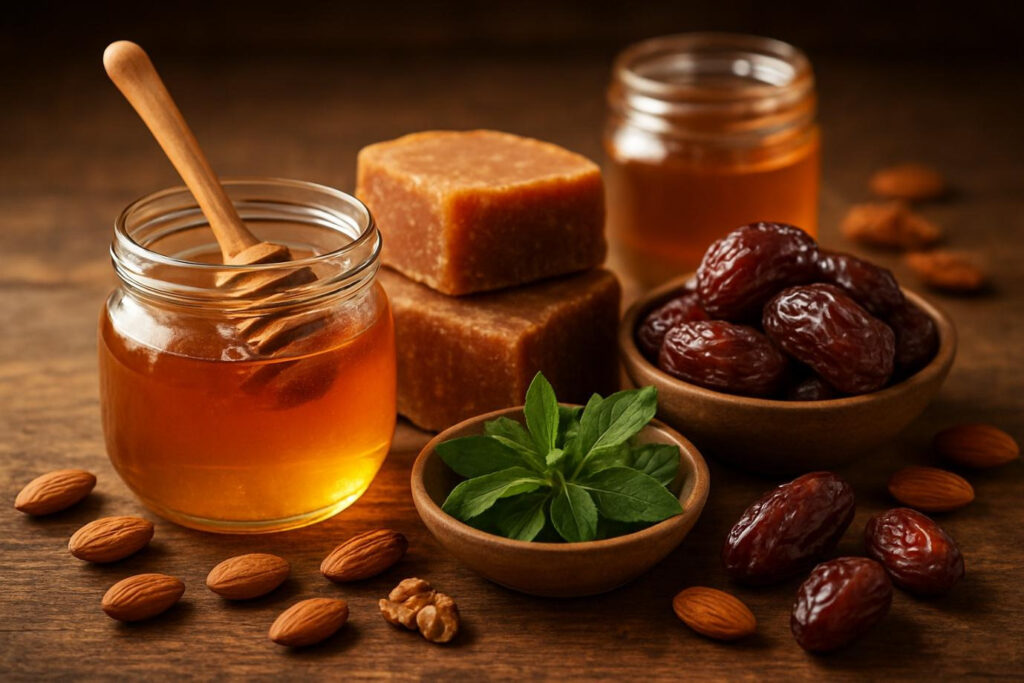
Dates and Jaggery as Healthy Sugar Alternatives
Winter’s natural sweet cravings don’t have to compromise your immune system when you choose the right natural immunity boosters India has traditionally relied upon. Dates and jaggery stand out as exceptional winter immunity foods that satisfy your sweet tooth while actively strengthening your body’s defence mechanisms. Unlike processed sugar that weakens immune function, these traditional sweeteners are nutrient-dense powerhouses that enhance your overall health.
Dates provide a concentrated source of natural energy while delivering essential minerals that support immune function. Their natural sweetness makes them perfect for morning energy balls or chopped into warm porridge, providing sustained energy throughout cold winter days. Meanwhile, jaggery serves as an excellent replacement for refined sugar in your daily chai and winter treats, offering superior nutritional benefits without the immune-suppressing effects of processed alternatives.
Both of these traditional Indian immunity foods work synergistically to support your body’s natural healing processes while providing the comfort food satisfaction your body craves during colder months.
Iron and Magnesium Benefits for Energy and Warmth
The mineral content in dates and jaggery makes them particularly valuable immunity boosters for winter in the Indian context. These natural sweeteners are rich sources of iron and magnesium, two critical minerals that directly impact your energy metabolism and body warmth during cold seasons.
Iron content in both dates and jaggery helps improve hemoglobin levels, ensuring optimal oxygen transport throughout your body. This enhanced circulation is crucial for maintaining body warmth and supporting immune cell function during winter months. The magnesium present in these sweeteners plays a vital role in energy metabolism, helping your body efficiently convert nutrients into usable energy while supporting muscle and nerve function.
These minerals work together to combat the fatigue and sluggishness often experienced during winter months, providing natural energy that keeps you active and resilient against seasonal infections.
Natural Detoxification Properties for Digestive Health
What sets dates and jaggery apart as superior ayurvedic immunity boosters is their remarkable ability to support digestive health through natural detoxification. Both function as natural detoxifiers, helping cleanse your system while promoting optimal digestive function – a cornerstone of strong immunity according to traditional Indian wellness practices.
The natural detoxification properties of these sweeteners help eliminate toxins that can compromise immune function, while their digestive benefits ensure your body can effectively absorb the nutrients from other immunity building foods in your diet. This dual action makes them essential components of any winter wellness routine focused on maintaining robust health.
Regular consumption of dates and jaggery supports healthy gut flora, which is directly linked to immune system strength. By choosing these natural alternatives over processed sugars, you’re actively supporting your body’s ability to fight off seasonal infections while maintaining the energy levels needed for optimal winter wellness.
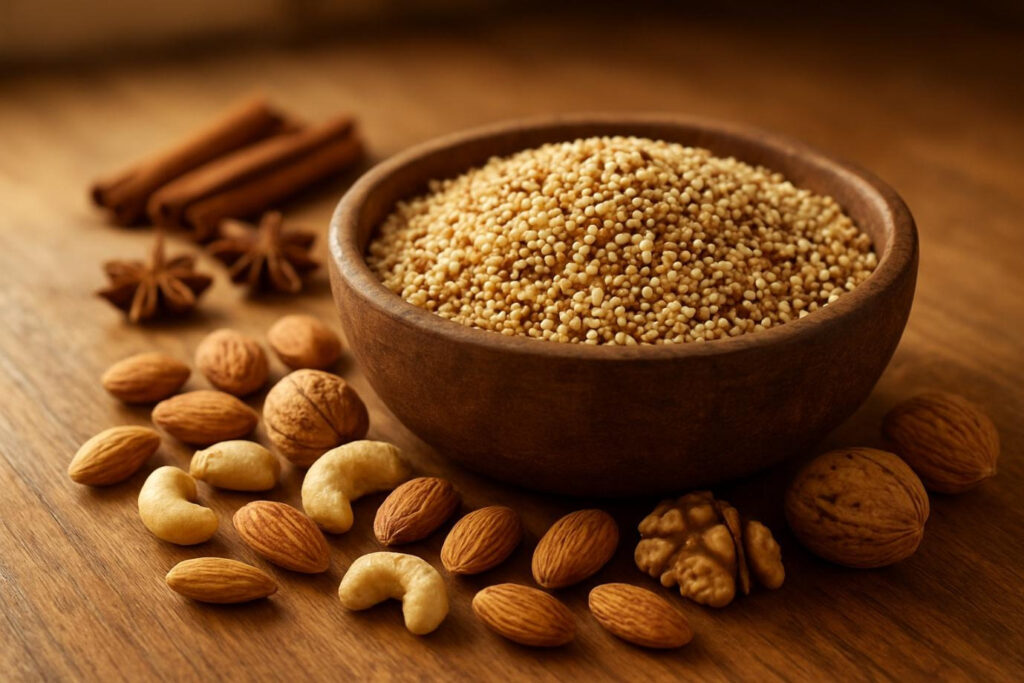
Ancient Grains and Nuts for Sustained Winter Immunity
Millets for Gluten-Free Gut Health Support
Millets stand out as exceptional immunity boosters for winter in India, offering gluten-free alternatives that support digestive health. These ancient grains have remained largely unchanged by selective breeding over centuries, retaining their original nutritional properties that make them perfect for cold weather immunity building.
Bajra (Pearl Millet) generates natural body heat while providing sustained energy throughout winter months. Rich in iron, magnesium, and antioxidants, bajra helps strengthen bones and supports immune function. Traditional preparations like bajra roti or bajra khichdi are excellent ways to incorporate this warming grain into daily winter meals.
Ragi (Finger Millet) delivers triple the calcium content compared to other grains, making it invaluable for winter immunity. With 20% of daily iron requirements, ragi dosa or ragi malt provides essential nutrients while supporting better digestion during colder months when digestive fire tends to weaken.
Jowar (Sorghum) serves as another celiac-friendly option that’s treasured for its ability to thrive in challenging conditions. This versatile grain provides complete protein when combined with pulses like chickpeas, along with B vitamins and iron that support immune system function.
These naturally gluten-free millets are particularly beneficial for those with wheat sensitivities, offering fiber-rich alternatives that promote gut health – a crucial foundation for strong winter immunity in India’s traditional wellness approach.
Nuts and Seeds for Healthy Fats and Protein Power
Now that we’ve covered gluten-free grain options, winter’s nutrient-dense seeds and nuts provide essential healthy fats and proteins that strengthen immune defences. These natural immunity boosters generate body heat while delivering concentrated nutrition perfect for cold weather wellness.
Almonds and Walnuts excel as brain-healthy options that provide sustained energy throughout winter. These nuts contain omega-3 fatty acids crucial for immune function and offer complete protein profiles that support cellular repair and immunity building.
Flaxseeds deliver powerful omega-3 fatty acids and fiber that support immune system function. Their anti-inflammatory properties make them particularly valuable during winter when the body needs extra protection against seasonal challenges.
Sesame Seeds (Til) generate significant body heat while improving skin health – both essential during dry, cold winters. Traditional preparations like til gur laddoos combine these immunity-boosting seeds with warming jaggery for optimal winter nourishment.
Pumpkin and Sunflower Seeds pack impressive amounts of zinc, a mineral directly linked to immune function. These seeds provide concentrated nutrition that’s easily absorbed, making them ideal for daily winter immunity support.
The versatility of these protein-rich foods allows for easy incorporation through smoothie blending, salad sprinkling, or homemade seed mixes combining flax, sesame, and chia for convenient daily immunity boosting.
Fiber-Rich Options for Digestive System Balance
With these protein powerhouses in mind, fiber-rich ancient grains and seeds play a crucial role in maintaining digestive balance – the foundation of strong immunity during winter months. These traditional Indian immunity foods support gut health while providing sustained energy.
Barley contains up to 30% fiber content compared to wheat’s 12%, making it exceptional for blood pressure reduction, cholesterol management, and blood sugar regulation. Its hearty, chewy texture makes it perfect for warming winter soups and salads that support digestive health.
Bulgur surpasses quinoa, oats, millet, and buckwheat in fiber content while registering low on the glycemic index. This makes bulgur excellent for controlling blood sugar levels and maintaining steady energy throughout cold winter days.
Buckwheat provides high levels of soluble fiber that regulates blood sugar while supporting immune function. Its flavonoid compounds help control blood pressure and protect against infections – particularly important during winter months.
Amaranth offers exceptional protein content at 14% while providing substantial fiber that supports digestive health. As a pseudo-cereal, it delivers complete nutrition without the digestive challenges of traditional wheat products.
These fiber-rich options ensure optimal nutrient absorption while maintaining healthy gut bacteria – essential for immune system function. Their ability to provide sustained energy makes them ideal for winter wellness, supporting both digestive balance and immunity building throughout India’s colder months.
Daily Winter Immunity Meal Planning Strategies

Morning Nutrition Routines with Soaked Nuts and Amla
Starting your day with immunity boosting foods for winter sets a strong foundation for optimal health throughout the cold months. Traditional Indian morning routines emphasize soaked nuts, particularly almonds and walnuts, which provide essential healthy fats and proteins that support brain function and heart health while keeping skin soft during harsh winter conditions.
Soaking almonds overnight enhances their digestibility and nutrient absorption. A handful of soaked almonds paired with fresh amla delivers a powerful vitamin C boost – essential for strengthening immunity against winter infections. Amla, being one of the richest natural sources of vitamin C, helps cleanse the respiratory system and fight seasonal coughs and colds.
Consider incorporating warm water with honey as your first drink, followed by soaked nuts and fresh amla juice or murabba. This combination supports metabolism activation while providing sustained energy. The healthy fats from nuts complement the antioxidants in amla, creating a synergistic effect for enhanced winter wellness.
Afternoon Energy Boosters with Sweet Potatoes and Dates
Now that we’ve established morning nutrition foundations, afternoon energy maintenance becomes crucial for sustained winter immunity. Sweet potatoes emerge as excellent afternoon fuel, loaded with fiber, antioxidants, and vitamins that provide sustained energy without causing blood sugar spikes.
These root vegetables offer natural warmth generation and can be prepared as roasted snacks, curries, or even air-fried using modern cooking methods for healthier preparation. Sweet potato chaat provides both nutrition and satisfaction during afternoon energy dips common in winter months.
Dates serve as natural sweeteners that complement sweet potatoes perfectly. Rich in iron and natural sugars, dates help maintain energy levels while supporting overall metabolism. The combination of sweet potatoes and dates creates an ideal afternoon boost that aligns with Ayurvedic principles of eating seasonally and locally.
Consider preparing sweet potato and date combinations in advance, storing them properly for convenient afternoon consumption when energy naturally dips during shorter winter days.
Evening Comfort Foods with Traditional Preparations
With afternoon energy strategies established, evening comfort becomes essential for complete winter immunity support. Traditional Indian winter preparations focus on warm, freshly cooked meals that promote digestion and provide deep nourishment for overnight recovery.
Evening meals should emphasize warm spices like ginger, turmeric, and cinnamon that improve circulation and aid digestion. Herbal teas and kadha made with tulsi, ginger, or cinnamon help fight infections naturally while providing soothing warmth before sleep.
Traditional preparations like bajra khichdi, ragi porridge, or dal with ghee provide the perfect evening nutrition profile. These slow-digesting grains and healthy fats generate internal warmth while supporting overnight cell repair and energy restoration.
The evening routine should include warm milk with jaggery or turmeric, which helps cleanse the respiratory system while promoting restful sleep. Jaggery’s iron content and natural warming properties make it superior to refined sugar for winter evening nutrition.
Cooking methods matter significantly – pressure cooking retains maximum nutrients in grains and lentils, while gentle sautéing with ghee enhances flavor and nutritional absorption. These traditional cooking techniques ensure evening meals provide both comfort and optimal immunity support throughout winter nights.
Practical Tips for Maximum Immunity Benefits
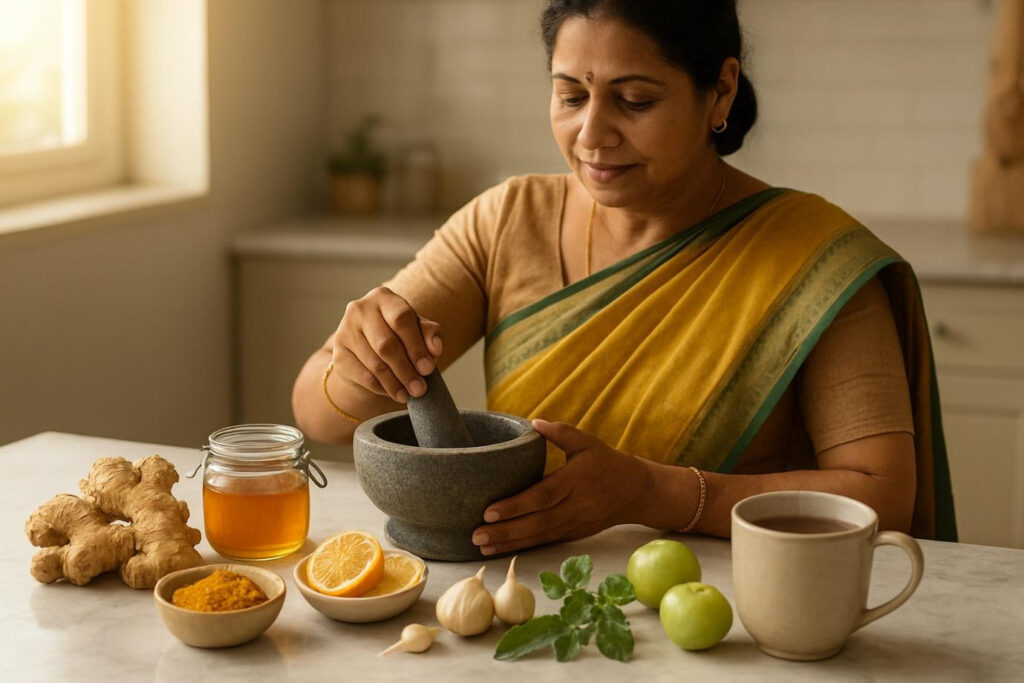
Safe Superfood Guidelines for Children and Families
When incorporating immunity boosters for winter into family meal plans, prioritizing safety becomes essential for optimal health benefits. Fresh fruits and vegetables remain the cornerstone of immune support, providing vital nutrients including beta-carotene, vitamin C, and vitamin E that enhance immune system function. While there isn’t one cure-all “superfood” to create immune superhuman abilities, a diverse range of traditional Indian immunity foods offers comprehensive nutritional support.
For families, focus on age-appropriate portions of winter immunity foods. Children benefit from colorful vegetables like sweet potatoes, carrots, and spinach, which are rich in vitamin A and support mucosal barriers. Citrus fruits, peppers, and broccoli provide essential vitamin C to boost immune cells naturally. When introducing new ayurvedic immunity boosters to children’s diets, start with small quantities to assess tolerance and gradually increase portions.
Ensure proper hydration alongside immune-boosting foods, as adequate water intake supports mucosal barriers and circulation of immune cells. This combination enhances the effectiveness of natural immunity boosters India has traditionally relied upon for winter wellness.
Proper Storage Methods for Fresh Winter Produce
Previously established immunity building foods require proper storage techniques to maintain their nutritional potency throughout winter months. Fresh produce loses vital nutrients when exposed to improper storage conditions, diminishing the effectiveness of natural immunity supplements India’s traditional wisdom has long recognized.
Store vitamin C-rich foods like citrus fruits and peppers in cool, dry environments to preserve their immune-boosting properties. Green leafy vegetables containing vitamin A should be refrigerated promptly and consumed within days of purchase to maintain maximum nutritional value. Root vegetables like sweet potatoes and carrots, staples among Indian spices for immunity, can be stored in cool, dark places for extended periods while retaining their beta-carotene content.
Zinc-rich foods including pumpkin seeds and sesame seeds require airtight containers to prevent oxidation and maintain their white blood cell support properties. Proper rotation of stored produce ensures families consistently access peak nutritional benefits from their winter wellness foods India traditions have perfected over generations.
Diabetic-Friendly Approaches to Natural Sweeteners
Now that we have covered storage essentials, managing blood sugar while incorporating natural immunity boosters requires careful consideration of sweetener choices. Traditional honey and jaggery, while offering immune support properties, need portion control for diabetic family members pursuing winter immunity foods benefits.
Consider using smaller quantities of natural sweeteners when preparing immunity boosting foods for winter, focusing instead on the inherent flavors of ayurvedic immunity boosters like turmeric, ginger, and cinnamon. These spices provide immune enhancement without significantly impacting blood glucose levels.
Moderate alcohol intake, as referenced in immune system guidelines, applies equally to natural sweetener consumption. Balance remains crucial for maintaining optimal immune function while managing diabetes. Combine natural sweeteners with fiber-rich foods to slow glucose absorption, ensuring diabetic family members can safely enjoy traditional Indian immunity foods without compromising their health management goals.
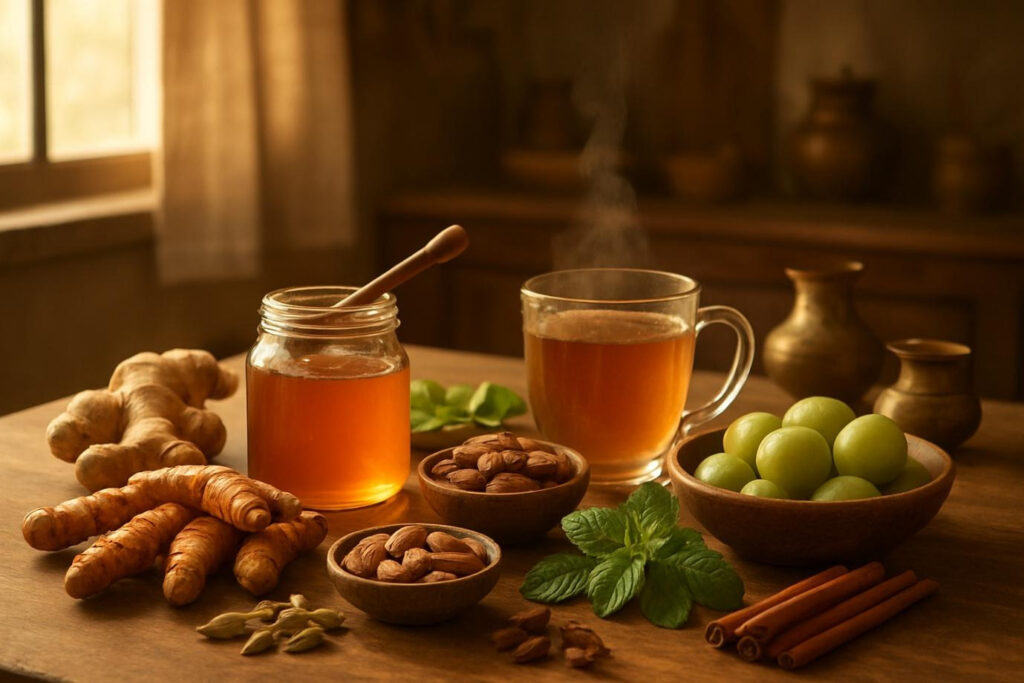
Building robust winter immunity doesn’t require expensive supplements or complicated regimens—the solution lies in time-tested Indian traditions combined with smart daily choices. From incorporating the golden goodness of ghee and the vitamin C powerhouse amla, to embracing ancient grains like bajra and jowar, these natural immunity boosters work together to create a strong defense against seasonal infections. The seasonal vegetables, natural sweeteners like jaggery and dates, along with nutrient-dense nuts and leafy greens, provide a complete nutritional arsenal that keeps your body warm, energized and resilient throughout the cold months.
Here are some popular Indian sites and brand pages where you can follow or shop immunity booster essentials online.
Immunity booster essentials websites in India
| Platform / Brand | Type | Link |
|---|---|---|
| Setu | D2C supplements brand | https://setu.in/collections/immunity |
| Truemeds | Online pharmacy marketplace | https://www.truemeds.in/categories/vitamins-supplements/immunity-boosters-158 |
| Zandu (Zanducare) | Ayurvedic brand | https://zanducare.com/collections/immunity-booster |
| Zeroharm Sciences | Plant-based supplements | https://www.zeroharm.in/collections/immunity-booster-supplements |
| Fast&Up | Sports & daily nutrition | https://in.fastandup.com/collections/immunity-boost |
| Baidyanath Ayurveda | Classical ayurvedic products | https://www.baidyanathayurved.com/collections/immunity-booster |
| Tata 1mg | E-pharmacy & health store | https://www.1mg.com/categories/immunity-boosters-142 |
| OZiva | Plant-based clean nutrition | https://www.oziva.in/collections/immunity |
| Dabur (official store) | Ayurvedic & herbal combos | https://www.daburshop.com/products/immunity-booster-combo |
These links cover a mix of allopathic, nutraceutical, and Ayurvedic immunity boosters, including vitamin C–zinc tablets, chyawanprash, tulsi/giloy juices, probiotics, and plant-based blends.
Your immunity journey starts with simple, consistent choices—begin by adding just one winter superfood to your daily routine and gradually build from there. Combine these powerful foods with adequate hydration, regular exercise, and sufficient sleep for optimal results. Remember, what you consume during winter can either strengthen or weaken your body’s defenses, so make your plate your shield against seasonal ailments. Start today, and your body will reward you with fewer illnesses and sustained energy throughout the winter season.
- Best Air Coolers Under ₹10,000 on Amazon India (2026)
- Cold Showers, Fasting, Dopamine Detox: What Actually Works?
- Nike Sneakers at Crazy Prices on Amazon India March 2026 Deals You Cannot Miss
- Top 10 Trending Kitchen & Home Appliances on Amazon India
- Top 10 Trending Beauty Products on Amazon India, March 2026
About the Author