

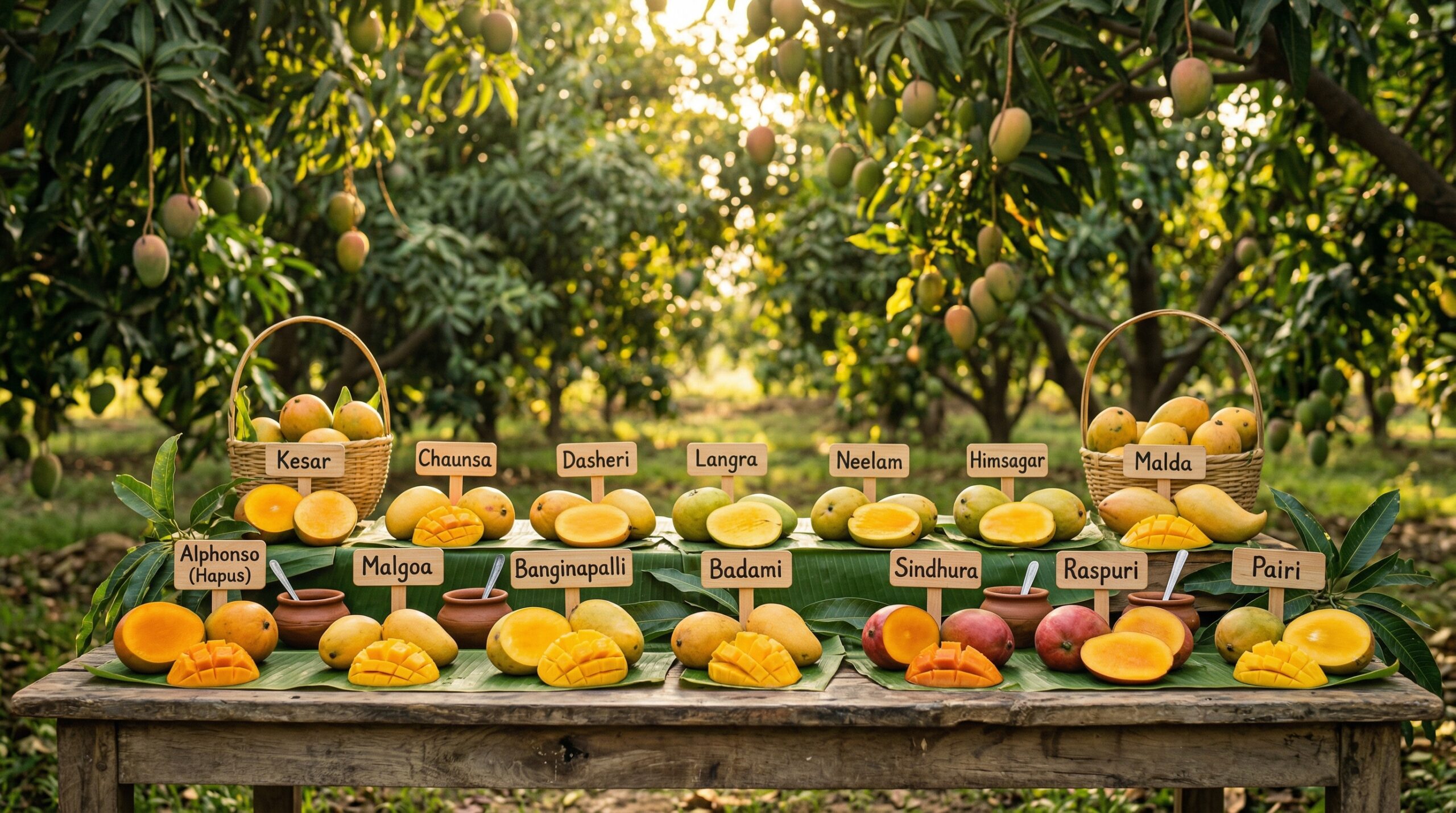
Summer 2026 brings India’s incredible mango season, and you’re about to discover why this country produces the world’s finest mangoes. India grows over 1,500 mango varieties, each with distinct flavors, textures, and best uses that most people never fully explore.
This guide is for mango lovers, home cooks, and food enthusiasts who want to go beyond grabbing any mango from the vendor’s cart. You’ll learn which Indian mango varieties deliver the sweetest flesh for desserts, which ones bring the perfect tangy-sweet balance for drinks and snacking, and how to spot the firm varieties that work best in cooking.
We’ll walk you through premium sweet mango varieties perfect for desserts and fresh eating, including the legendary Alphonso mango and fragrant Kesar mango varieties. You’ll discover tangy-sweet options ideal for beverages and everyday snacking, plus learn how to identify and select each variety so you never waste money on the wrong mango for your needs.
By the end, you’ll know exactly which of these top 15 mangoes India offers will transform your summer cooking and eating experience.
Premium Sweet Mango Varieties Perfect for Desserts and Fresh Eating
Alphonso (Hapus) – The Golden Standard from Maharashtra
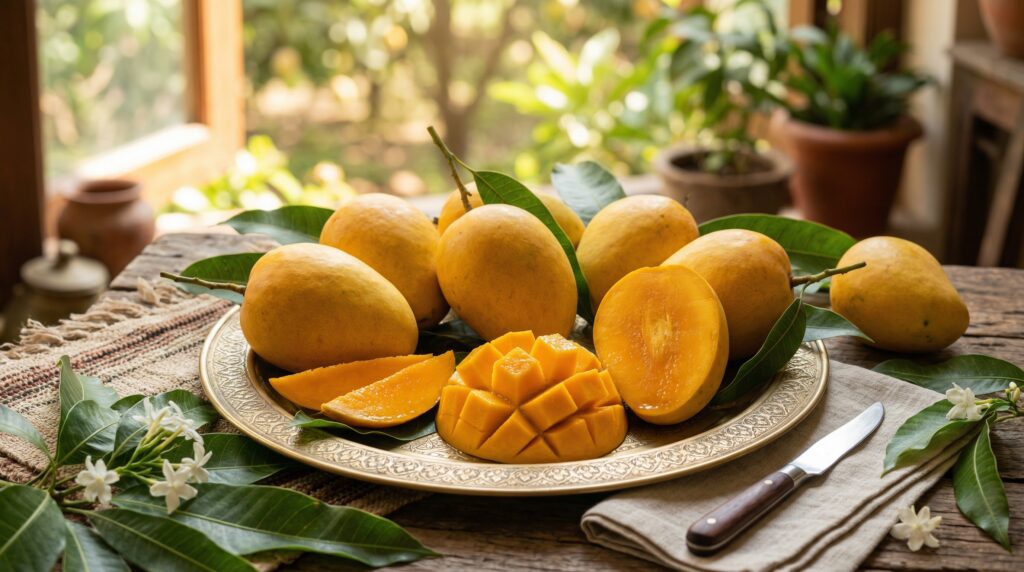
You’ll find no mango more revered than the Alphonso, often called the “king of mangoes” for good reason. This Maharashtra treasure displays bright yellow skin with creamy orange undertones that immediately signals its premium quality. When you bite into an Alphonso, you’ll discover why it’s considered the golden standard – the flesh is exceptionally tender and creamy, with a golden-red hue that melts in your mouth.
What sets Alphonso apart is its incredible flavor profile that balances intense sweetness with subtle complexity. You’ll notice the texture is remarkably smooth, making it one of the most sought-after varieties for desserts. The large size and superior flavor make Alphonso mangoes perfect for creating fruit sorbets and smoothies, where their creamy consistency truly shines.
Kesar – Gujarat’s Saffron-Colored Queen of Mangoes
When you encounter Kesar mangoes from Junagadh, Gujarat, you’ll understand why they’re called the “Queen of Mangoes.” These beauties earned their name from their distinctive saffron-like golden color that catches your eye immediately. You’ll find the sweet, juicy flavors complemented by soft, melt-in-your-mouth pulp that makes every bite memorable.
If you visit Gujarat during mango season, you’ll often see locals plucking and eating Kesar mangoes straight from the tree – a testament to their exceptional taste when perfectly ripe. You can enjoy these mangoes in traditional preparations like mango shrikhand, where their natural sweetness creates the perfect dessert base. The variety also makes excellent juices and lassis, where you’ll appreciate how the distinctive flavor profile enhances any beverage.
Chaunsa – Punjab’s Honey-Sweet Late Season Delight
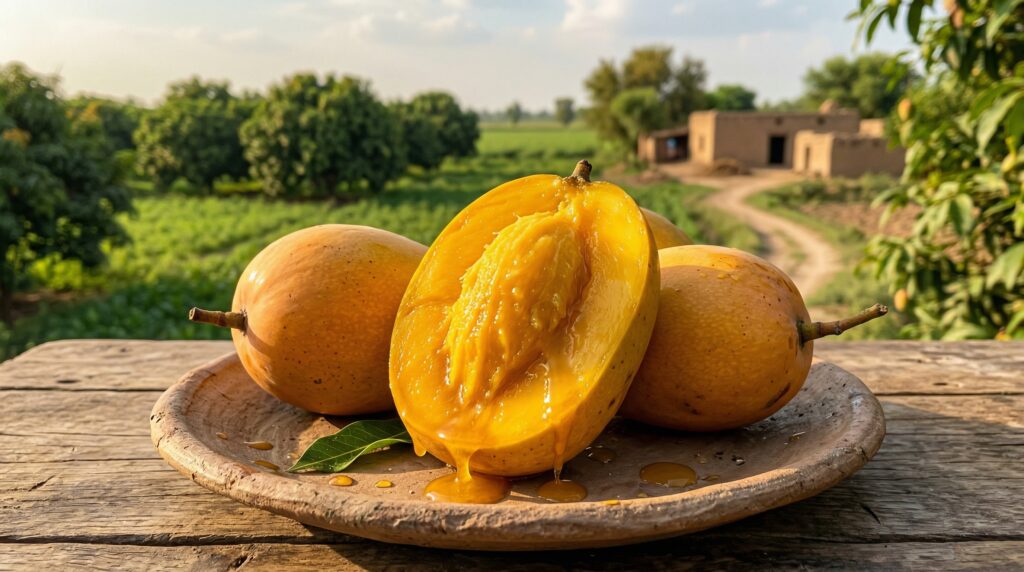
You’ll discover that Chaunsa isn’t just one variety but actually represents a family of incredibly sweet Indian mangoes. If you have an insatiable sweet tooth, Chaunsa varieties will become your favorites due to their exceptional natural fruit sugar content. You can choose from white Chaunsa, honey Chaunsa, and sweet Chaunsa, each offering its own interpretation of intense sweetness.
When you spot Chaunsa mangoes, you’ll recognize them by their pale yellow skin and light red blush exterior. The flesh inside is soft, creamy, and exceptionally sweet – living up to their honey-sweet reputation. As late-season mangoes, you’ll find Chaunsa varieties extending your mango enjoyment well into the summer months when other varieties have finished their season.
Dasheri – Uttar Pradesh’s Aromatic Northern Gem
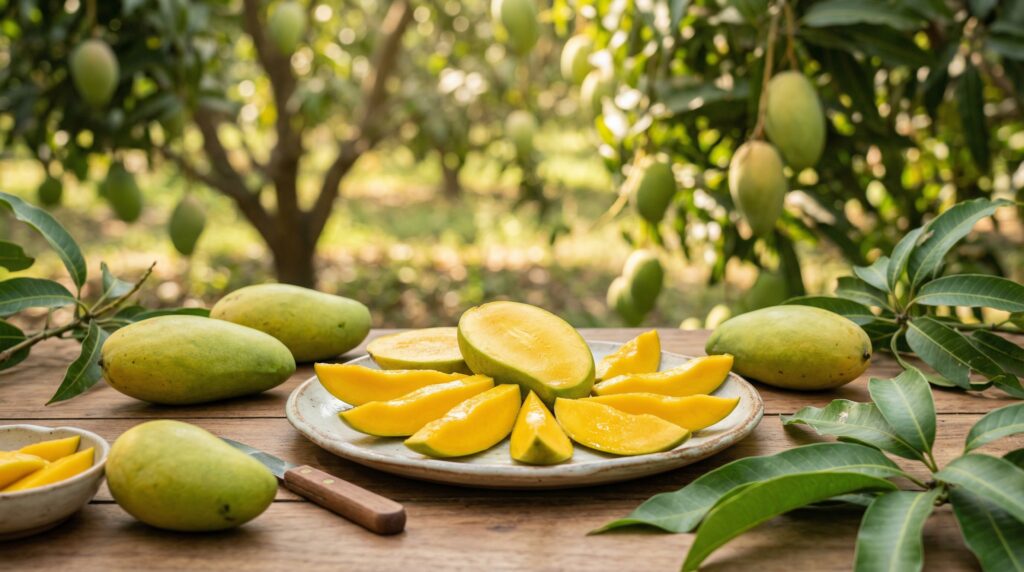
You’ll immediately notice Dasheri mangoes by their fragrant, aromatic scent that hints at the natural juiciness within. These northern Indian treasures from Uttar Pradesh, Nepal, and Pakistan regions offer you an extended growing season, with harvesting times anywhere from May to August. When you find ripe Dasheri mangoes, you’ll see their characteristic light yellow-green hues with peachy flesh.
The moment you pluck a Dasheri mango from the tree, you’ll be greeted by an unmistakable fragrant aroma that promises exceptional flavor. You’ll find these mangoes are beloved throughout northern India as one of the most cherished summer fruits, perfect for fresh eating when you want to experience their full aromatic qualities.
Tangy-Sweet Varieties Ideal for Beverages and Everyday Snacking
Langra – The Green-Skinned Wonder with Perfect Balance
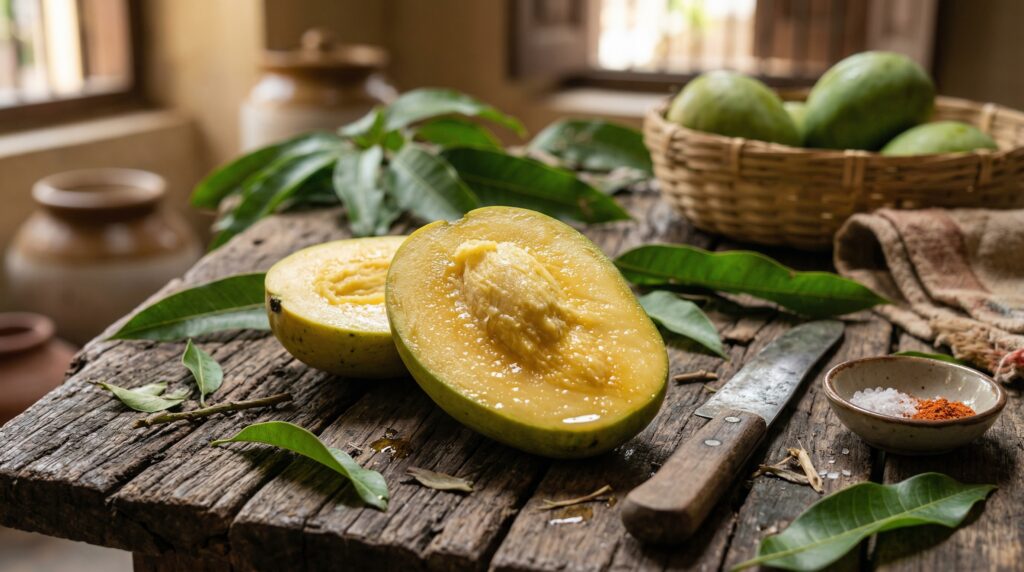
You’ll instantly recognize Langra mangoes by their distinctive green skin that remains unchanged even when perfectly ripe. This unique characteristic makes selecting the right Langra a skill worth mastering – you can’t rely on color changes like other varieties. Instead, you should gently press the fruit to check for slight softness, which indicates optimal ripeness.
What sets Langra apart in the Indian mango varieties category is its exceptional balance of tangy and sweet flavors. When you bite into a ripe Langra, you’ll experience a delightful tartness that perfectly complements its natural sweetness, making it ideal for beverages and everyday snacking. The flesh offers a smooth, non-fibrous texture that melts beautifully in your mouth.
Neelam – South India’s Bright and Zesty Small Mango
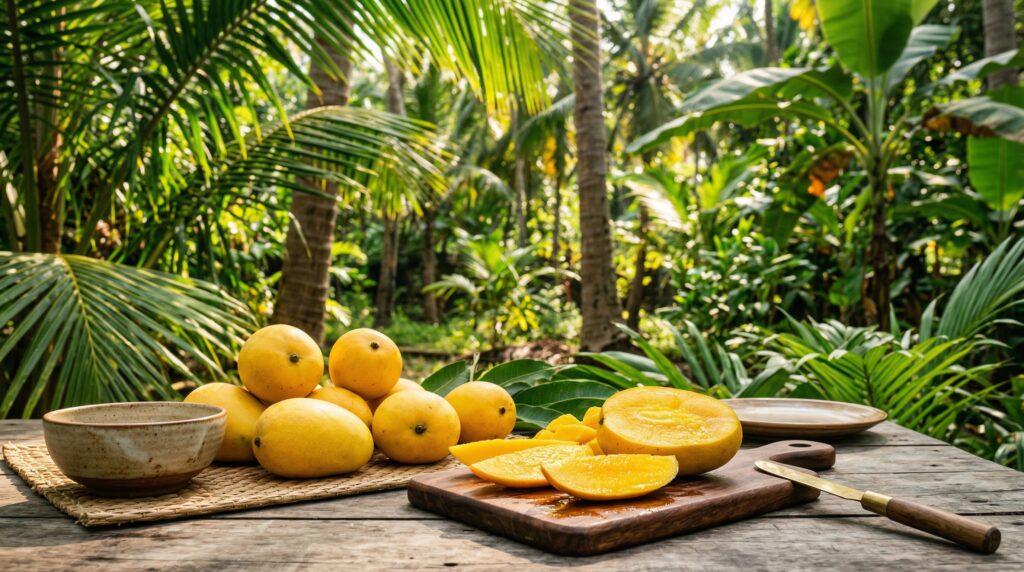
Moving to South India’s contribution to top 15 mangoes India, you’ll find Neelam mangoes are famous for their slight acidity that creates a more complex flavor profile. You can identify genuine Neelam mangoes by their smaller size and the bright, biting acidity that amplifies the sweetness in every bite.
The most coveted Neelam mangoes come from Andhra Pradesh, with prime harvesting season around mid to late June. When you’re looking for summer mangoes 2026, Neelam should be on your priority list. The slight tartness when harvested just before full ripening makes these mangoes perfect for refreshing beverages and creates that coveted sweet-sour flavor experience you’ll crave during hot summer days.
Himsagar – West Bengal’s Medium-Sized Creamy Specialty
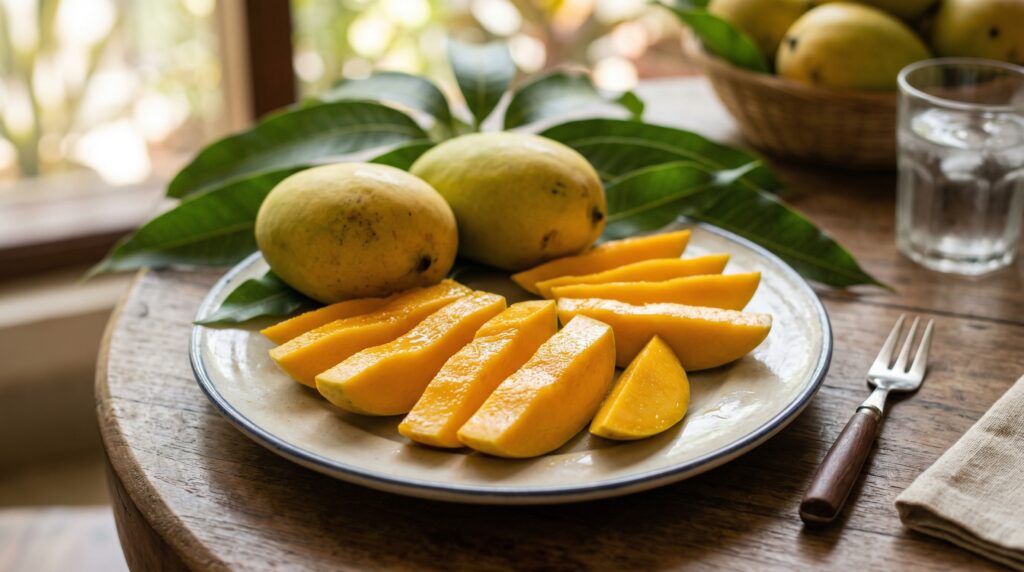
Now that we’ve explored the tangy options, you’ll appreciate Himsagar’s unique position as West Bengal’s pride. These medium-sized mangoes offer you a creamy texture that’s perfect for blending into smoothies and lassis. The flesh provides a rich, velvety consistency that makes every bite luxurious.
Malda – Bihar’s Non-Fibrous King with Sweet Aroma
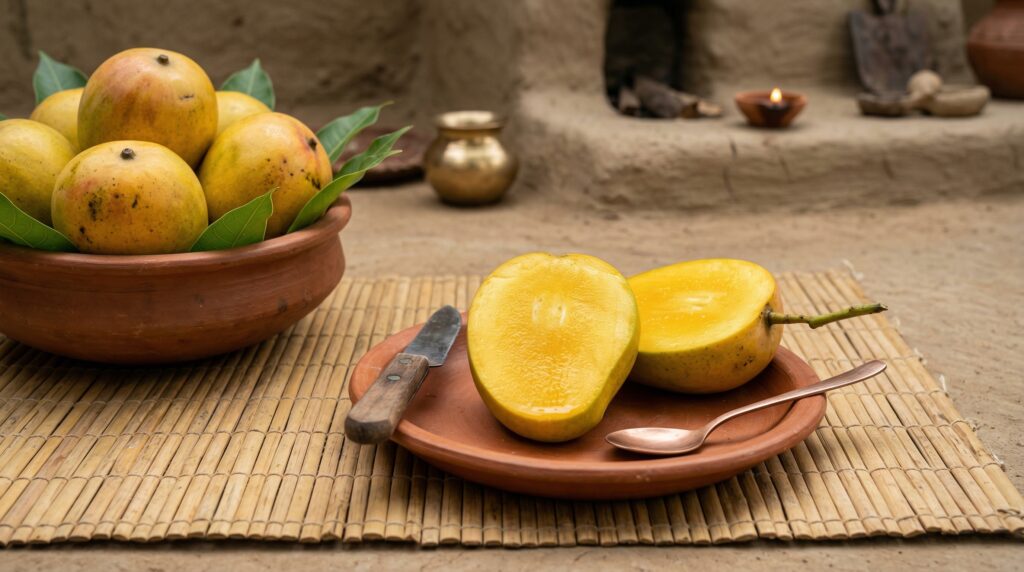
Finally, you’ll discover Malda mangoes from Bihar, renowned for their completely fiber-free flesh and intoxicating sweet aroma. When selecting Malda mangoes, you’ll notice their fragrant scent even before cutting into them. The absence of fibers makes these mangoes exceptionally smooth, perfect for juicing and creating silky beverages that showcase the pure mango flavor without any textural interruptions.
Firm-Fleshed Varieties Best for Cooking and Processing
Totapuri – Karnataka’s Parrot-Beaked Mango for Pickles and Curries
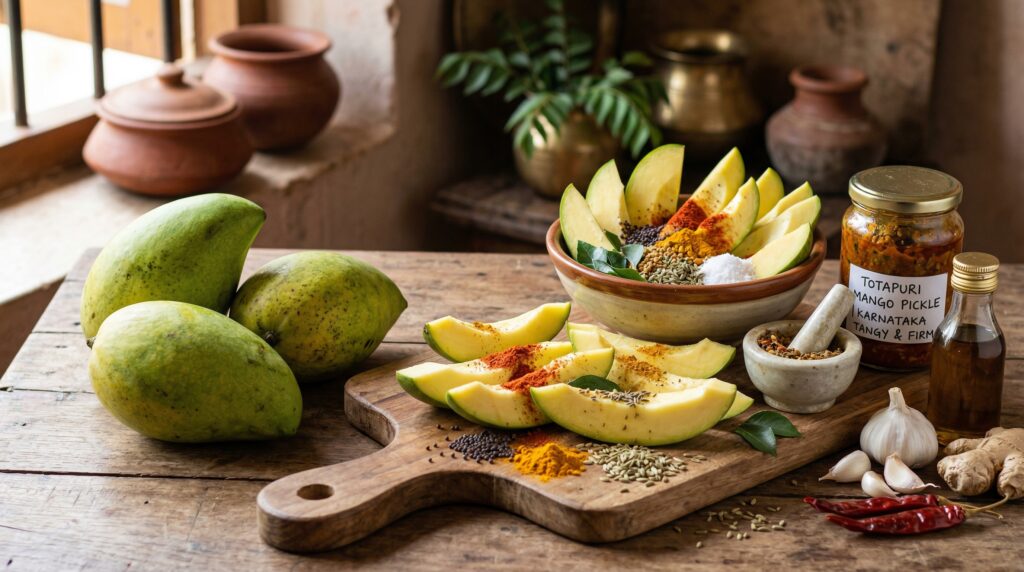
When you’re looking for firm-fleshed mango varieties that excel in cooking applications, Totapuri stands out as Karnataka’s premier choice for traditional preparations. This distinctive mango gets its name from its unique parrot-beak shape, making it easily recognizable in local markets. You’ll find that Totapuri’s firm texture makes it ideal for pickles, curries, and various processed mango products where maintaining structure is essential.
The variety’s robust flesh holds up exceptionally well during cooking processes, whether you’re preparing traditional South Indian mango curry or creating homemade pickles. Unlike softer varieties that break down when heated, Totapuri maintains its integrity, providing satisfying chunks in your dishes. You can slice this mango easily for cooking applications, and its slightly tangy flavor profile complements spicy preparations perfectly.
Malgoa – South India’s Large Oval Mango for Slicing
Moving to another excellent cooking variety, Malgoa offers you a large, oval-shaped mango that’s perfect for slicing applications. This South Indian specialty provides substantial fruit size, making it economical for bulk cooking preparations. You’ll appreciate how cleanly Malgoa slices, creating uniform pieces that work beautifully in both sweet and savory dishes.
The firm flesh of Malgoa makes it particularly suitable for dishes where you want distinct mango pieces to remain visible and intact. Whether you’re preparing mango slaw, adding chunks to rice dishes, or creating layered desserts, this variety delivers consistent results. Its size advantage means you can process larger quantities efficiently, making it a favorite among commercial food processors and home cooks preparing meals for larger groups.
Banginapalli – Andhra Pradesh’s Smooth-Skinned Giant
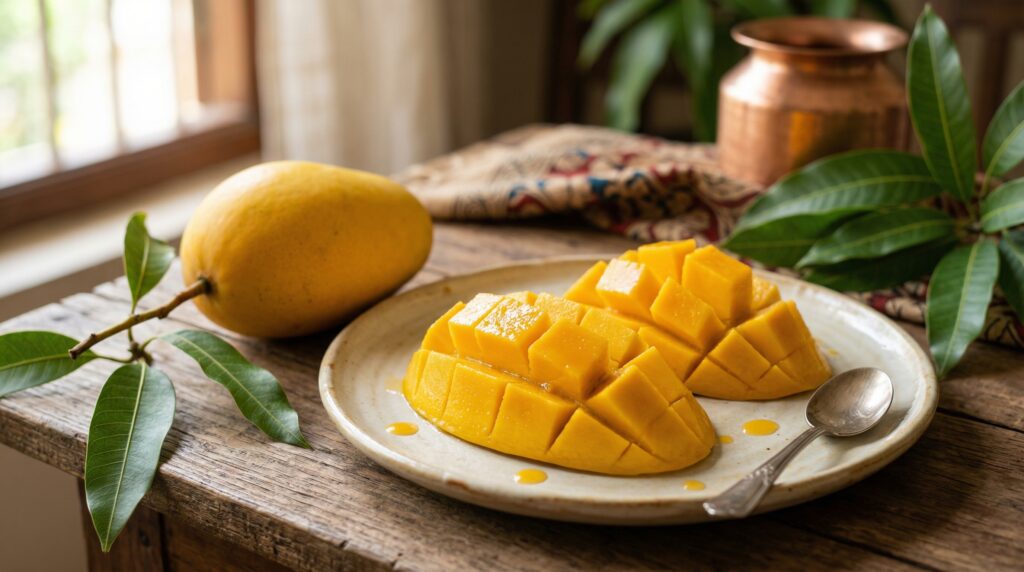
From Andhra Pradesh comes Banginapalli, a smooth-skinned giant that combines substantial size with excellent cooking properties. You’ll notice its remarkably smooth exterior, which makes peeling and processing easier compared to varieties with textured skins. This large mango variety provides excellent yield, giving you more fruit per piece for your cooking needs.
Banginapalli’s firm texture works exceptionally well in preparations where you need the mango to hold its shape. When you’re making mango-based chutneys, adding fruit to grain salads, or preparing compressed mango dishes, this variety delivers reliable performance. The smooth skin also makes it easier to work with when you’re processing large quantities for meal preparation or food processing applications.
Badami – Karnataka’s Golden Alphonso Alternative
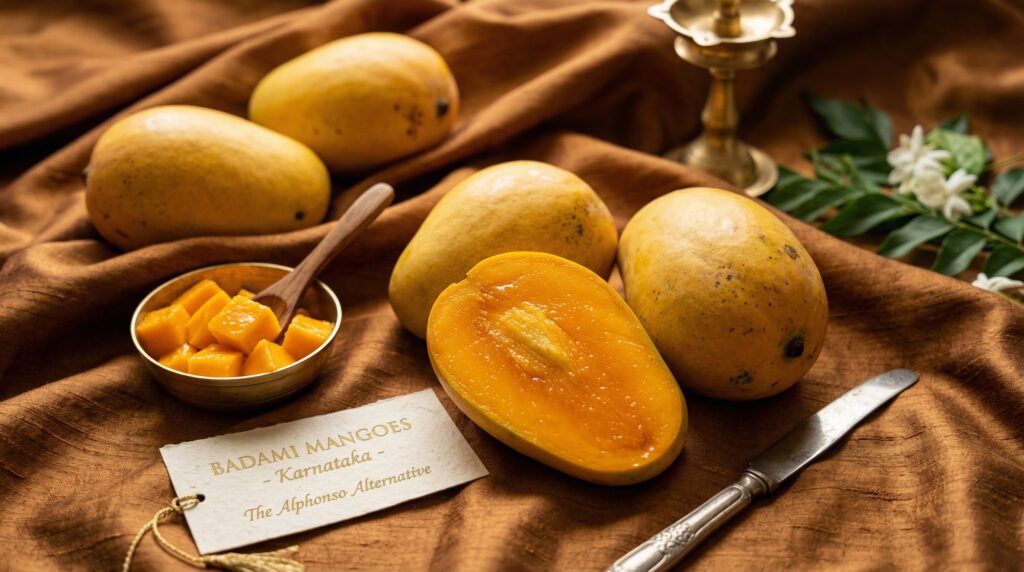
Finally, Badami presents itself as Karnataka’s premium alternative to the famous Alphonso, offering you a golden-colored mango with superior cooking characteristics. While maintaining some of the aromatic qualities associated with premium varieties, Badami’s firmer flesh makes it more versatile for cooking applications than its softer counterparts.
You’ll find that Badami strikes an excellent balance between flavor and functionality in the kitchen. Its golden color adds visual appeal to dishes, while its firm texture ensures it won’t turn mushy in cooked preparations. This variety works particularly well in upside-down cakes, fruit-based barbecue sauces, and grilled applications where you want the mango to maintain structure while developing caramelized flavors.
Regional Specialties with Unique Characteristics
Sindhura – The Red-Blushed Beauty Perfect for Shakes
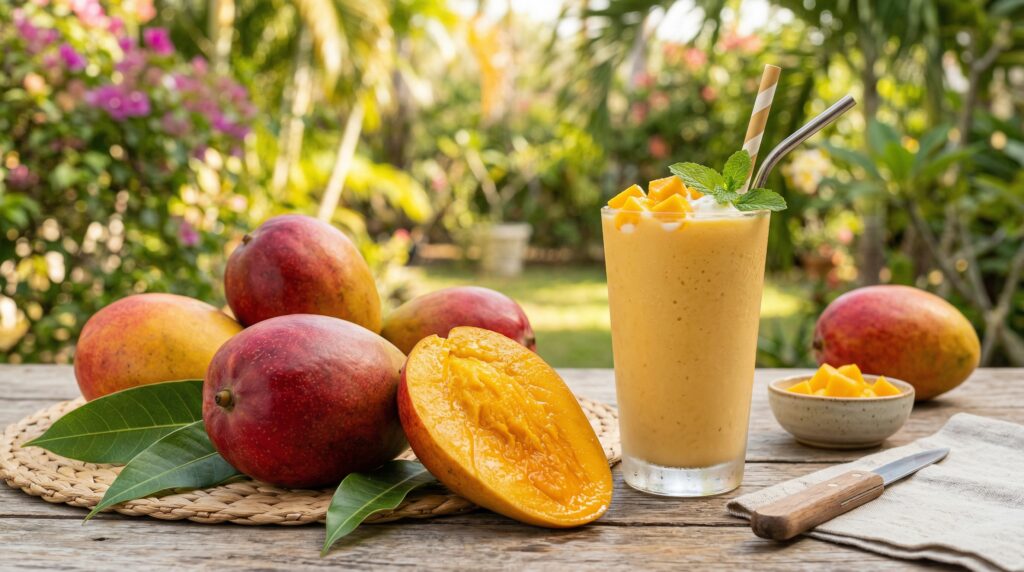
Now that we’ve covered the premium and tangy-sweet varieties, you’ll discover some truly unique regional mango specialties that showcase India’s incredible diversity in mango cultivation. Starting with the stunning Sindhura mango, you’re looking at one of India’s most visually striking varieties with its distinctive red blush that gives this mango its characteristic beauty.
When you encounter a Sindhura mango, you’ll immediately notice its medium to large size and the gorgeous red-orange blush that covers much of its skin, making it stand out among other Indian mango varieties. The flesh inside offers a perfect balance of sweetness and creaminess that makes it exceptionally well-suited for beverages, particularly the thick, refreshing mango shakes that are so popular during India’s sweltering summer months.
Your experience with Sindhura mangoes will be enhanced by their naturally smooth, non-fibrous texture that blends effortlessly into creamy drinks. This quality makes them a preferred choice for lassi preparations and mango smoothies, where you want that silky consistency without any stringy fibers interfering with the drinking experience.
Raspuri – Karnataka’s Queen Mango for Yogurt Preparations
Moving south to Karnataka, you’ll find the celebrated Raspuri mango, often referred to as Karnataka’s queen among regional mango specialties. This variety holds a special place in South Indian cuisine and culture, particularly when you’re preparing traditional yogurt-based dishes and desserts.
When you select a Raspuri mango, you’re choosing a fruit known for its exceptional sweetness and aromatic qualities that complement dairy products beautifully. The flesh is tender and virtually fiber-free, making it ideal for your yogurt preparations, mango shrikhand, and other traditional South Indian desserts where smooth texture is crucial.
Your culinary adventures with Raspuri mangoes will reveal why they’re so prized in Karnataka’s kitchens. The variety’s natural affinity for dairy makes it perfect when you’re creating mango lassi, yogurt-based drinks, or incorporating fresh mango pulp into traditional sweets. The balanced sweetness ensures that your preparations won’t become overly sugary while still delivering that rich mango flavor.
Pairi – Gujarat’s Early Season Reddish Variety for Aamras
With this in mind, you’ll want to explore Gujarat’s contribution to premium Indian mangoes – the Pairi variety, which stands out as one of the earliest mangoes to ripen in the season. When you’re eagerly awaiting the first mangoes of summer, Pairi delivers with its distinctive reddish skin and exceptional suitability for making aamras, Gujarat’s beloved mango puree.
Your introduction to Pairi mangoes will reveal their moderate size and the attractive reddish tinge that develops as they ripen. This early-season variety ensures that you can start enjoying fresh mango preparations weeks before other varieties are ready for harvest, making it a treasured choice for mango enthusiasts who can’t wait for the peak season.
When you’re preparing traditional aamras with Pairi mangoes, you’ll appreciate their naturally sweet flavor profile and smooth pulp that creates the perfect consistency for this classic Gujarati delicacy. The variety’s balanced sweetness means you won’t need excessive sugar additions, allowing the pure mango flavor to shine through in your preparations. Your aamras made from Pairi mangoes will have that authentic taste that’s been cherished in Gujarati households for generations.
How to Identify and Select Each Mango Variety
Visual Identification Tips for Shape, Color, and Size
When selecting Indian mango varieties, you should understand that color alone doesn’t indicate ripeness or quality. Different mango varieties come in a multitude of colors, shapes, and sizes, making visual identification more complex than simply looking for a specific hue. While ripe mangoes are generally more intensely pigmented than their unripe counterparts, the red coloration that appears on some varieties isn’t a reliable indicator of ripeness.
Your focus should be on learning the characteristic shapes and sizes of each variety. Premium varieties like Alphonso typically have a distinct oval shape, while other regional specialties may present rounder or more elongated forms. The key is becoming familiar with the specific visual characteristics of each variety you encounter during your mango shopping experience.
Aromatic Characteristics That Define Each Variety
Now that we’ve covered visual cues, the aromatic profile becomes your most reliable tool for selecting quality mangoes. You should always check for a sweet, intense aroma emanating from the stem area of ripe mangoes. This fruity fragrance at the stem is one of the most enjoyable and effective ways to choose a fresh mango.
When evaluating aromatic characteristics, remember that unripe mangoes will have no discernible smell, while overripe specimens will emit a sour or fermented odor. The sweet, tropical fragrance you’re seeking indicates optimal ripeness and flavor development in your selected mango varieties.
Texture and Flesh Quality Indicators
Your assessment of texture plays a crucial role in selecting the best mangoes. You should gently squeeze the fruit to evaluate its ripeness level. A perfectly ripe mango will give slightly under gentle pressure and be soft enough to retain an imprint when pressed. Medium-ripe mangoes will feel somewhat firm, while unripe varieties will be very firm to the touch.
Use your experience with similar produce such as peaches and avocados to guide your selection process, as these fruits also become softer as they ripen. Additionally, examine the flesh around the stalk area, which should appear firm and healthy. The stalk itself should protrude outward rather than appearing sunken or damaged.
Seasonal Availability and Peak Ripeness Signs
With this understanding of texture assessment in mind, you should also consider that mango flavor ranges from sour-tart for unripe specimens to naturally sweet for fully ripe ones. This means you can enjoy mangoes at various levels of ripeness depending on your intended culinary use.
During summer 2026, you’ll find that different Indian mango varieties reach their peak at various times throughout the season. Your selection strategy should account for these timing differences, as premium varieties like Kesar and regional specialties each have their optimal harvest windows. Remember that mangoes can be appreciated at all ripeness levels, giving you flexibility in your selection based on when you plan to consume them.
Best Culinary Uses for Each Mango Type
Premium Varieties for Traditional Aamras and Desserts
Now that we’ve covered how to identify and select each mango variety, you’ll want to know which premium varieties work best for traditional Indian desserts. For authentic aamras, you should reach for the sweetest, most aromatic mangoes with minimal fiber content. These premium varieties blend into silky smooth purees that form the backbone of classic Indian sweets.
Your best choices include varieties with naturally high sugar content and creamy textures that break down beautifully when processed. When making traditional desserts like mango kulfi, tres leches cake with mango, or elaborate layered desserts similar to Filipino mango float, you’ll need mangoes that maintain their intense flavor even when combined with dairy and other ingredients.
For upside-down cakes and chiffon pies, premium varieties provide the perfect balance of sweetness and tartness. You can also use these same varieties for creating mango icebox cakes, where the fruit’s natural sweetness complements mascarpone and cream layers beautifully.
Tangy Varieties for Cooling Drinks and Smoothies
Previously mentioned tangy-sweet varieties excel in beverage applications where you need natural acidity to balance richness. For mango lassi, you’ll want varieties that provide enough tartness to cut through the yogurt’s creaminess while still delivering that characteristic mango flavor.
When making frozen margaritas or mango-ginger cocktails with cilantro, slightly tangy mangoes work exceptionally well. The fruit’s natural acidity enhances the drink’s refreshing quality and prevents it from becoming overly sweet. You can also blend these varieties into smoothies with avocado, pineapple, or blackberries, where their tartness adds complexity.
For mangonadas – those popular Mexican frozen drinks – you’ll appreciate how tangy varieties complement the chamoy and tajin seasonings. The fruit’s natural acidity harmonizes with the chile-lime-salt combination, creating that perfect sweet-spicy-tangy balance.
Firm Varieties for Pickles, Chutneys, and Savory Dishes
With this in mind, firm-fleshed varieties serve entirely different culinary purposes. You’ll find these mangoes hold their shape beautifully in cooked applications, making them ideal for savory dishes where you don’t want the fruit to break down completely.
For mango-habanero salsa or spicy mango relishes that accompany grilled salmon, firm varieties maintain their texture while absorbing surrounding flavors. You can dice them for fresh salsas, slaws, and grain salads like mango-cucumber rice salad, where their structure provides pleasant contrast against softer ingredients.
When making mango chutneys or incorporating fruit into marinades for chipotle-mango BBQ chicken, firm varieties won’t dissolve during cooking. They’re also perfect for mango guacamole, where you want distinct fruit pieces that don’t turn the dip mushy.
Raw Mango Applications Across Different Varieties
Raw or unripe mangoes from any variety offer unique culinary opportunities you shouldn’t overlook. Green mangoes provide intense tartness that works wonderfully in Southeast Asian-inspired dishes and Mexican street food preparations.
You can slice raw mangoes for salads where their crisp texture and sour flavor brighten heavier ingredients. They’re essential for certain types of pickles and chutneys where you need that sharp, astringent quality. Raw mangoes also work beautifully when grilled with jalapeños, developing a slight char while maintaining their firm bite.
For ceviche applications like mango salmon ceviche, raw mangoes provide the perfect acidic counterpoint to lime-cured fish. Their tartness enhances the curing process while adding textural interest. You can also incorporate them into grain bowls and vegetable slaws where their acidity acts as a natural dressing component.
With over 1,500 mango varieties grown across India, you now have the knowledge to make informed choices during the summer of 2026. From the premium Alphonso perfect for aamras and desserts to the firm Totapuri ideal for pickles and cooking, each variety offers distinct flavors, textures, and culinary applications. Whether you’re seeking the sweet intensity of Kesar for traditional Gujarati preparations or the tangy-sweet balance of Langra for fresh eating, understanding these characteristics will transform your mango experience.
Don’t treat all mangoes as interchangeable – your culinary results depend on selecting the right variety for each purpose. Visit local markets with confidence, knowing how to identify each variety by their unique appearance, aroma, and seasonal availability. The king of fruits deserves your appreciation in all its magnificent forms, so explore beyond your usual choices and discover the incredible diversity that makes Indian mangoes truly exceptional.
About the Author