

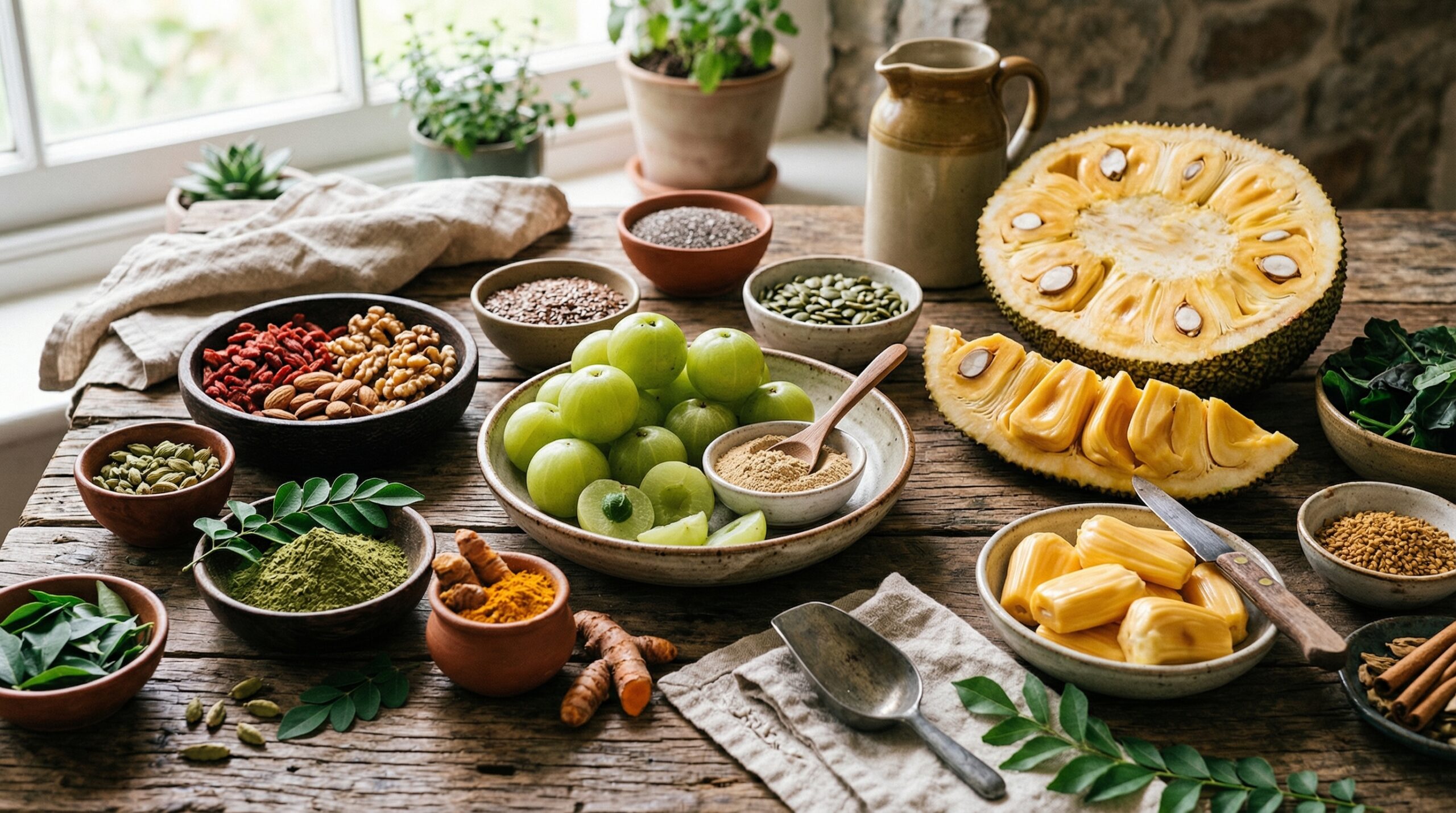
You’ve probably seen quinoa and chia seeds dominating health food aisles, but two powerhouse ingredients from India are quietly taking over the global superfood scene. Indian superfoods like amla and jackfruit are moving from traditional kitchens to international markets, and the timing couldn’t be better.
This shift matters if you’re a health-conscious consumer, food industry professional, or sustainability advocate watching the global superfood market evolve. These aren’t just trendy ingredients – they’re nutritional powerhouses that have fed millions for centuries and now offer solutions to modern dietary challenges.
You’ll discover how the global superfood market revolution is creating unprecedented opportunities for Indian ingredients worldwide. We’ll explore amla’s exceptional health benefits that position it as nature’s ultimate immunity booster, and examine jackfruit’s transformation from local staple to internationally sought-after meat alternative. Finally, you’ll learn about the market forces, government support, and sustainable nutrition benefits driving long-term growth in Indian superfood exports.
The superfood trends 2024 show consumers are moving beyond expensive imports to embrace traditional ingredients with proven track records. Your next superfood discovery might just come from India’s ancient wisdom.
The Global Superfood Market Revolution Driving Indian Ingredients Worldwide
Why Traditional Superfoods Are Replacing Imported Alternatives in 2025
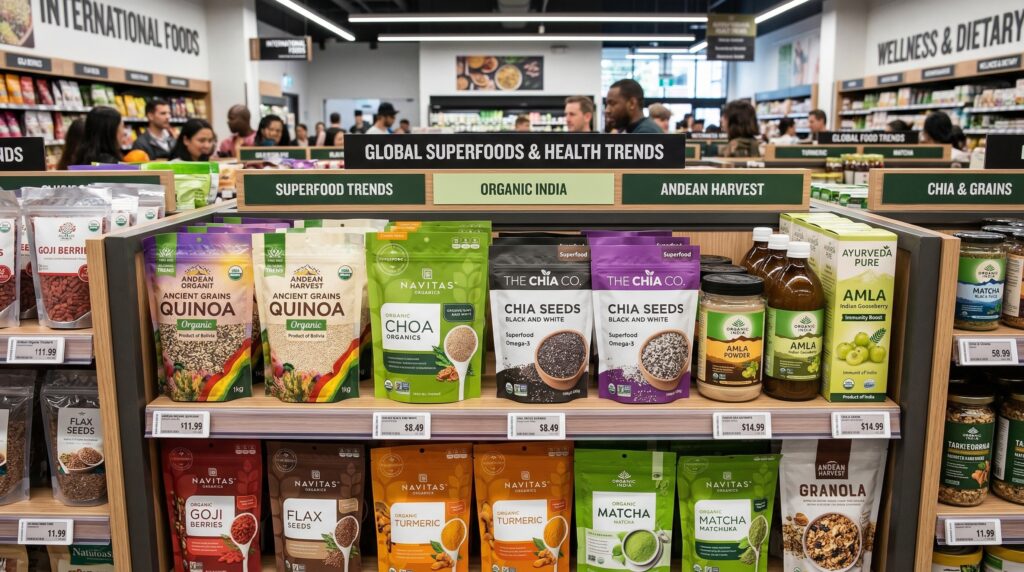
You’re witnessing a remarkable shift as consumers increasingly turn away from expensive imported superfoods toward traditional, locally-sourced alternatives that offer comparable health benefits. The clean label movement is reshaping your food choices, with health-conscious individuals demanding transparency and natural origins in their superfood products. Traditional superfoods are gaining traction because you can access nutrient-dense options without the premium pricing associated with exotic imports, making functional nutrition more accessible to diverse income groups.
India’s Superfood Market Growth from $5.9 Billion to $12.5 Billion by 2033
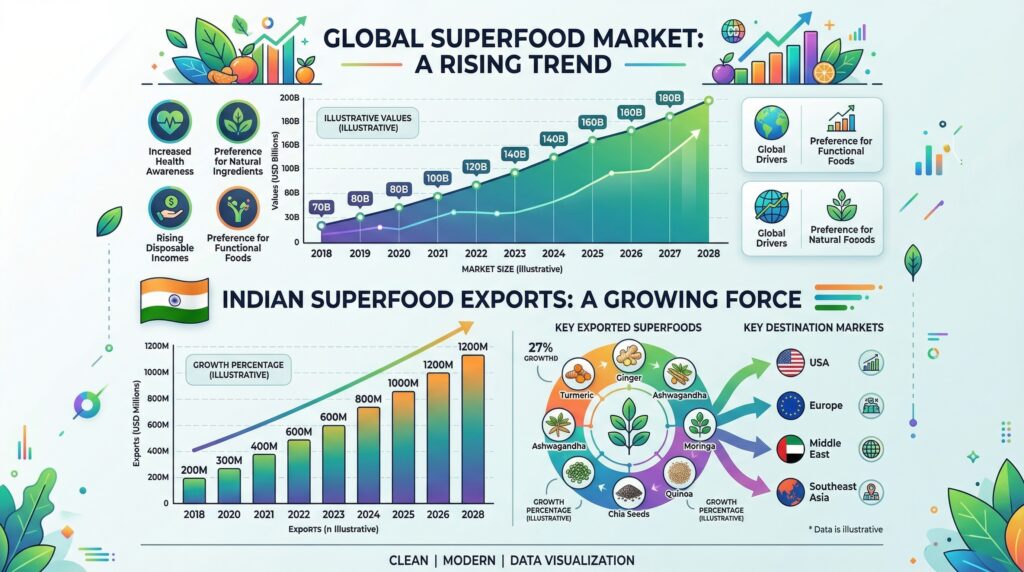
Your awareness of India’s expanding role in the global superfood market becomes crucial as the sector demonstrates exceptional growth potential. The global superfood ingredients market is projected to reach USD 338.6 billion by 2033, exhibiting a CAGR of 7.1%, with Indian superfoods capturing increasing international attention. You’ll find that India’s position as a key player reflects the growing demand for plant-based, nutrient-rich ingredients that support immune health and functional nutrition needs.
Consumer Shift Toward Plant-Based, Nutrient-Dense Local Foods
You’re part of a broader consumer movement prioritizing preventive health through natural, minimally processed foods rich in antioxidants, vitamins, and essential nutrients. This trend particularly resonates with urban millennials who seek products offering immune support, anti-inflammatory benefits, and improved digestion. The expansion of e-commerce platforms enables you to explore diverse superfood options while making informed choices based on scientifically supported health claims rather than exotic marketing appeals.
Amla’s Exceptional Health Benefits Making It a Global Immunity Powerhouse

High Vitamin C Content Supporting Natural Disease Prevention
With its exceptional vitamin C concentration ranging from 193 to 720 mg per 100g of fresh fruit, amla stands out as one of nature’s most potent immunity boosters. You’ll find that a simple 100g serving can provide up to 720mg of vitamin C – significantly surpassing other fruits and easily meeting your daily recommended intake of 75-90mg.
Digestive Health Properties Gaining Recognition Among International Doctors
Your digestive system benefits tremendously from amla’s rich antioxidant profile, including gallic acid, ascorbic acid, and phenolic compounds that support both immune function and digestive health. The fruit’s powerful polyphenols and tannins work together to enhance your body’s natural antioxidant defense system while providing comprehensive digestive support.
Export Opportunities in Global Wellness and Supplement Markets
Now that international health professionals recognize amla’s scientifically-proven benefits, you’re witnessing unprecedented export opportunities in global wellness markets. Clinical trials demonstrating amla’s effectiveness in reducing oxidative stress, improving metabolic health, and supporting cardiovascular function have positioned this Indian superfruit as a premium ingredient in international supplement formulations and functional food products.
Jackfruit’s Transformation from Local Staple to International Meat Alternative

Superior Protein Content Compared to Traditional Fruits
Unlike most fruits that contain little to no protein, jackfruit offers around 1.7 grams of protein per 3.5 ounces (100 grams), making it nearly three times higher in protein than typical fruits. This unique nutritional profile sets jackfruit apart in the fruit category, though you should note that it still won’t provide the same protein levels as meat, fish, nuts, or legumes which offer 9-23 grams per serving.
Meat-Like Texture Creating Plant-Based Food Innovation Opportunities

Your culinary possibilities expand dramatically with jackfruit’s distinctive shredded meat-like texture that perfectly mimics pulled pork or chicken. When you prepare young, green jackfruit, its bland taste and absorbent qualities allow it to take on whatever flavors you pair it with, making it incredibly versatile for BBQ sandwiches, tacos, curries, and countless other plant-based innovations.
Market Forces and Innovation Driving Indian Superfood Exports
Food Processing Industry Creating Modern Forms of Traditional Crops
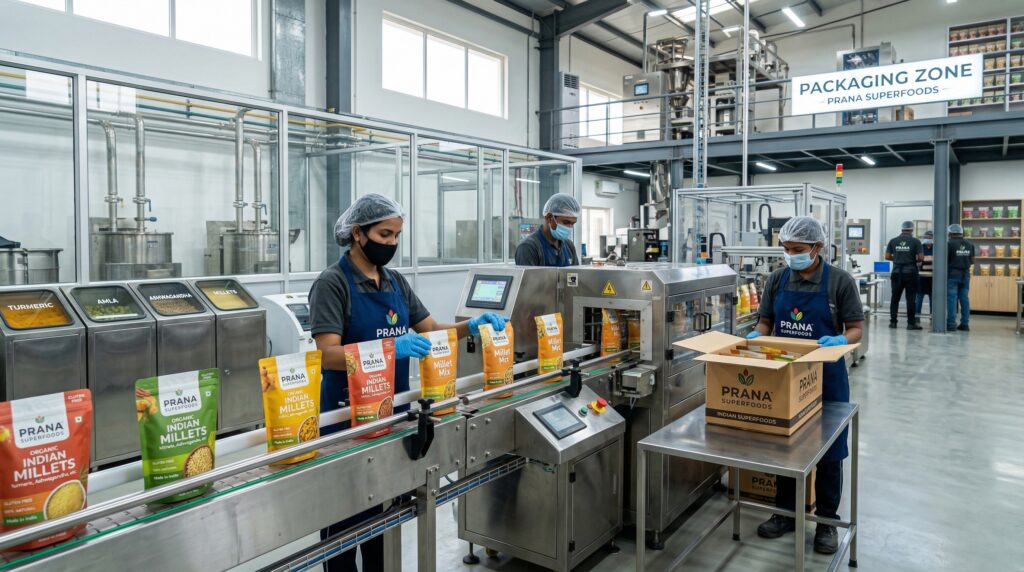
You’re witnessing a remarkable transformation in India’s food processing sector, which now accounts for 7.7% of the country’s total manufacturing GVA and is valued at approximately $160 billion. This industry is successfully converting traditional crops like amla and jackfruit into modern, market-ready formats that appeal to global consumers seeking healthy alternatives.
3,300+ DPIIT-Recognized Startups Transforming Indigenous Ingredients
Your access to innovative superfood products is expanding rapidly through India’s vibrant startup ecosystem. These companies are leveraging cutting-edge technology including AI, IoT, and blockchain to create structured innovation pipelines that respond swiftly to your evolving health-conscious expectations while building strategic branding around globally trending Indian superfoods.
Growing Demand in North America, Europe, and Southeast Asia Markets
With India’s agricultural exports reaching $48 billion in FY24, you’re seeing processed food exports currently valued at $8 billion offer significant headroom for growth in international markets. Your increasing demand for protein-rich, clean-label foods is driving this structural evolution, as Indian companies focus on scaling healthy products and upgrading commodity value chains to establish Indian superfoods as mainstream global phenomena.
Government Initiatives Boosting Superfood Production and Export Potential
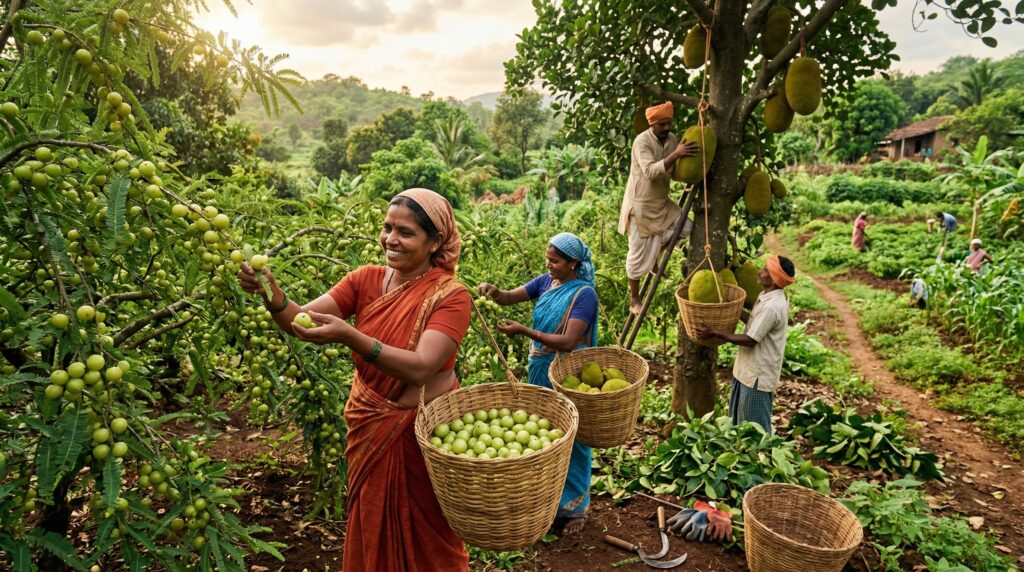
Pradhan Mantri Kisan Sampada Yojana Supporting Food Processing Infrastructure
The government’s strategic focus on agricultural exports has driven initiatives supporting your access to modern infrastructure and innovative machinery for superfood processing. Through APEDA’s Financial Assistance Scheme, you can benefit from three key components: development of export infrastructure, quality development, and market development to enhance your superfood production capabilities.
Paramparagat Krishi Vikas Yojana Promoting Organic Certification
With India’s agriculture export policy emphasizing novel, indigenous, and organic agricultural products, you’re positioned to capitalize on growing global demand for authentic Indian superfoods. The government’s commitment to doubling agricultural exports from US$ 30+ billion to US$ 60+ billion by 2022 creates substantial opportunities for your organic superfood ventures.
Sustainable Nutrition Benefits Creating Long-Term Global Market Opportunities
Climate-Resilient Crops Meeting Environmental Sustainability Goals
When you consider the global shift toward sustainable agriculture, Indian superfoods like amla and jackfruit emerge as climate-resilient crops that thrive in challenging environmental conditions. These hardy plants require minimal water and can withstand temperature extremes, making them ideal for rain-dependent smallholder farmers facing increasingly unpredictable weather patterns due to climate change.
Complete Protein Sources Supporting Vegetarian and Vegan Diets Worldwide
Your growing awareness of plant-based nutrition aligns perfectly with jackfruit’s emergence as a complete protein source. This versatile superfood provides essential amino acids while requiring significantly fewer resources than traditional animal proteins, supporting the global transition to vegetarian and vegan diets that reduce environmental impact while meeting nutritional needs.
The global superfood revolution presents an unprecedented opportunity for India to showcase its nutritional treasures on the world stage. With the superfoods market projected to reach Rs. 1,10,950 crore (US$ 12.5 billion) by 2033, amla and jackfruit are perfectly positioned to capitalize on the growing demand for plant-based, nutrient-dense foods. As consumers worldwide shift from imported options to locally-sourced alternatives that offer superior nutritional value, these traditional Indian ingredients are finding their place in international markets across North America, Europe, and Southeast Asia.
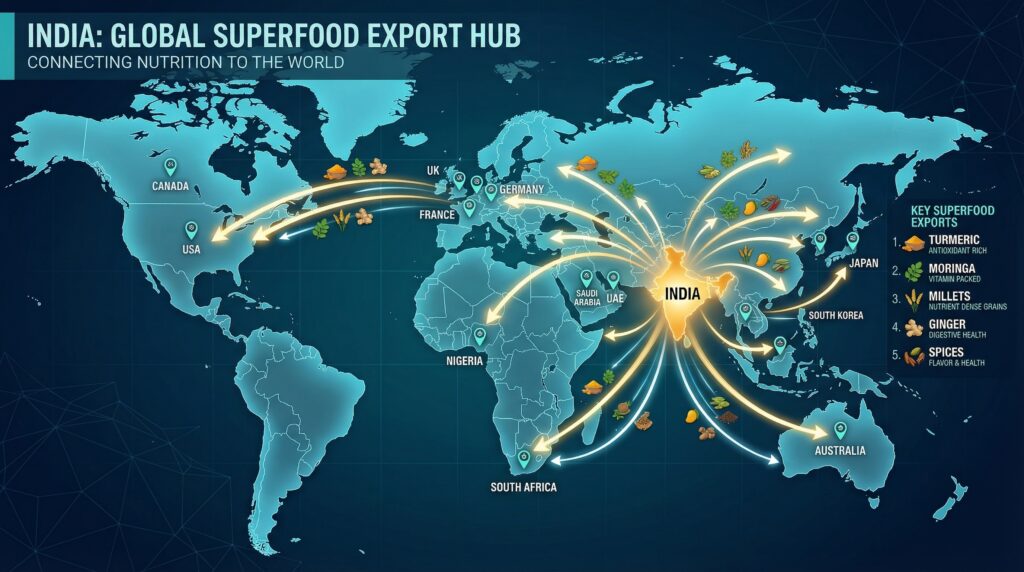
Government initiatives like PMKSY and PKVY, combined with innovative food processing startups, are creating the infrastructure needed to transform these ancient crops into modern, convenient products that meet global standards. Whether you’re a health-conscious consumer, farmer, or entrepreneur, now is the time to embrace these superfoods that offer sustainable nutrition solutions for both people and the planet. The future belongs to foods that combine traditional wisdom with modern convenience, and India’s amla and jackfruit are leading this transformative journey from local staples to global nutrition powerhouses.
About the Author